Terrace Houses Ephesus | Inside the Luxury Homes of Ancient Rome
Terrace Houses Ephesus
The Terrace Houses in Ephesus offer one of the most extraordinary glimpses into private Roman life in the ancient world.
Hidden on the slopes of Bulbul Mountain within the ancient city of Ephesus lies one of the most fascinating archaeological discoveries in Turkey; the Terrace Houses of Ephesus.
Often called the ”house of the rich”, these extraordinary residences provide a rare opportunity to step directly into the private world of wealthy Romans who once lived in pne of the greatest cities of antiquity.
While monuments such as the Library of Celsus and the Great Theatre of Ephesus reveal the public grandeur pf Ephesus, the Terrace Houses tell a more personal story; one of family life, luxury, art, technology and social status.
Today, Terrace Houses remain among the most impressice and best preserved residential complexes from the Roman world.
What Are the Terrace Houses?
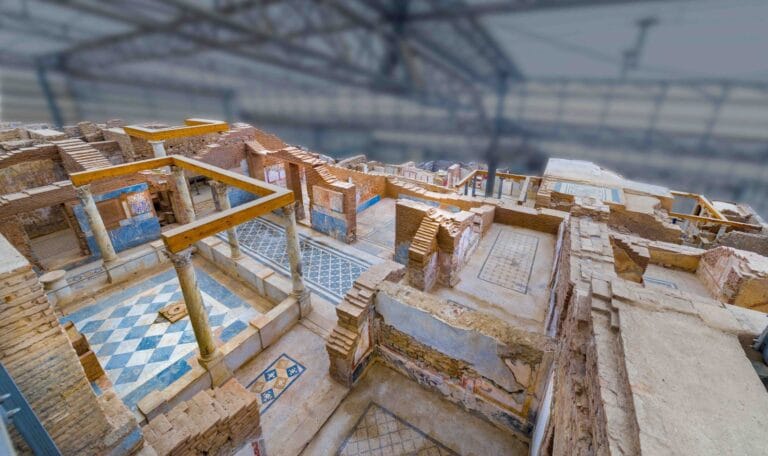
The Terrace Houses are a residential complex consisting of luxurious Roman homes built on terraces along the northern slopes of Bulbul Mountain in Ephesus Ancient City.
The houses date primarily between the 1st century AD and the 3rd century AD and belonged to the elite citizens of Ephesus, including wealthy merchants, politicians, administrators and influential families.
Archaeologists have identified seven separate residential units within the complex. Many of these homes were continuously modified, expanded and renovated over several centuries until Ephesus was eventually abandoned.
Before the Roman period, the area served as a burial ground during the Hellenistic era. Later, as Ephesus prospered under Roman rule, the hillside was transformed into one of the city’s most prestigious residential districts.
A Glimpse into Daily Life in Ancient Ephesus
One of the most remarkable aspects of the Terrace Houses is how vividly they reveal daily life in ancient EPhesus.
Unlike temples, theaters or agoras built for public gatherings, these homes preserve intimate details of private Roman life. Visitors can see bedrooms, reception halls, kitchens, dining rooms, courtyards, baths and even toilets.
The layout of the houses reflects the Roman understanding of comfort and social hierarchy. Most residences were organised around central courtyards that provide natural light, ventilation and private gathering spaces for families.
The houses also demostrate how hospitality played a central role in elite Roman culture. Wealthy homeowners entertained guests in beautifully decorated reception halls known as triclinia, where political discussions, business meetings and luxurious banquets took place.
Roman Luxury and Advanced Engineering
The Terrace Houses were far ahead of their time in terms of comfort and engineering.
Many homes contained:
- Running water
- Indoor toilets
- Private baths
- Sophisticayed drainage systeös
- Heated floors using hypocaust technology
- Decorative fountains
- Multi-story architecture
The hypocaust system functioned similarly to modern central heating. Warm air circulated beneath the floors and inside the walls, heating different parts of the house during colder months.
Water was supplied through advanced pipelines connected to wells and reservoirs. Some houses even had marble-covered water wells and carefully designed sewage systems connected to the city’s infrastructure.
These technological innovations demonstrate the extraordinary level of urban sophistication achieved in Roman Ephesus.
Frescoes, Mosaics and Artistic Decoration
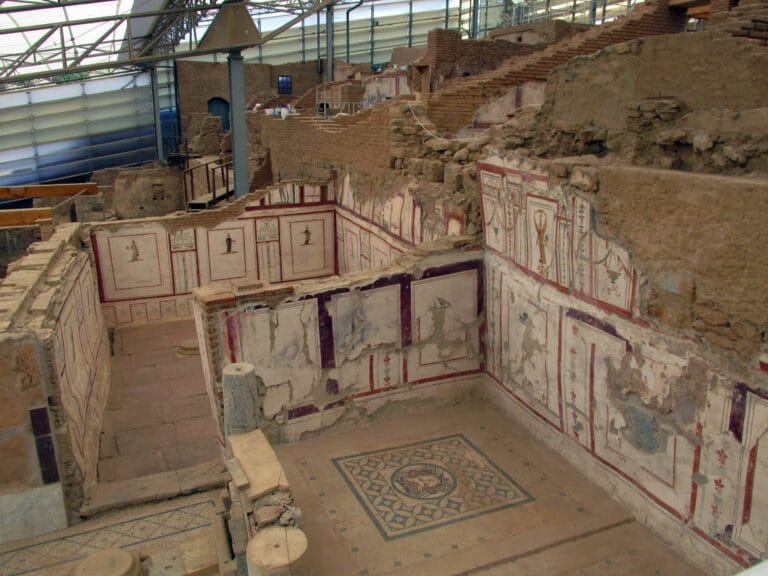
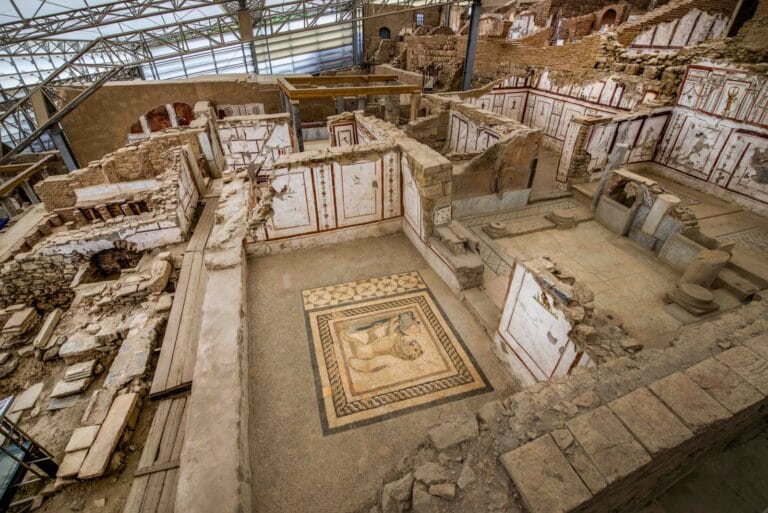
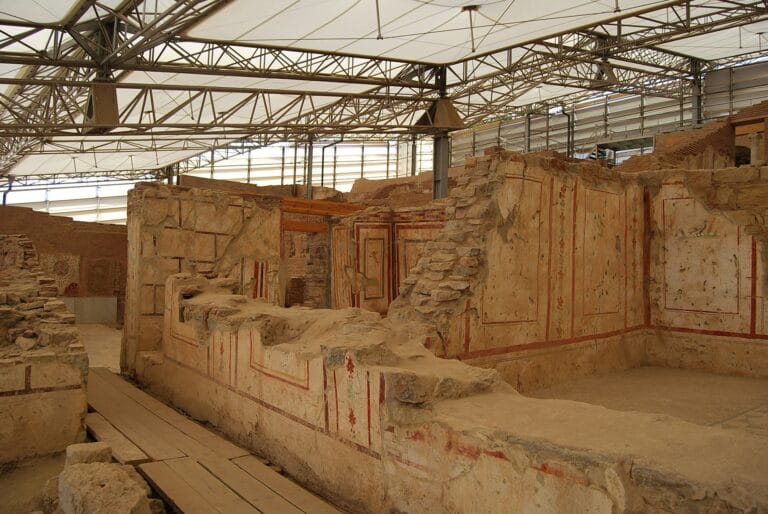
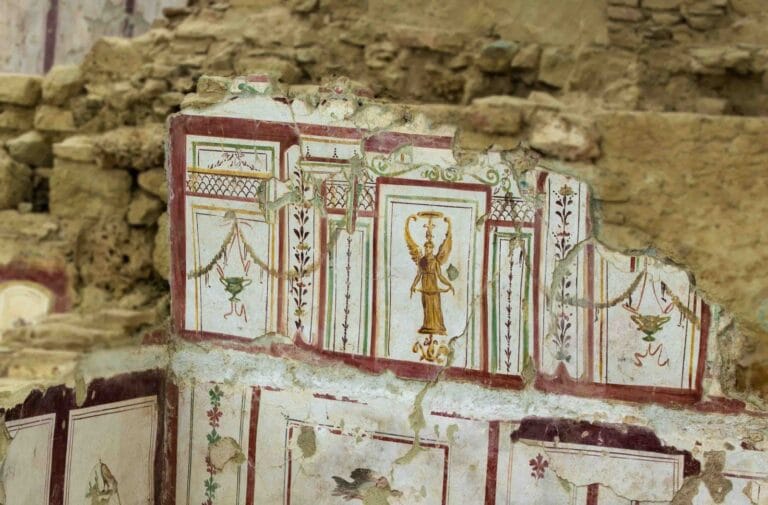
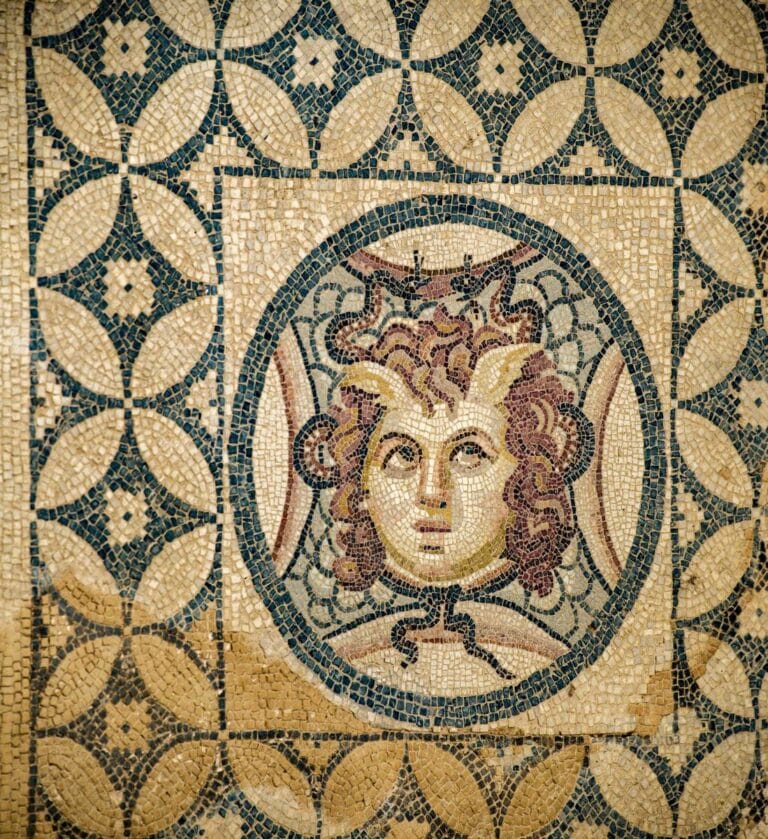
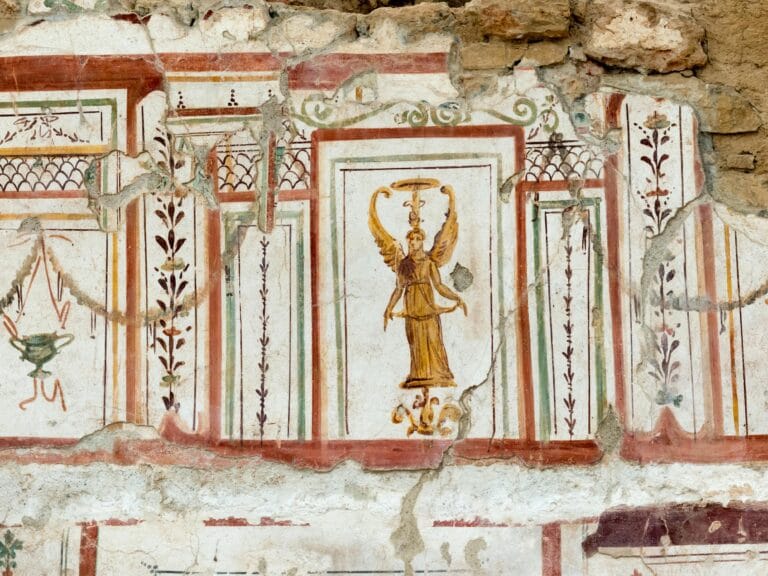
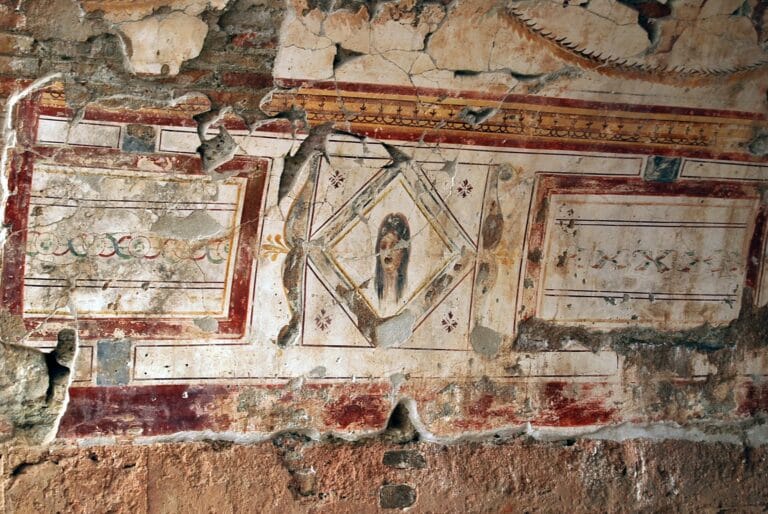
The artistic decoration inside the Terrace Houses is among the finest discovered anywhere in the Roman world.
The walls were covered with colorful frescoes depicting:
- Mythological scenes
- Landscapes
- Architectural illusions
- Floral motifs
- Geometric patterns
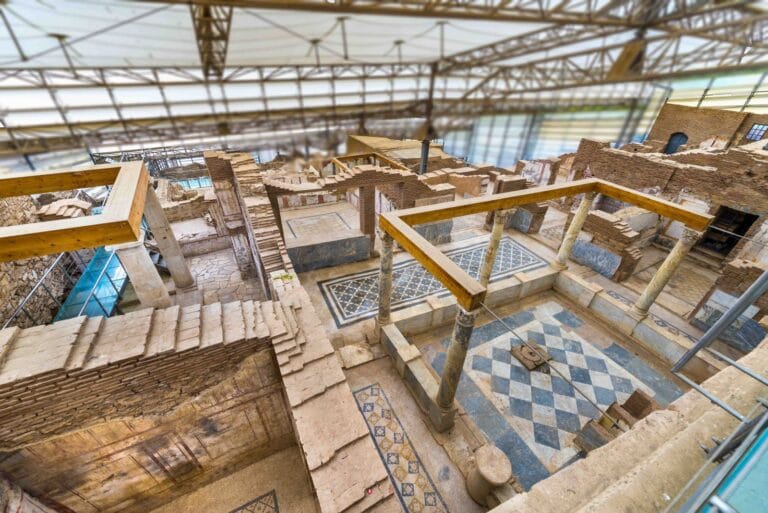
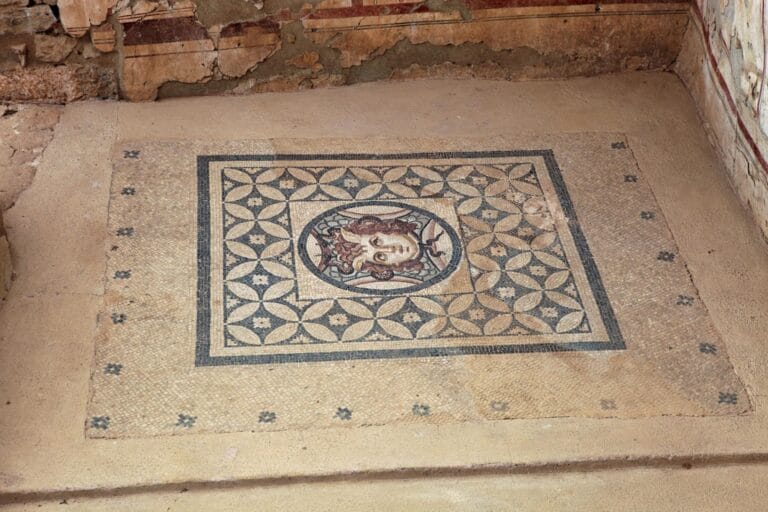
The mosaic floors are equally impressive. Many remain exceptionally well preserved and display animals, theatrical imagery, daily life scenes and symbolic mythological decorations.
Imported marble panels, luxury ceramics, bronze decorations and fine furniture further reflected the wealth and cosmopolitan culture of Ephesus.
Walking through the modern protective walkways above the houses allows visitors to admire these details up close while preserving the fragile remains beneath.
Discoveries During Excavations
Excavations at the Terrace Houses began in the 1960s and continue today.
Archaeologists uncovered an extraordinary collection of objects that provide insight into the lives of the ancient residents, including:
- Marble statues and busts
- Portraits of emperors and philosophers
- Jewelry
- Glassware
- Bronze decorations
- Perfume bottles
- Medical instruments
- Cosmetic tools
- Lamps
- Toys and household objects
These discoveries help historians better understand Roman domestic life, trade, fashion, medicine and cultural identity in Ephesus.
Many of these artifacts are now displayed at the nearby Ephesus Museum.
Architecture of the Terrace Houses
The Terrace Houses were built according to the Hippodamian city planning system introduced during the Hellenistic period.
This urban layout featured staright streets intersecting at right angles, creating organised residential blocks throughout Ephesus.
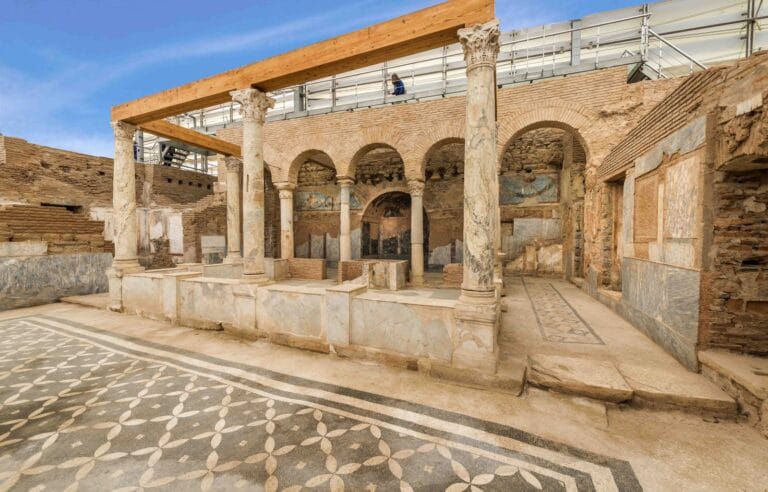
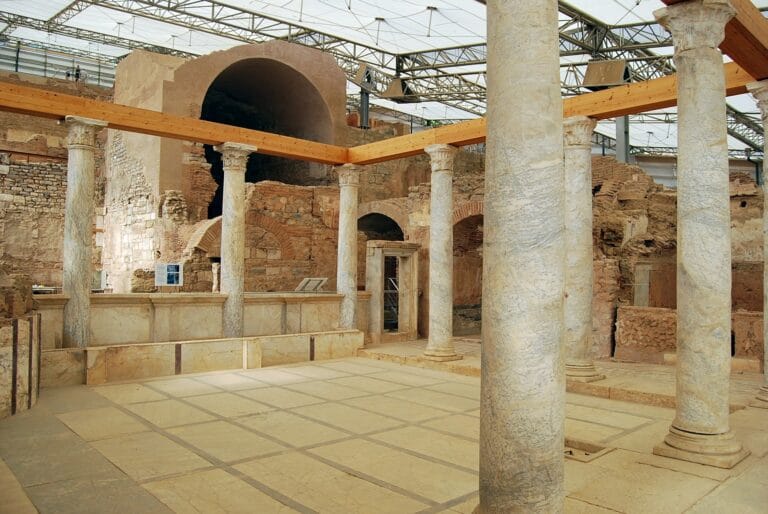
The houses themselves followed the tradiiton of peristyle architecture, centered around open courtyards surrounded by columns and rooms.
Some residences contained two or even three stories. Lower floors were typically used for social activities and daily living, while upper floors served as private sleeping quarters.
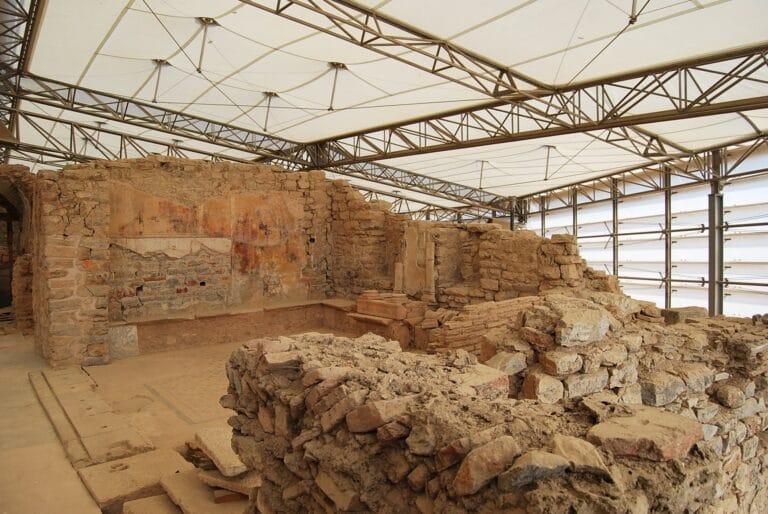
Despite their age, many structural elements survive remarkably well, including:
- Staircases
- Marble floors
- Wall paintings
- Courtyards
- Decorative columns
- Heating systems
- Water channels
The architectural complexity of the Terrace Houses makes them one of the most important residential archaeological sites in the Mediterranean world.
Why the Terrace Houses Matter
The Terrace Houses are important because they preserve a side of antiquity rarely visible at archaeological sites: ordinary private life among the wealthy classes.
Public monumnets often focus on emperors, politics or religion. The Terrace Houses instead reveal:
- Family relationships
- Interior decoration styles
- Social customs
- Roman technology
- Domestic architecture
- Everyday luxury
For many visitors, the Terrace Houses become one of the most memorable parts of exploring Ephesus because they create a direct human connection with the ancient past.
Visiting the Terrace Houses in Ephesus
The Terrace Houses are located inside Ephesus Ancient City and require a separate entrance ticket in addition to the main Ephesus admission.
The complex is protected by a large modern roof structure designed to preserve the delicate frescoes and mosaics from weather damage.
Visitors walk through elevated flass and metal pathways, allowing close observation of the archaeological remains without harming them.
Because access is controlled and the atmosphere is quiter than the main streets of Ephesus, the Terrace Houses offer a more immersive and reflective experience.
Guided tours are highly recommended, as many fascinating details can easily be overlooked without historical explanation.
Conclusion
The Terrace Houses in Ephesus offer one of the most extraordinary windows into Roman domestic life anywhere in the ancient world.
From heated floors and elaborate mosaics to colorful frescoes and marble courtyards, these homes reveal the sophistication and elegance enjoyed by the wealthy citizens of ancient Ephesus.
For travelers interested in archaeology, Roman history, architecture and daily life in antiquity, visiting the Terrace Houses is an unforgettable experience and one of the true highlights of Ephesus.