What did Romans eat in Ephesus? 9 Surprising Ancient Foods
Many visitors visiting Turkey ask what did Romans eat in Ephesus during the Roman period. Food tells the story of a civilization and in Ancient Ephesus, meals reflected wealth, status, religion and daily life. Long before modern restaurants filled the streets of Selcuk, the people of Ephesus gathered around tables shaped by Greek traditions, Roman influence and the rich agricultural lands of the Aegean.
If you have ever wondered what Romans ate in Ephesus, the answer may surprise you.
Bread and Grain Were Daily Essentials
For most people, bread was the foundation of every meal. Barley and wheat were widely used, often turned into porridge or thick mixtures similar to ancient cereals.
Simple grain dishes fed workers, traders and families throughout the city.
Olive Oil Was the Liquid Gold of Ephesus
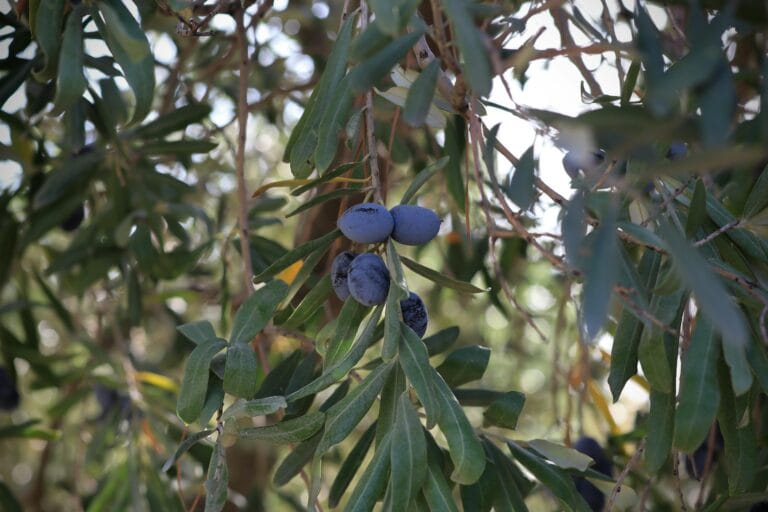
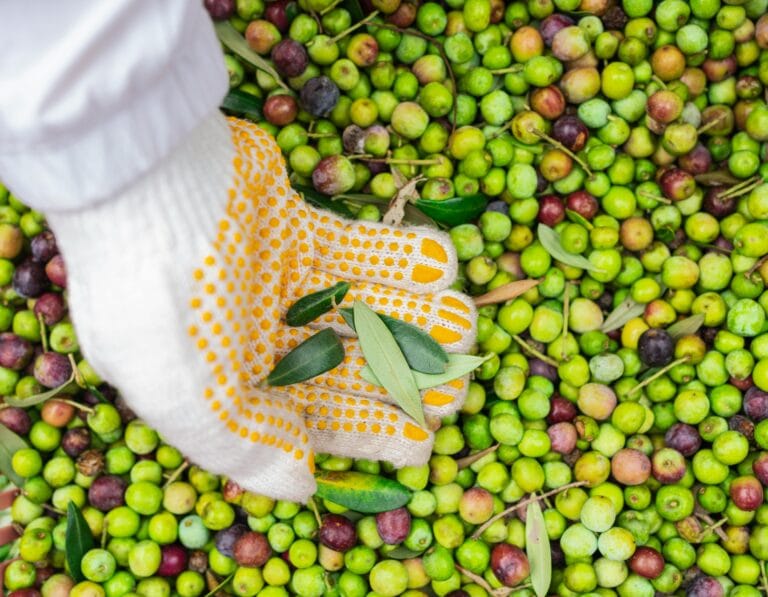
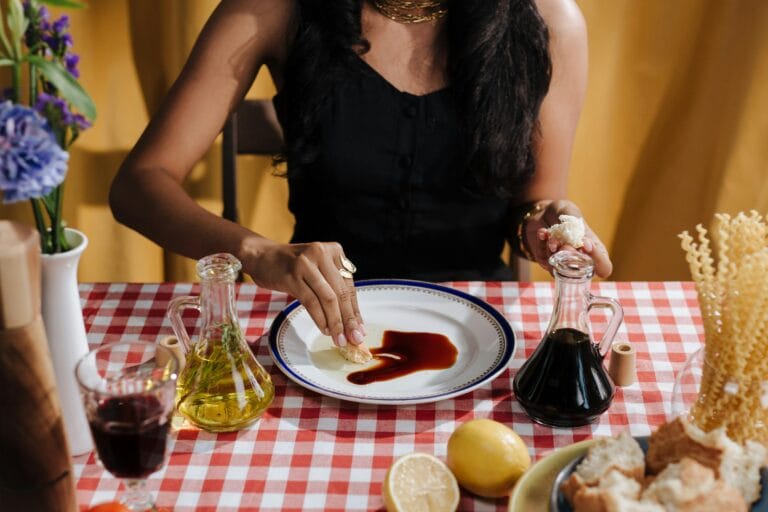
To understand what did Romans eat in Ephesus ,olive oil is one of the most important clues.
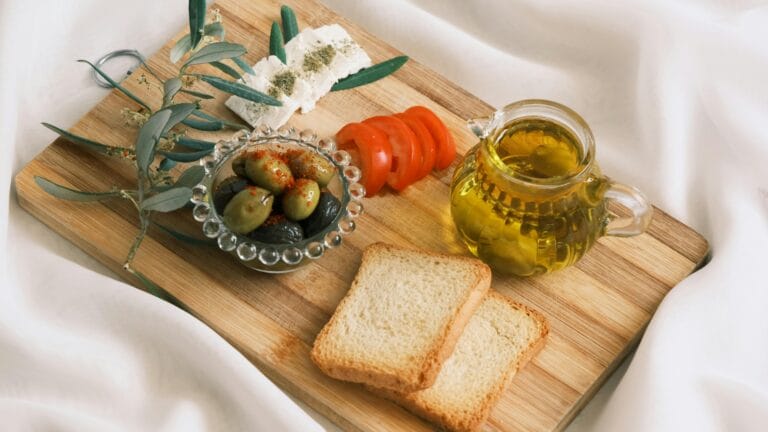
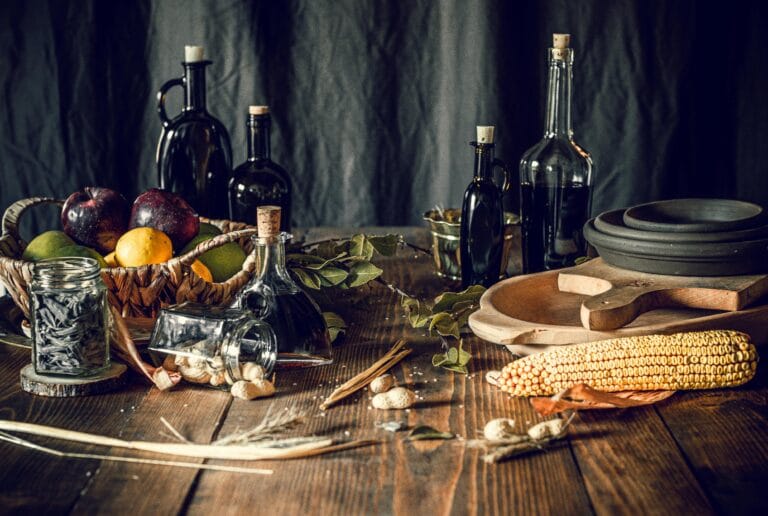
Just as today, olive oil played a central role in Ephesian cuisine. It was used for cooking, preserving vegetables, flavoring dishes and even for lamps and cosmetics.
The fertile lands around western Anatolia made oliva oil one of the city’s most valuable products.
Onion, Garlic and Herbs Were Everyday Flavors
Ancient kitchen relied heavily on onions, garlic, dill, mint and local herbs. These ingredients added flavor to otherwise simple meals and remain common in Aegean cooking today.
Fish Was Popular Thanks to the Harbor
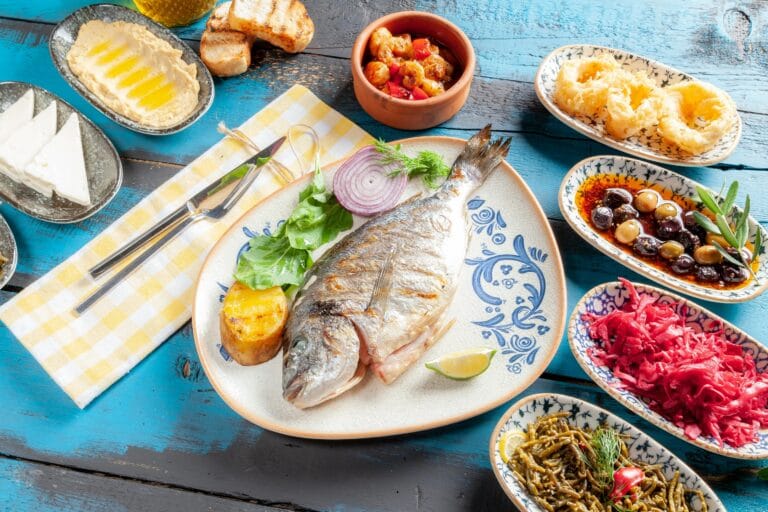
Ephesus was once a thriving port city, so seafood was common. Fresh fish, salted fish and sellfish were sold in local markets and enjoyed by many households.
Its access to trade routes also introduced new ingredients from across the Mediterranean.
Meat Was a Luxury for Many
While wellthy citizens enjoyed pork, lamb, goat, beef and game birds, meat was less common for poorer families.
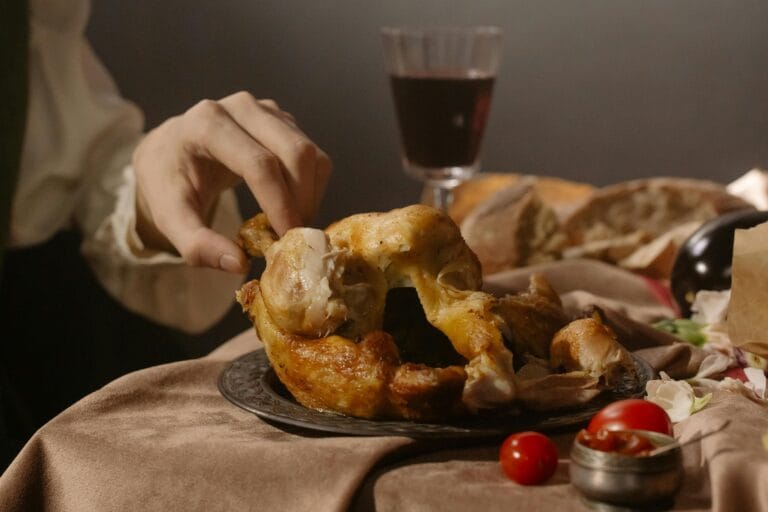
Roman banquets in Ephesus could include elaborate roasted dishes served during celebrations and religious festivals.
Cheese and Milk Were Common Staples
Goat milk and sheep cheese were everyday foods in the region. The products were practical, nourishing and easy to store.
Wine Was Part of Social Life
Wine was widely consumed in Ephesus but unlike modern habits, it was usually mixed with water. Drinking unmixed wine is often considered excessive.
At formal meals, wine also symbolised hospitality and status.
Dining Reflected Social Class
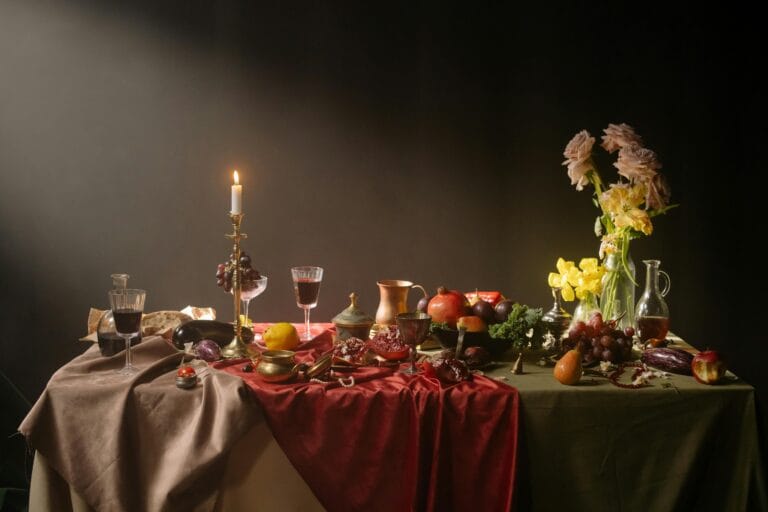
Food in Ephehsus was closely tied to hierarchy. Wealthy families dined in decorated homesi often reclining during meals, while servants and enslaved people ate separately.
The table itself reflected status.
Meals Included Ritual and Culture
Before eating, many people offered thanks to their gods. Meals were not only about hunger, they were moments of family life, politics, business and belief.
In this way, food connected the spiritual and practical worlds of Ancient Ephesus.
What can you taste near Ephesus today?
Although centuries have passed, many flavors still survive in Modern Aegean cuisine near Ephesus and Selcuk.
Try:
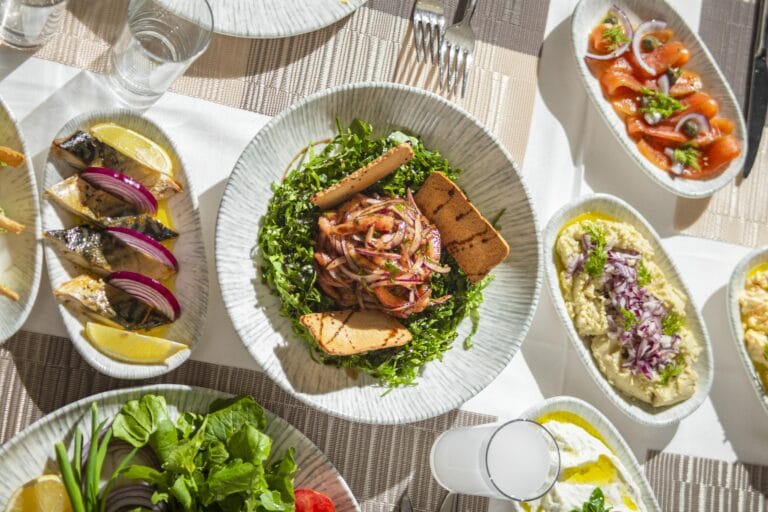
- Olive oil vegetable dishes
- Fresh grilled fish
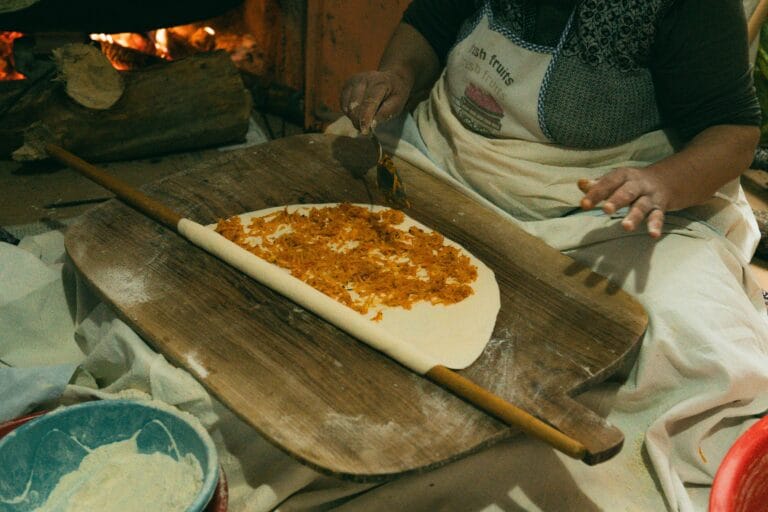
- Gozleme (Turkish pancake)
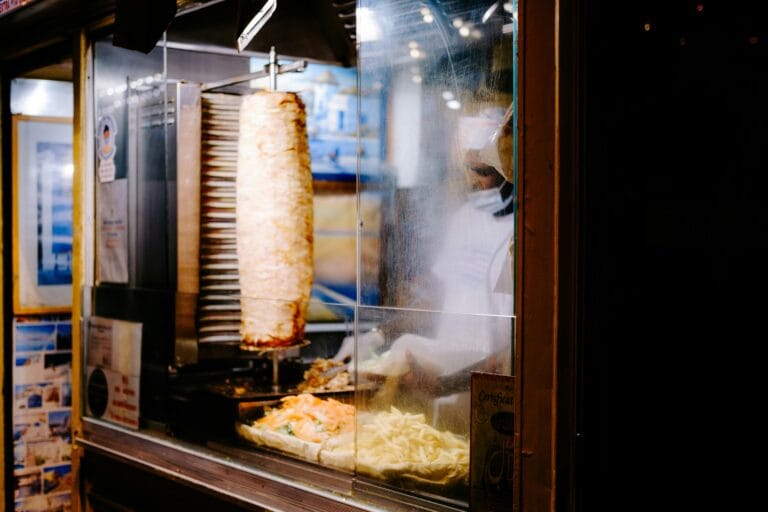
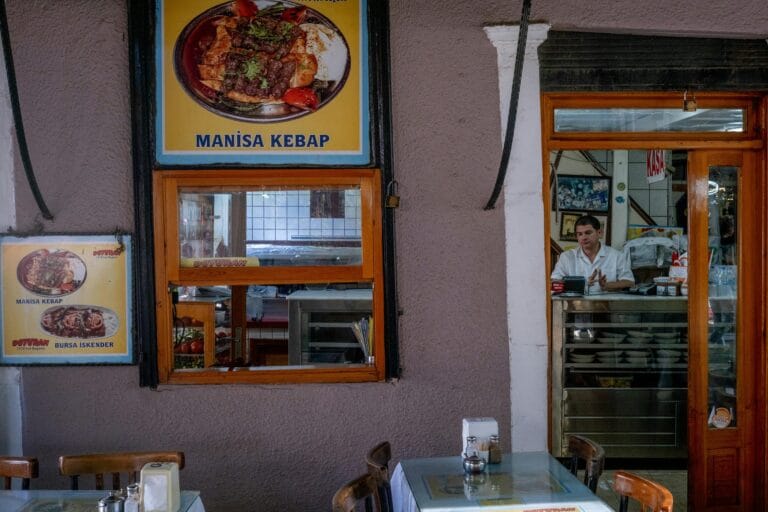
- Local kebaps
- Turkish desserts
- Regional wines
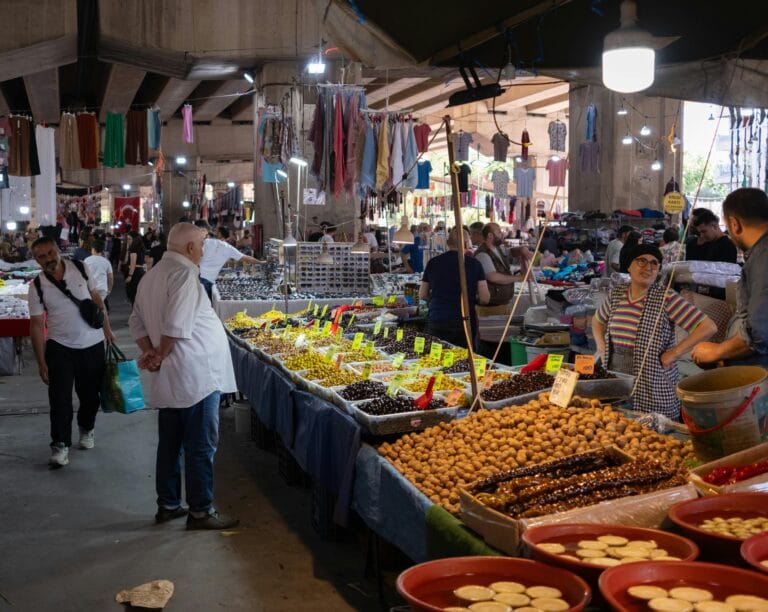
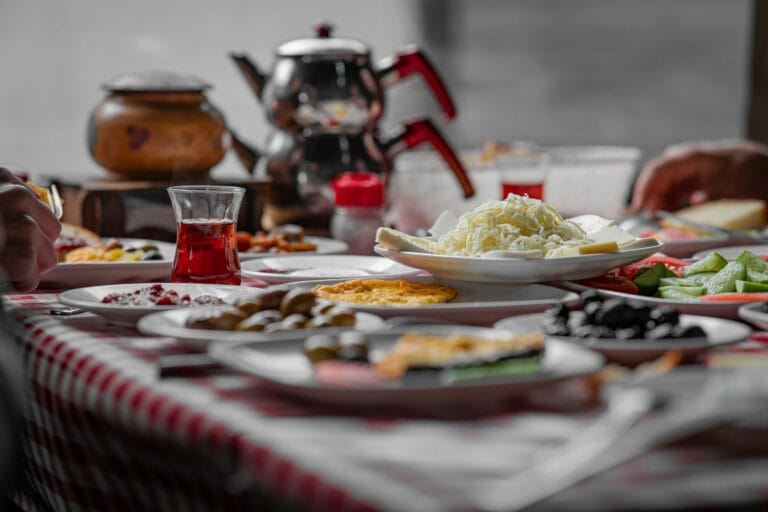
After visiting the ruins, Selcuk offers excellent family-run restaurant, traditional lokantas and local cafes where you can enjoy authentic regional meals.
To understand Ephesus, you should not only look at its emples and marble streets. You should also imagine its kitchen, markets and dining rooms.
Food was part of the soul of the city.
Learning what did Romans eat in Ephesus adds a new layer to your visit. Join our guided tour from Kusadasi, Selcuk or Izmir and let us help you discover not only the monuments of Ephesus, but also the living flavors of the region.
Today, many flavors of ancient Ephesus still survive in the kitchens of Selcuk and the Aegean region, ,where olive oil, herbs, seafood and warm hospitality continue to define local cuisine.