Pergamon Ancient City
About Pergamon Ancient City
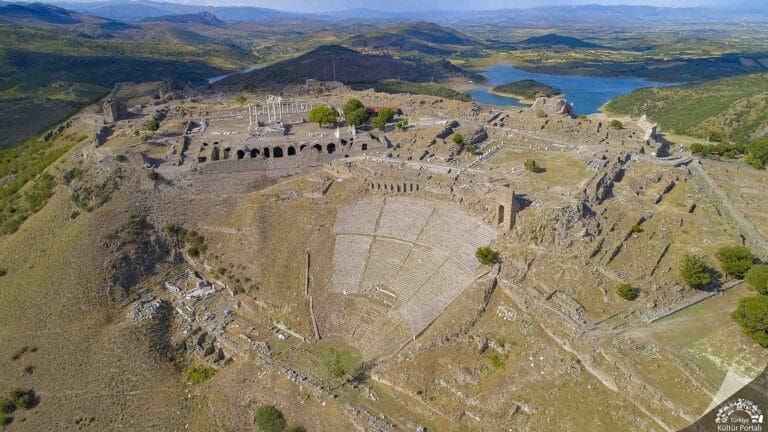
Located in the modern town of Bergama in western Turkey, Pergamon Ancient City was once one of the most powerful cultural, political, and intellectual centers of the ancient world. Rising dramatically above the Bakircay Plain, the ancient city became famous for its monumental acropolis, impressive theaters, royal palaces, temples, and one of antiquity’s greatest libraries.
Today, Pergamon stands as a UNESCO World Heritage Site and one of Turkey’s most important archaeological destinations, offering visitors a unique combination of Hellenistic, Roman, Byzantine, and Ottoman history.
The History of Pergamon Ancient City
Although settlement in the region dates back much earlier, Pergamon reached its golden age during the Hellenistic period under the Attalid Dynasty in the 3rd and 2nd centuries BC.
After the death of Alexander the Great, Pergamon gradually emerged as the capital of the Kingdom of Pergamon and became one of the leading intellectual and artistic centers of the ancient Mediterranean world.
The city gained enormous prestige through:
- its monumental acropolis
- the famous Library of Pergamon
- the Altar of Zeus
- the Asklepion healing center
- advanced urban planning
- scientific and medical achievements
Pergamon later became part of the Roman Empire in 133 BC when King Attalus III bequeathed the kingdom to Rome.
Under Roman rule, the city continued to flourish as one of the most important administrative and cultural centers of Asia Minor.
Pergamon is also one of the Seven Churches of Revelation mentioned in the New Testament, making it an important destination in early Christian history.
The Invention of Parchment
One of Pergamon’s greatest contributions to world civilization was the development of parchment.
According to ancient tradition, during the 2nd century BC, Egypt restricted the export of papyrus in order to limit the growth of Pergamon’s famous library. In response, Pergamon developed a new writing material made from specially treated animal skin known as pergamena chartae, or parchment.
Unlike papyrus, parchment was stronger, more flexible, and far more durable. This innovation transformed the preservation and transmission of knowledge throughout the ancient and medieval world.
The modern word “parchment” itself derives from the name Pergamon.
The Library of Pergamon
The Library of Pergamon was considered one of the greatest libraries of antiquity after Alexandria.
Ancient sources suggest the library contained hundreds of thousands of scrolls and served as a major center of scholarship, philosophy, and scientific study.
Pergamon became a city where knowledge, literature, medicine, and art flourished together under royal patronage.
The Asklepion: One of the First Healing Centers in History
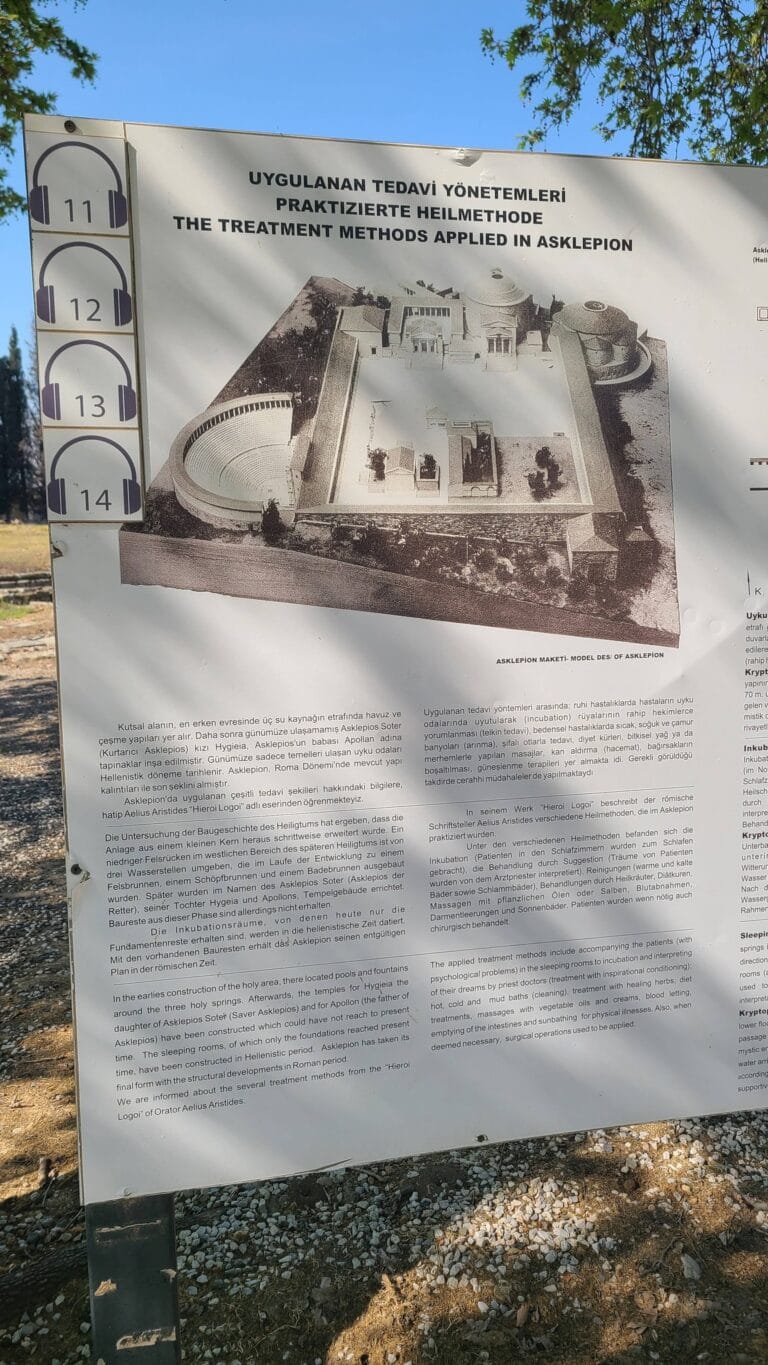
Pergamon was also famous for the Asklepion, one of the most advanced medical centers of the ancient world dedicated to Asklepios, the god of healing.
More than a temple, the Asklepion functioned as an early state-supported health complex where treatments included:
- psychotherapy
- dream interpretation
- music therapy
- herbal medicine
- mud baths
- water therapy
- physical exercise
Because of its holistic healing methods, many historians describe the Asklepion as one of the earliest prototypes of the modern hospital.
Galen of Pergamon
Pergamon was the birthplace of Galen, one of the most influential physicians in medical history.
His studies in anatomy, physiology, surgery, and pharmacology shaped medical science for more than 1,500 years throughout both the Islamic and European worlds.
Galen’s influence on medicine remained dominant until the Renaissance.
The Altar of Zeus
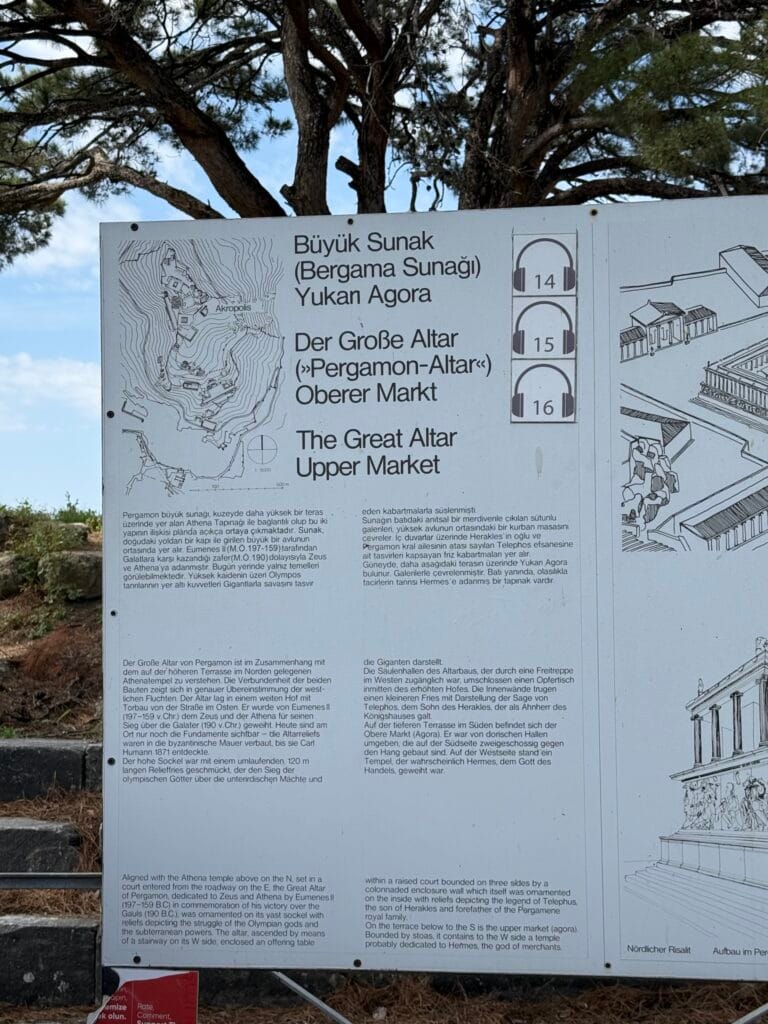
The Altar of Zeus was one of the most magnificent monuments of the Hellenistic world.
More than a religious altar, it functioned as a massive victory monument decorated with dramatic sculptural reliefs representing the Gigantomachy, the mythological battle between the Olympian gods and the Giants.
The enormous frieze displayed extraordinary movement, emotional intensity, and artistic detail, becoming one of the greatest masterpieces of Hellenistic sculpture.
The scenes symbolically represented Pergamon’s victories over the Galatians through mythological imagery.
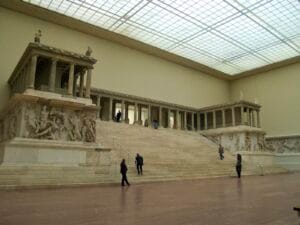
Large sections of the altar were transported to Berlin during the 19th century and are now displayed in the Pergamon Museum.
The Dying Gaul and Pergamene Art
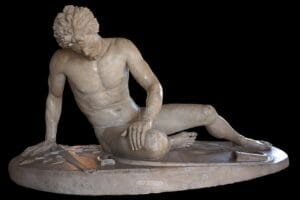
Pergamon also became famous for its emotionally powerful sculpture tradition known today as Pergamene Baroque art.
Among its most celebrated works is the “Dying Gaul,” now displayed in Rome. The sculpture depicts a defeated Galatian warrior not with humiliation, but with dignity, courage, and tragic humanity.
Another famous sculpture group, known as the “Ludovisi Gaul,” portrays a Galatian warrior killing himself after taking the life of his wife in order to avoid capture.
These masterpieces reflect the dramatic emotional realism that became one of the defining characteristics of Hellenistic art.
What to See in Pergamon Ancient City
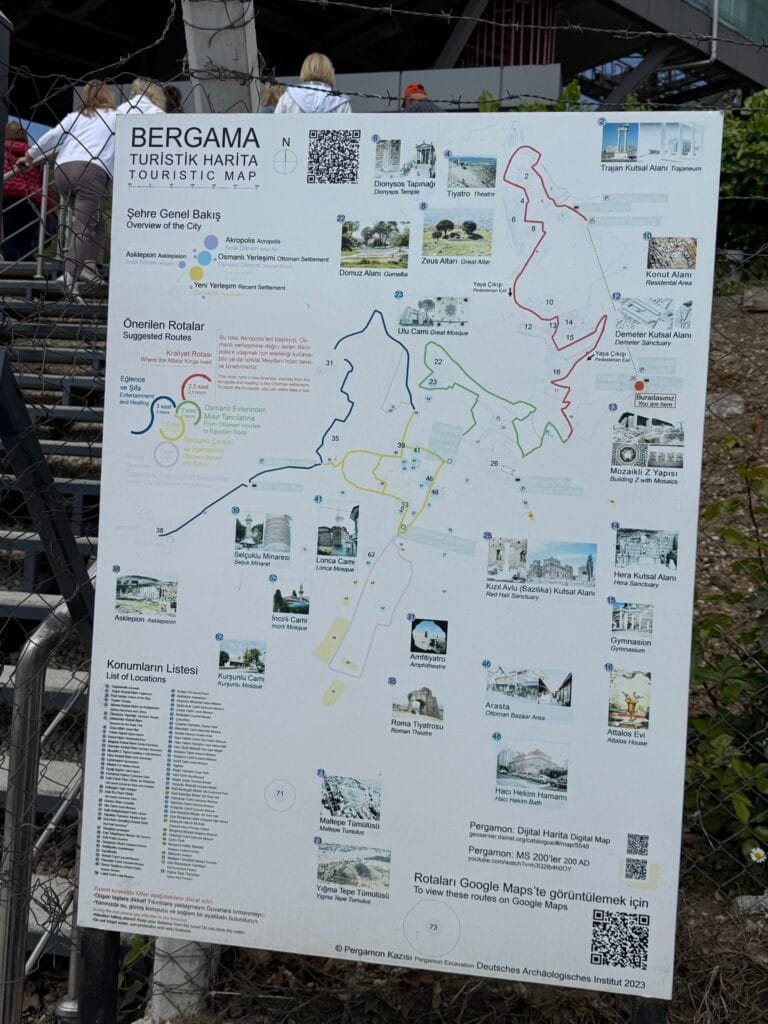
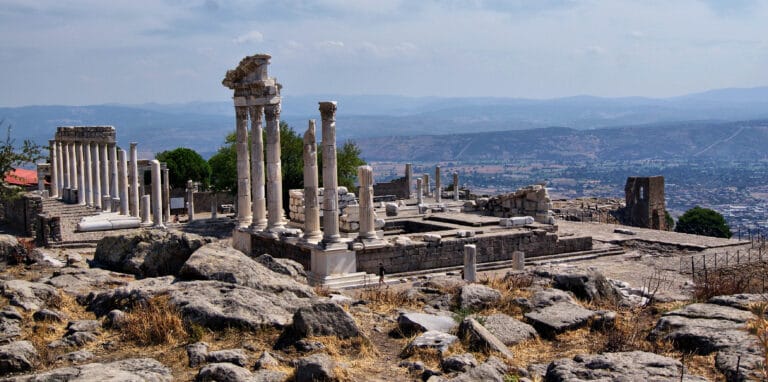
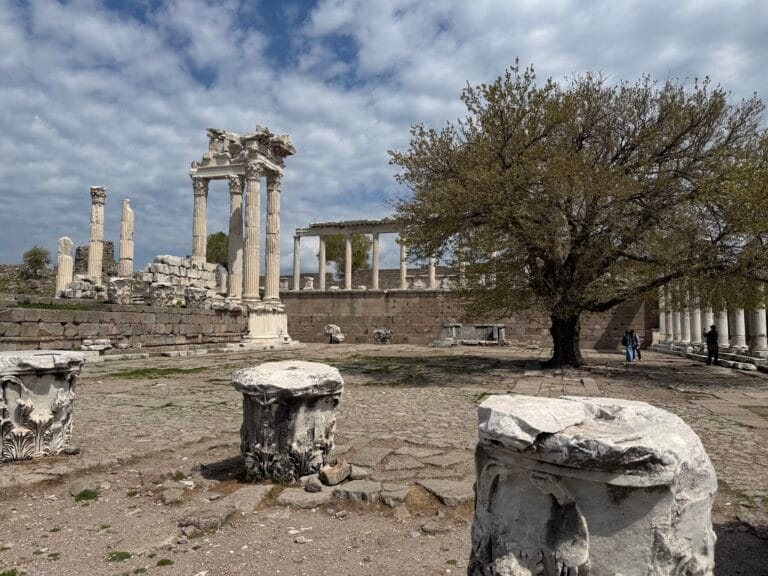
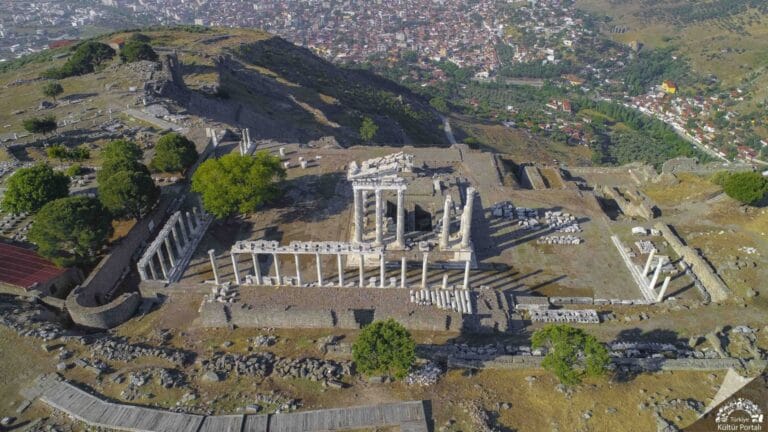
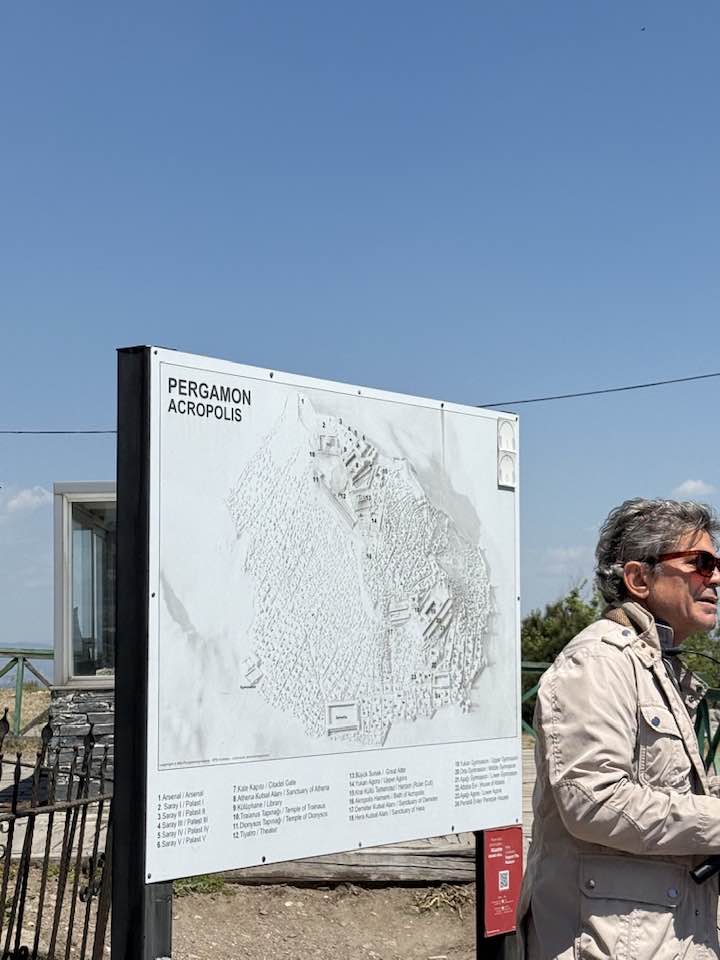
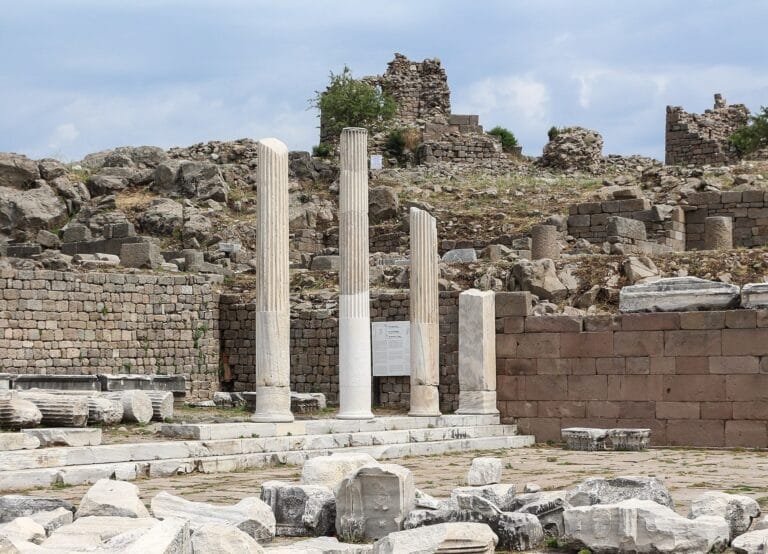
Pergamon Acropolis
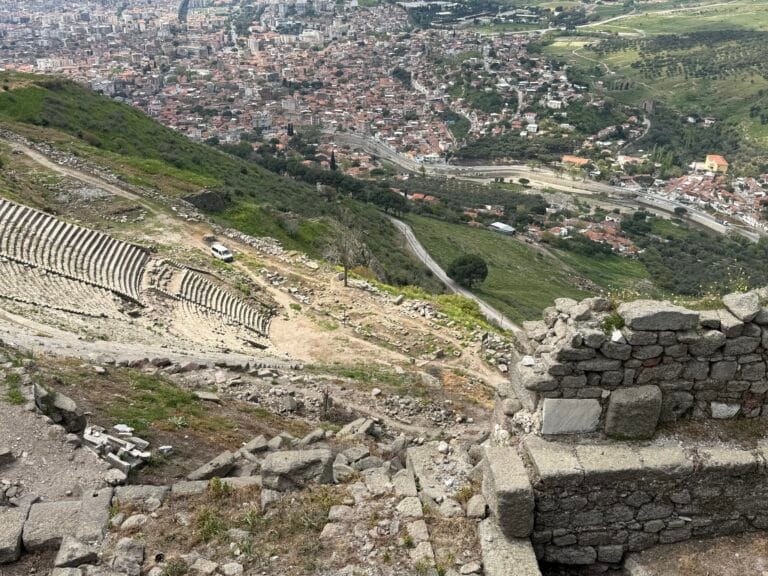
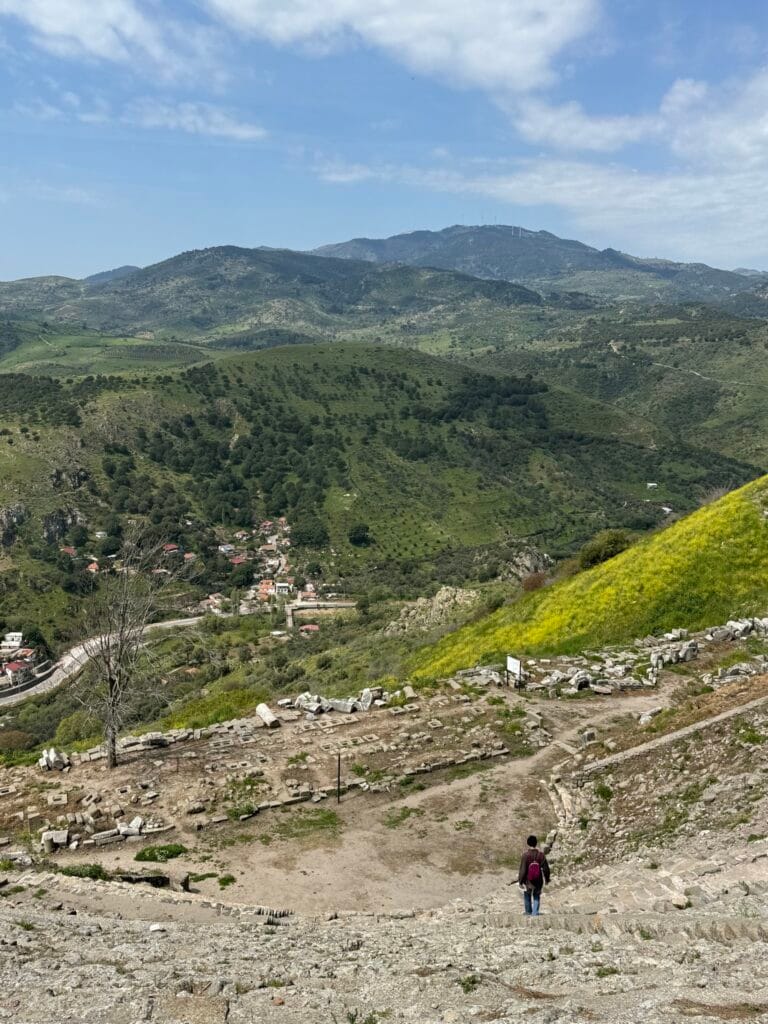
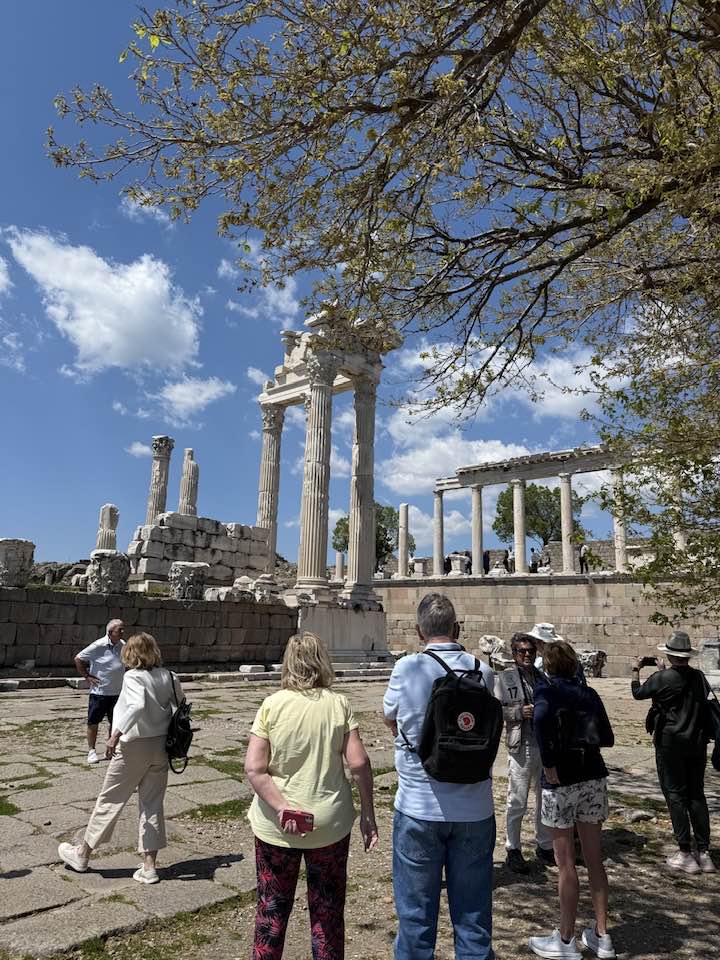
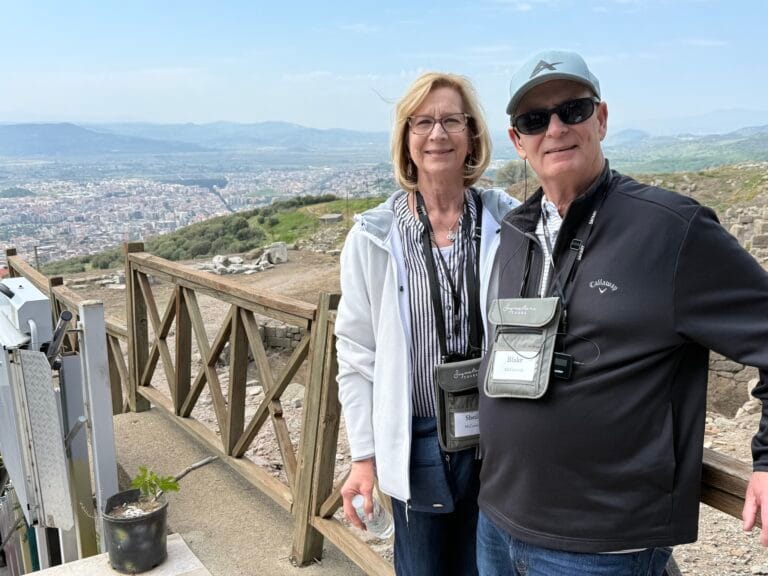
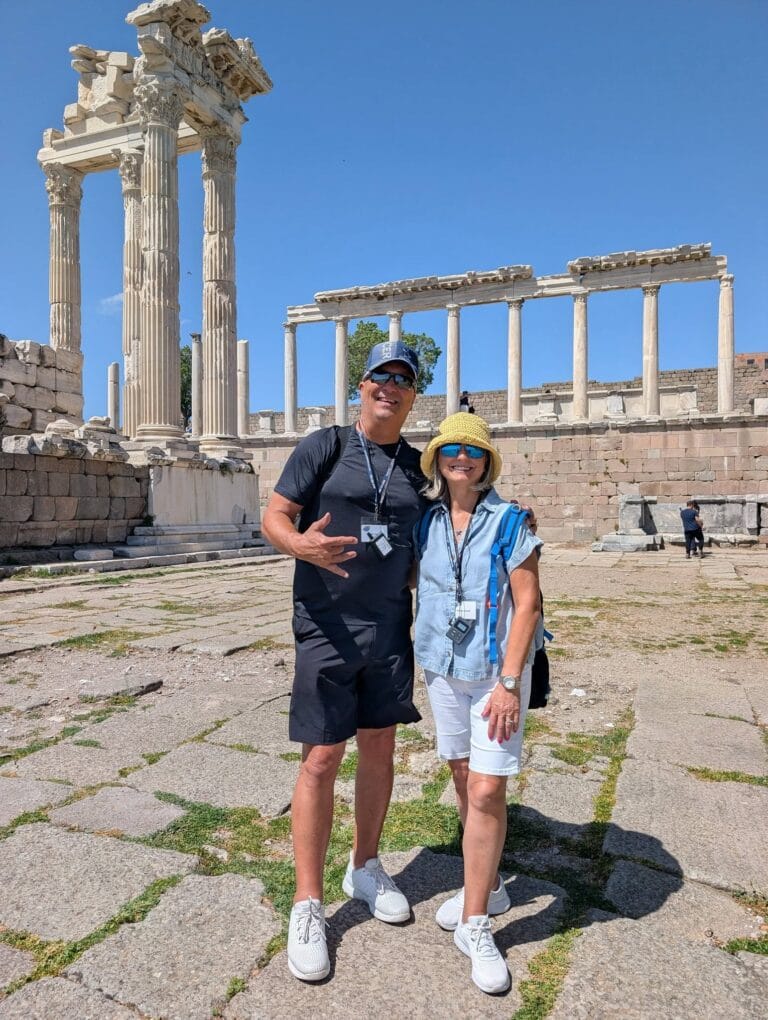
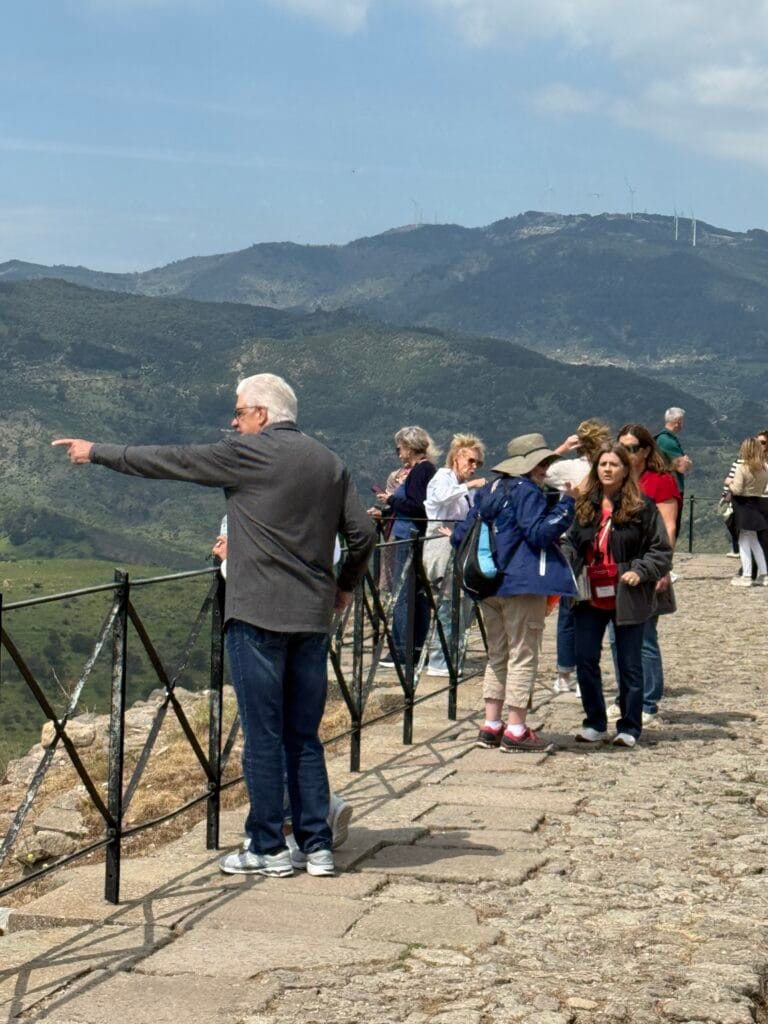
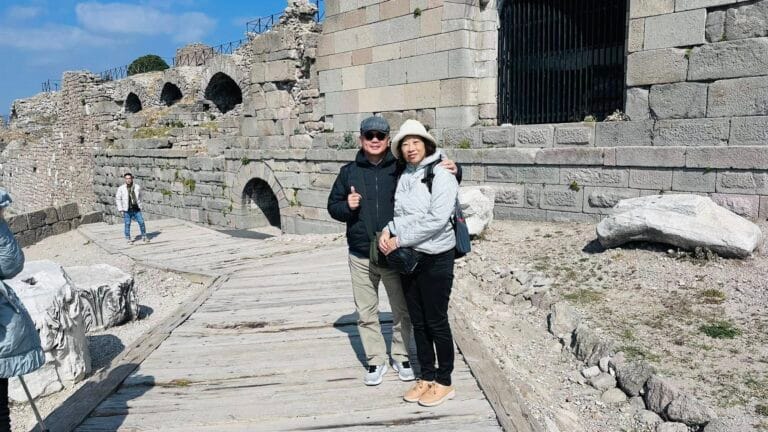
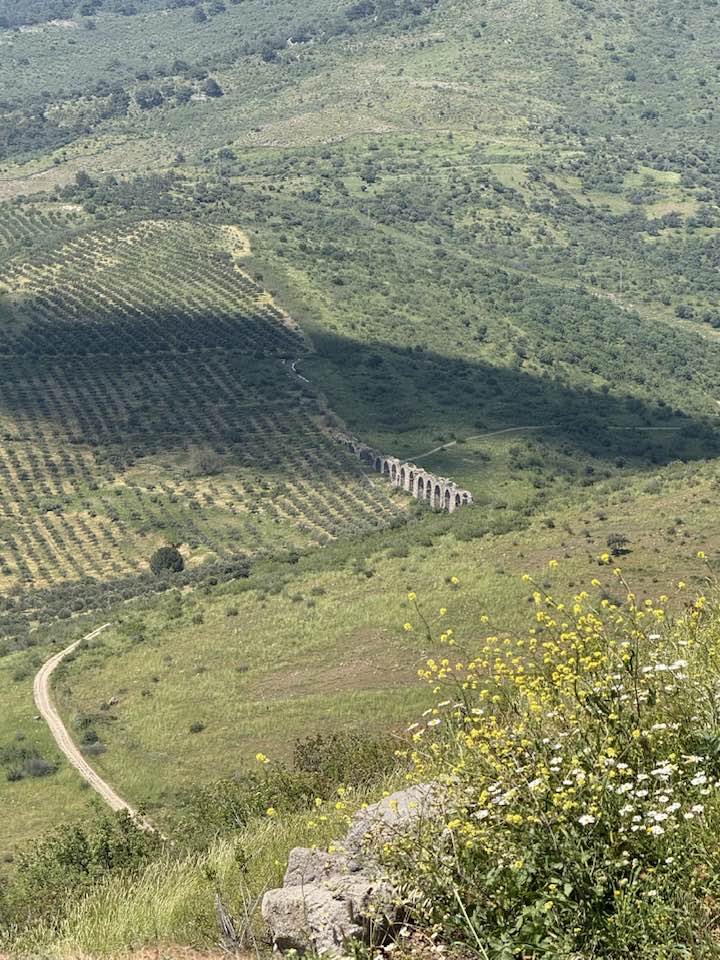
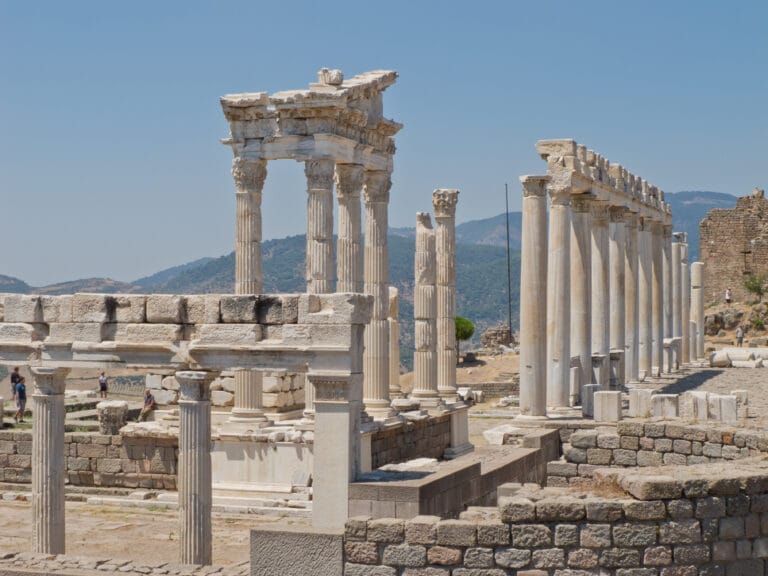
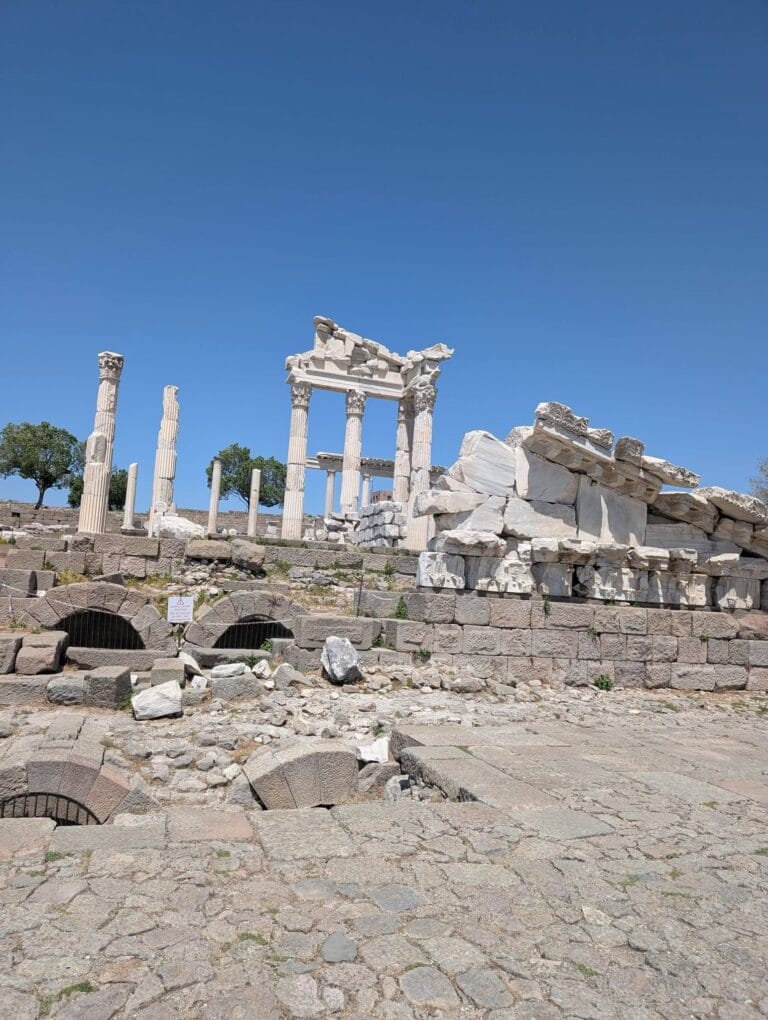
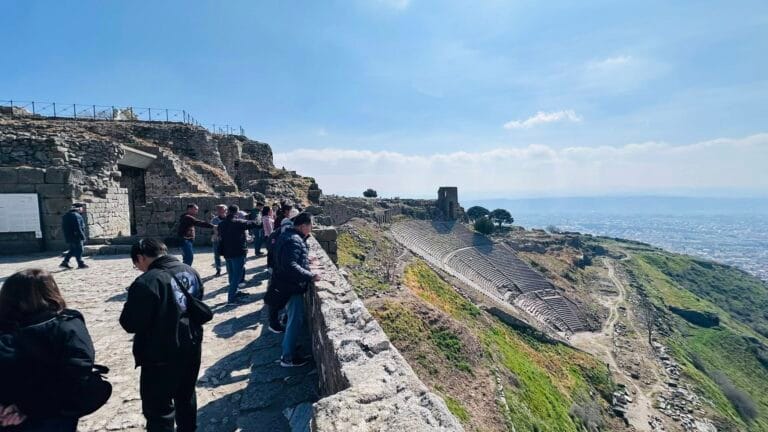
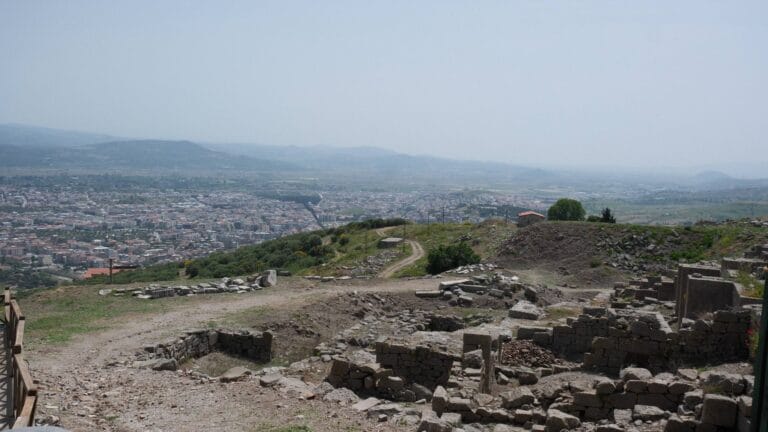
The Acropolis stands high above modern Bergama and contains temples, royal palaces, terraces, fortifications, and panoramic viewpoints overlooking the valley below.
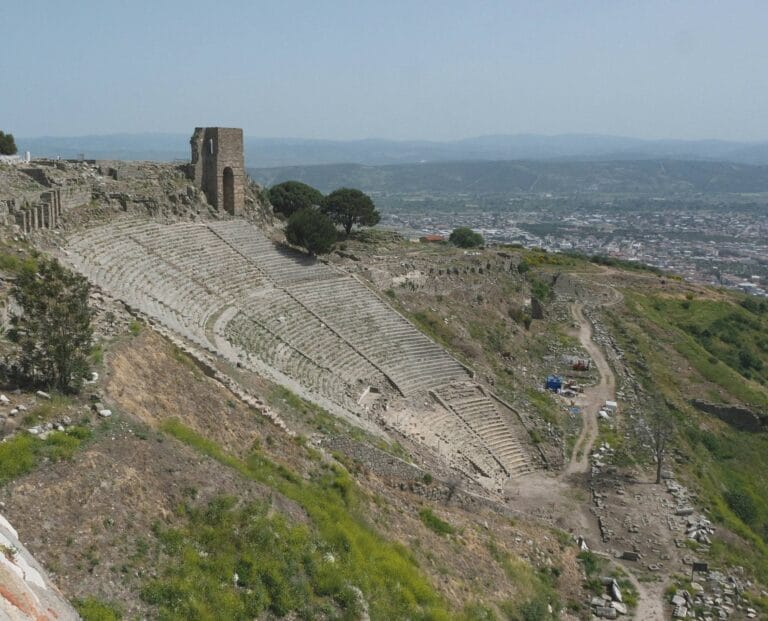
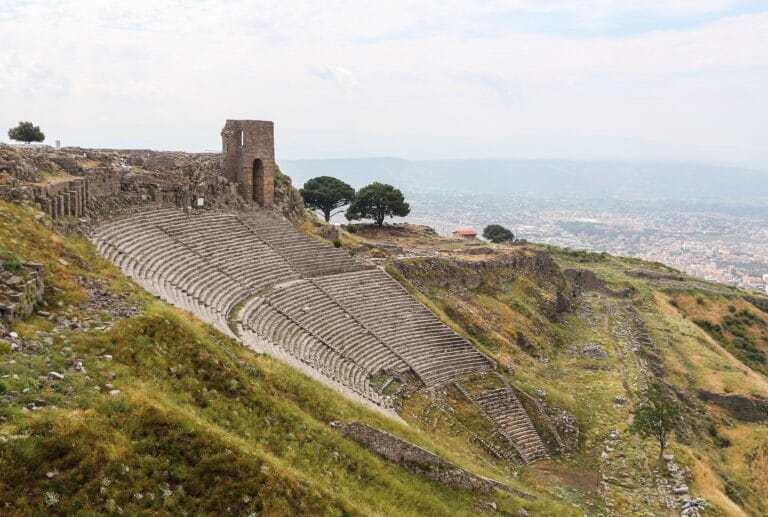
The Ancient Theatre
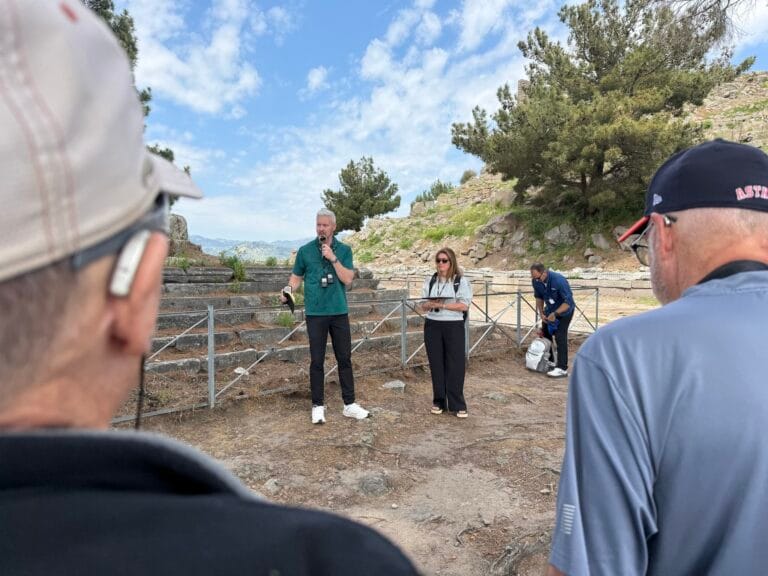
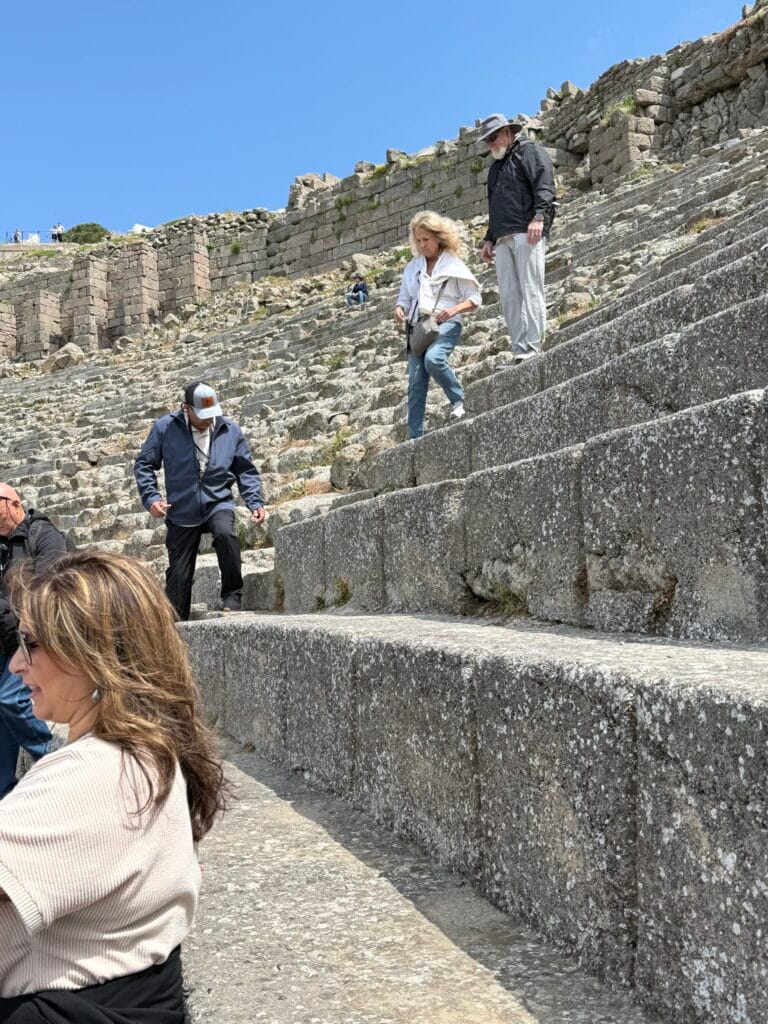
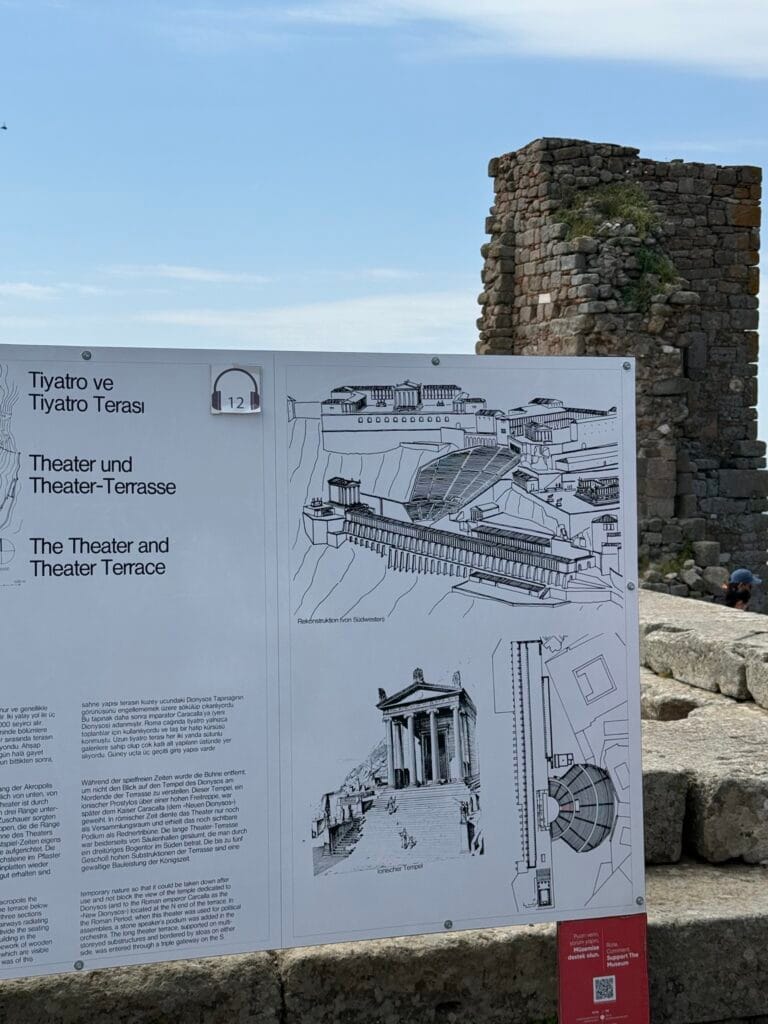
Pergamon’s theatre is one of the steepest theatres ever built in the ancient world and offers breathtaking views across the surrounding landscape.
The Asklepion
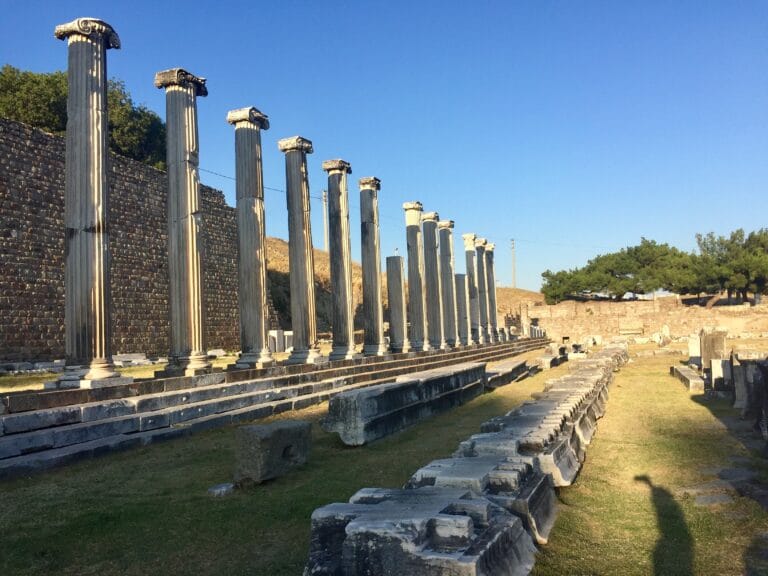
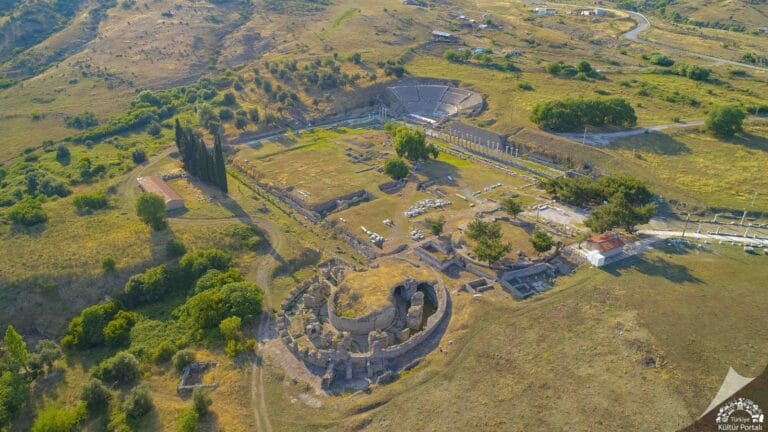
The Asklepion remains one of the most fascinating archaeological sites in Turkey because of its connection to ancient medicine and healing practices.
Red Basilica
Originally built as a Roman temple complex, the Red Basilica later became an important early Christian structure connected to the Seven Churches tradition.
Why Visit Pergamon Ancient City
Pergamon offers visitors a completely different atmosphere from Ephesus. While Ephesus impresses with Roman urban life and marble streets, Pergamon stands out for its dramatic hilltop setting, intellectual heritage, monumental Hellenistic architecture, and deep connection to science, medicine, and art.
The city is especially recommended for travelers interested in:
- Hellenistic history
- archaeology
- ancient medicine
- ancient libraries
- Greek and Roman art
- UNESCO heritage sites
- early Christianity
Plan Your Visit
Pergamon Ancient City is located in Bergama, approximately 110 kilometers north of Izmir.
Visitors can reach the site by private vehicle, guided tours, or public transportation from Izmir and nearby Aegean destinations.
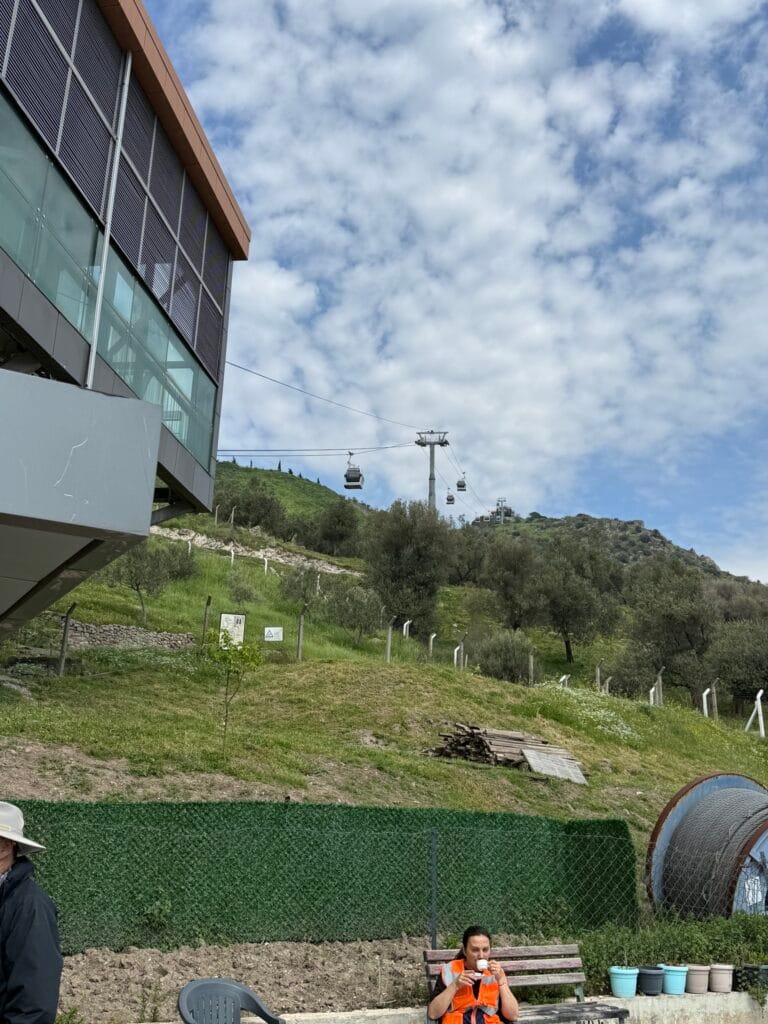
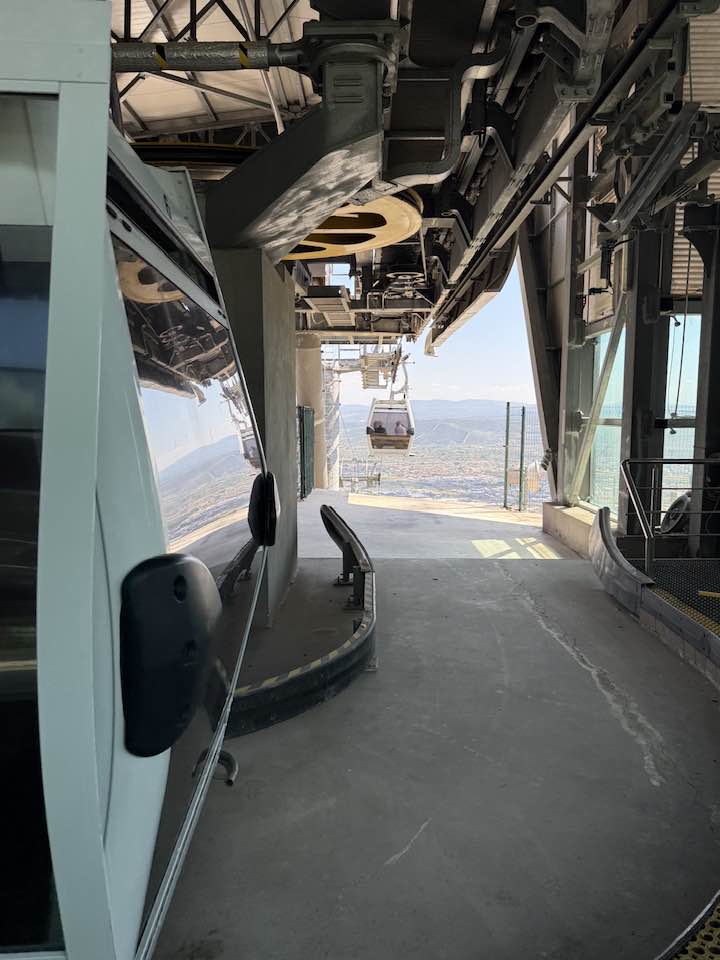
The Acropolis can be accessed by cable car or road. Museum Pass Turkey is generally accepted, and opening hours may vary seasonally.
Spring and autumn are considered the best seasons to visit due to the comfortable weather and panoramic visibility.
Gallery