History of Ephesus: Powerful Guide to Ancient Glory
The history of Ephesus stretches back more than 2,500 years and remains one of Turkey’s greatest story.
Some cities belong to history and there are cities that still speak through it. Ephesus is one of the latter. The history of Ephesus is not frozen in the past, it can still be read in its streets, monuments and sacred spaces today.
Ephesus was first founded by the Ionian Greeks. Later it expanded during the Hellenistic age and reached its greatest power under the Roman empire.
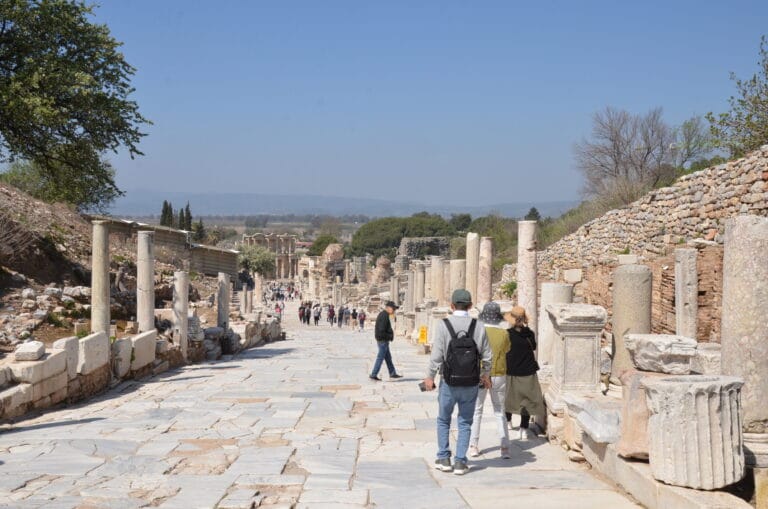
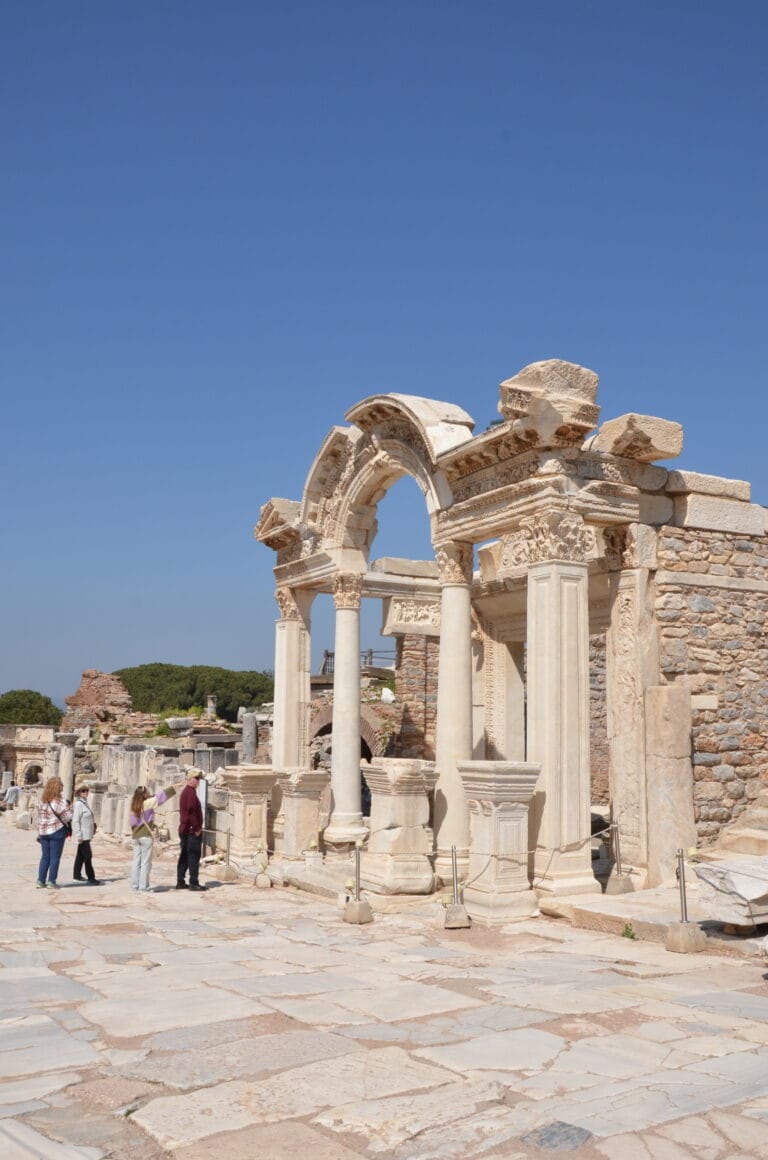
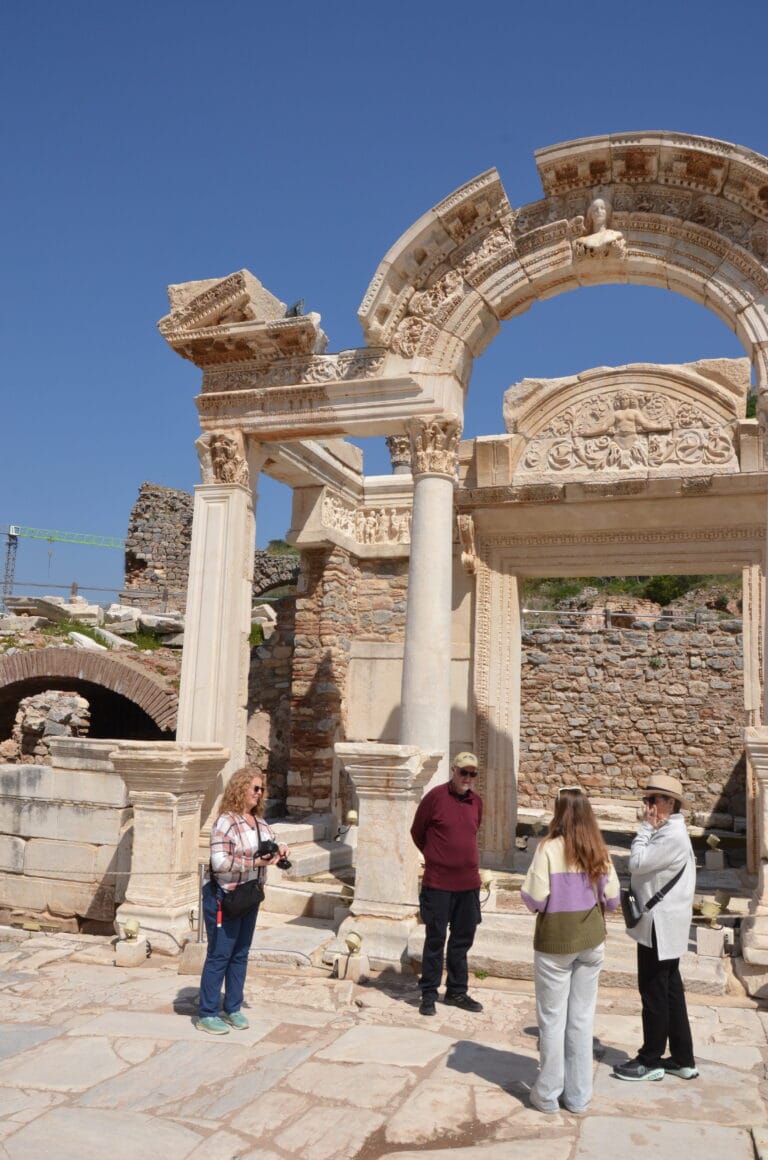
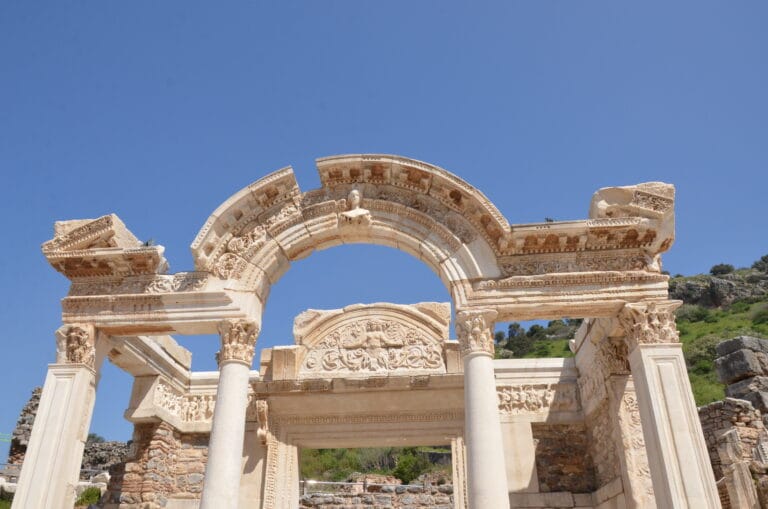
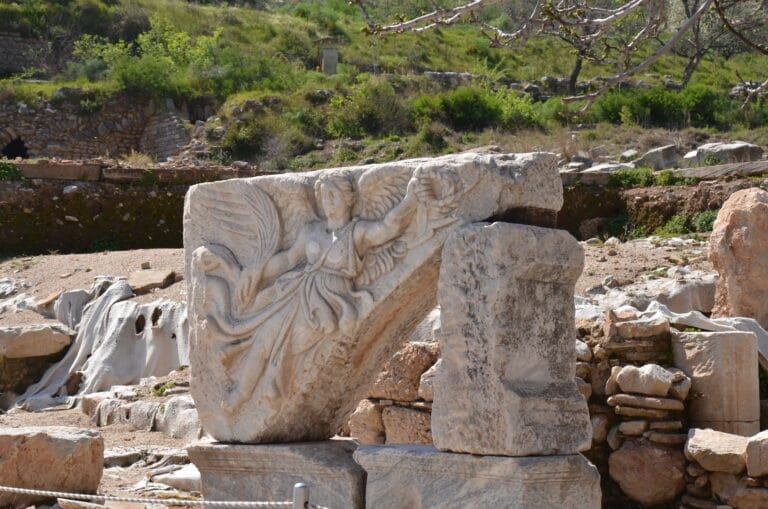
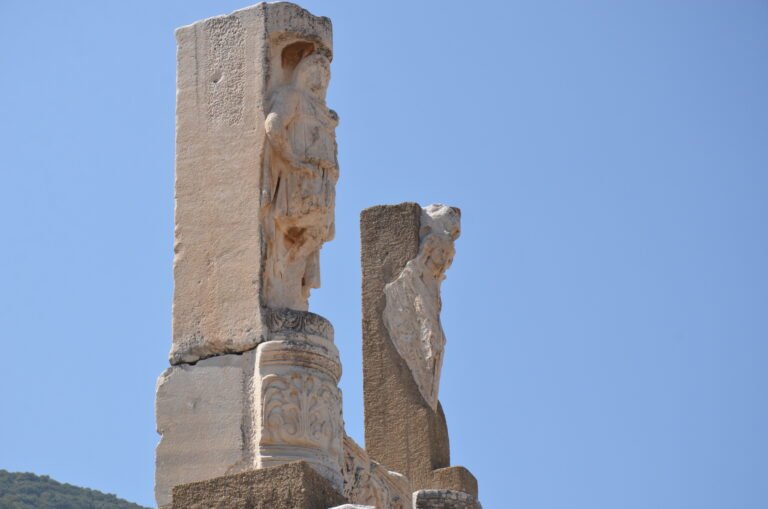
Each civilization left visible marks on the city. When you walk through Ephesus today, you move through Greek urban planning, Roman engineering and early Christian history at the same time.
The Temple of Artemis and Early Importance
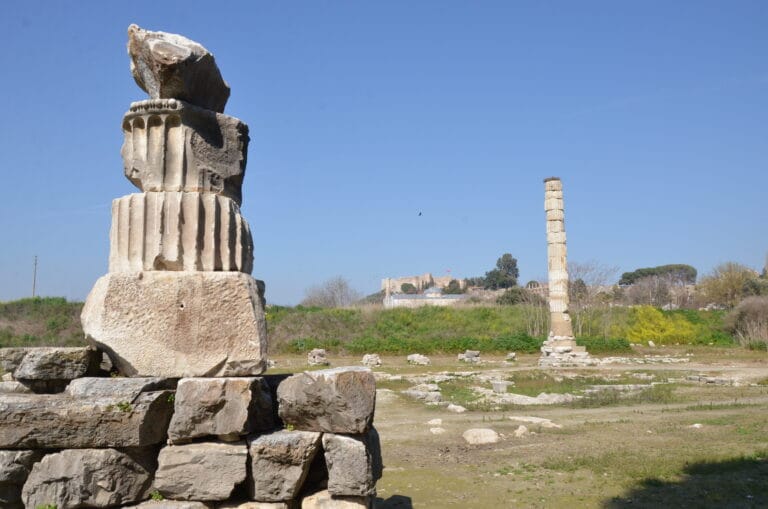
Long before Christianity, Ephesus was already famous across the Mediterranean world. The city was home to the Temple of Artemis. This monumental sanctuary made Ephesus a powerful religious and economic center.
Pilgrims, merchants and travelers came here from distant lands. Ideas moved as freely as goods and belief shaped both stone and spirit. This early prosperity laid the foundation for the greatness seen later in the history of Ephesus.
Roman Empire in the History of Ephesus
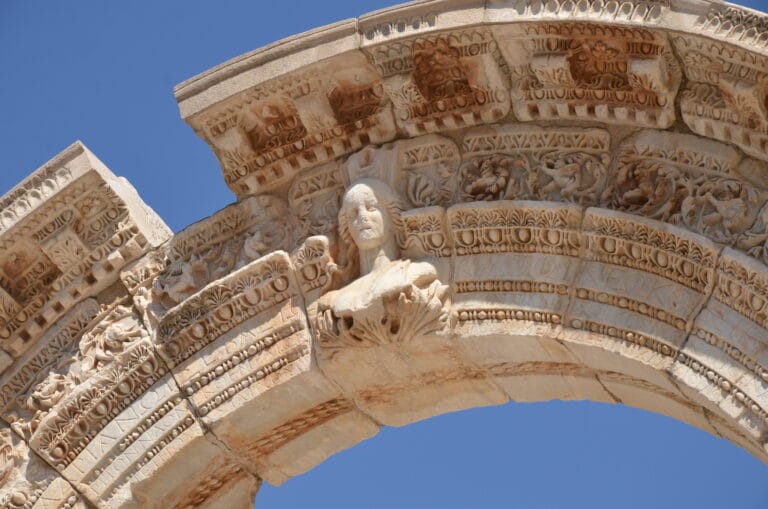
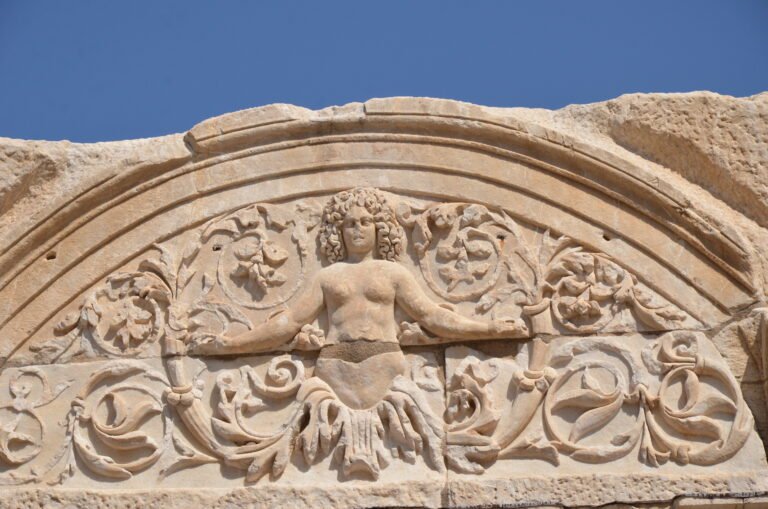
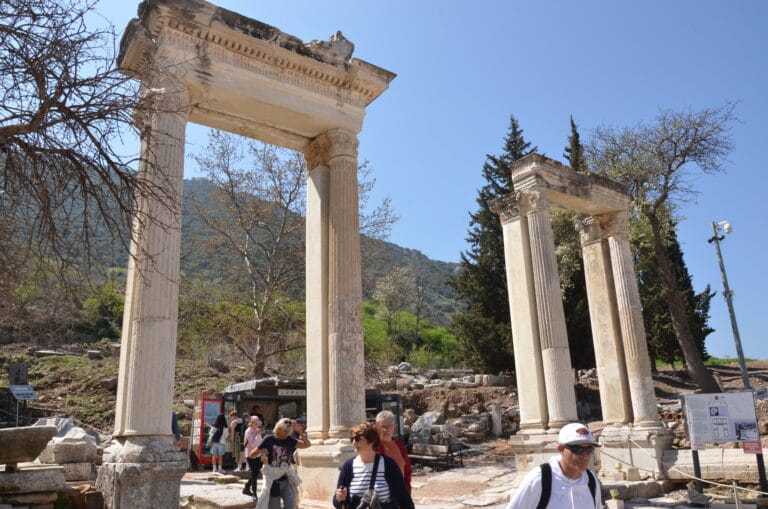
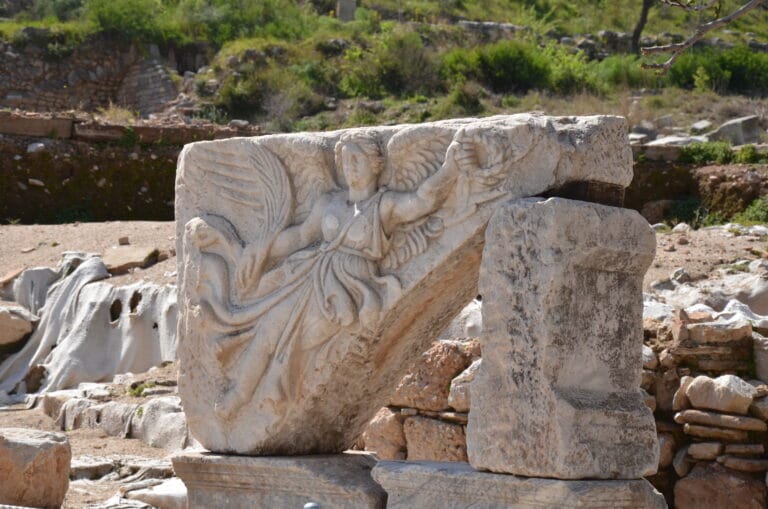
During the Roman era, Ephesus became one of the largest and richest cities in Asia Minor. It served as a major administrative and commercial center of the Roman province of Asia.
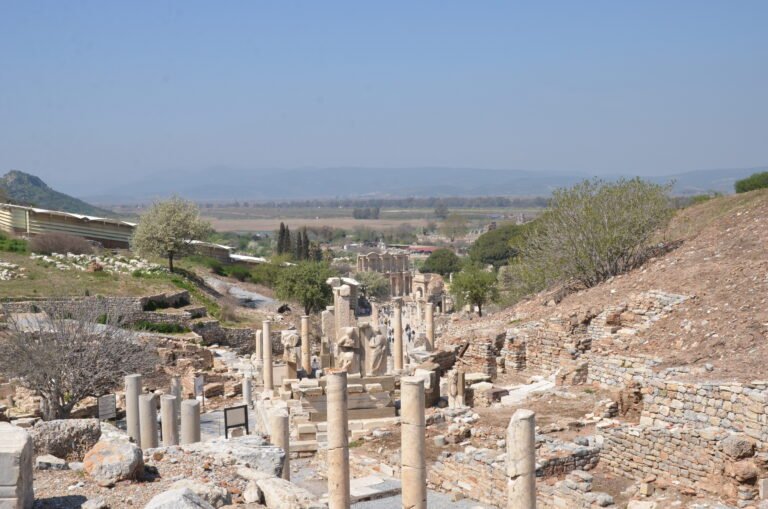
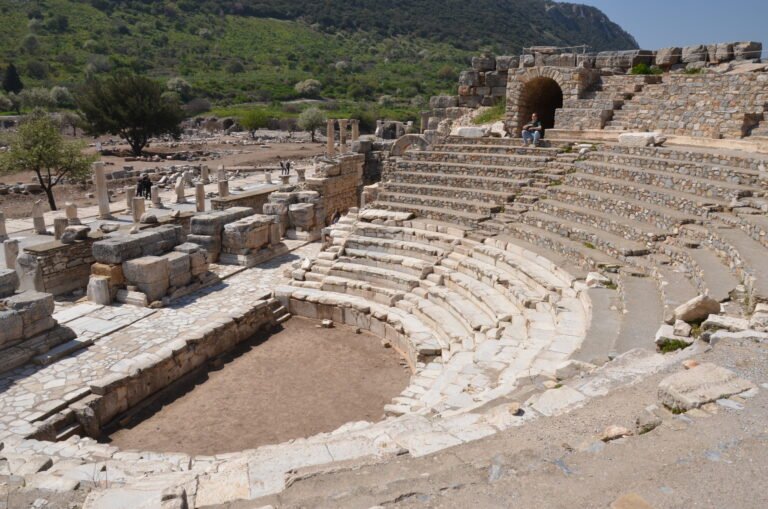
The great theatre with a capacity 25,000 people, hosted everything from dramatic performances to political gatherings and later gladiatorial games. It was here that St Paul preached to the Ephesians as recorded in the Acts of Apostles causing a famous uproar among the followers of Artemis. The theatre’s acoustics remain remarkable. A single speaker at the stage can still be heard clearly in the highest rows. Climb to the top for a panoramic view of the Arcadian Street, once leading down to the now-vanished harbour.
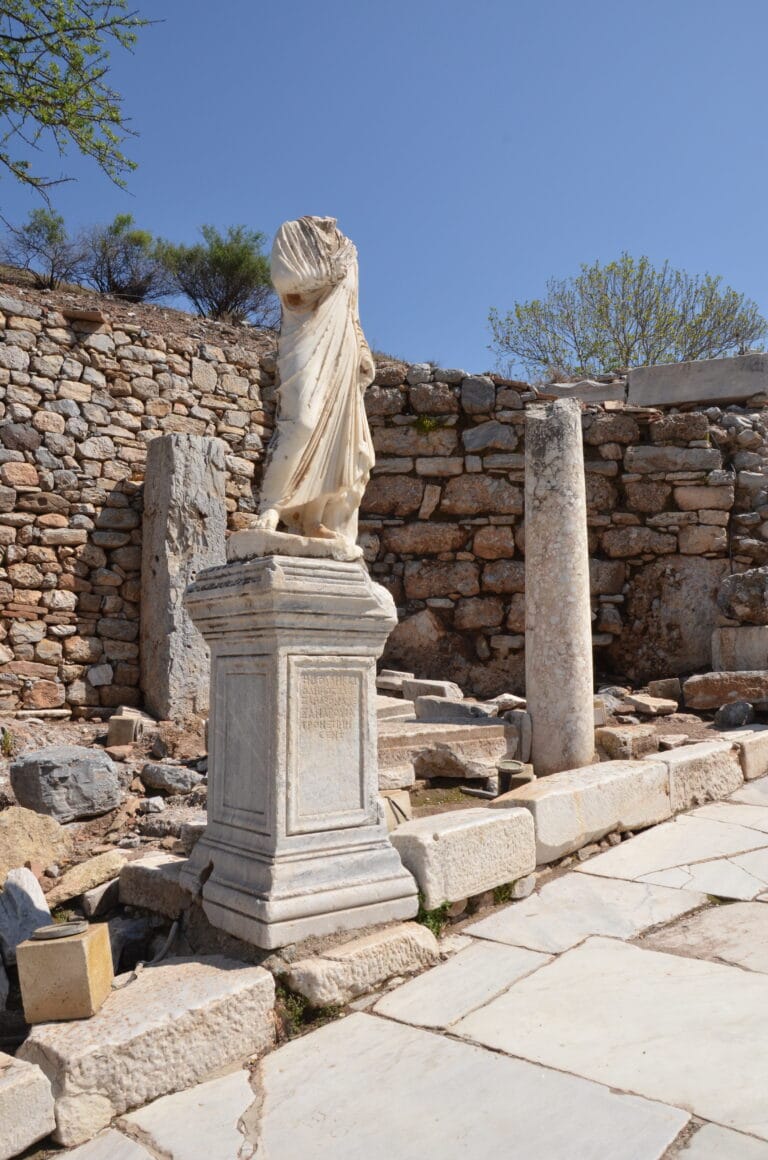
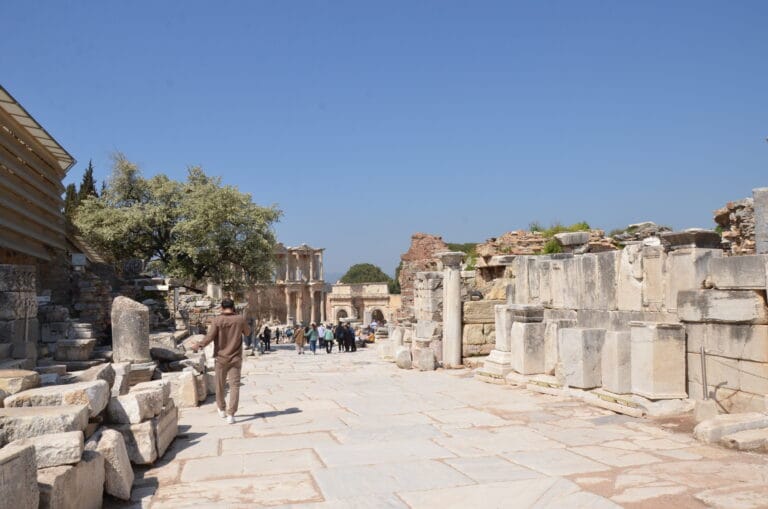
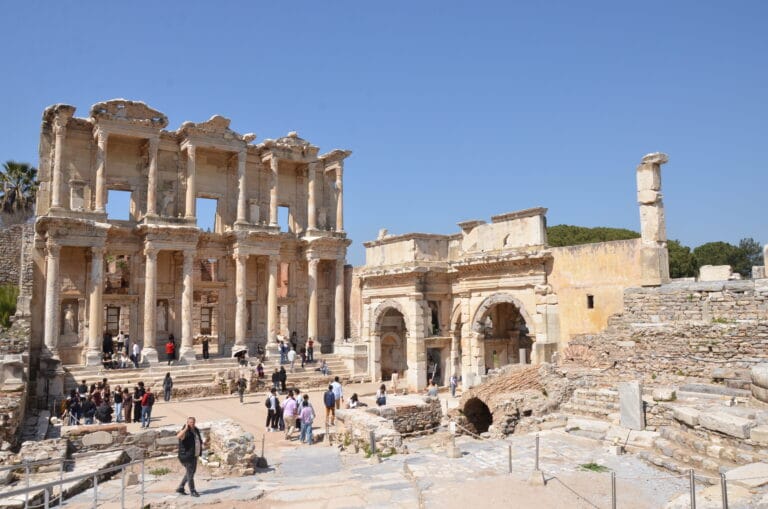
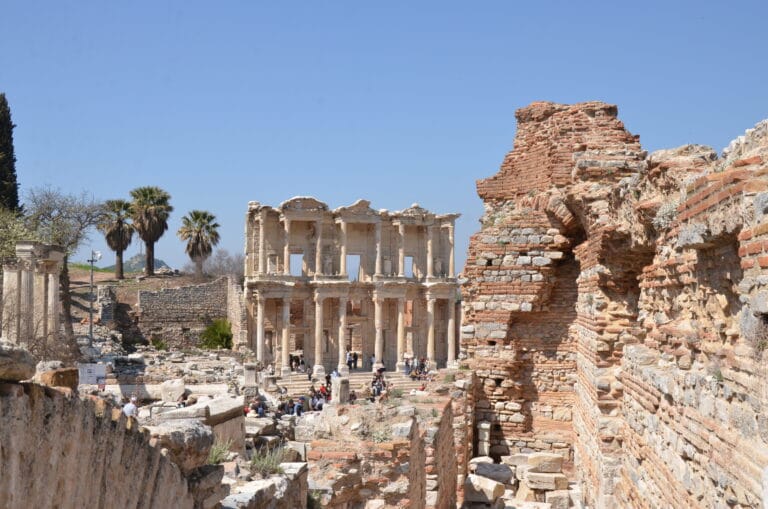
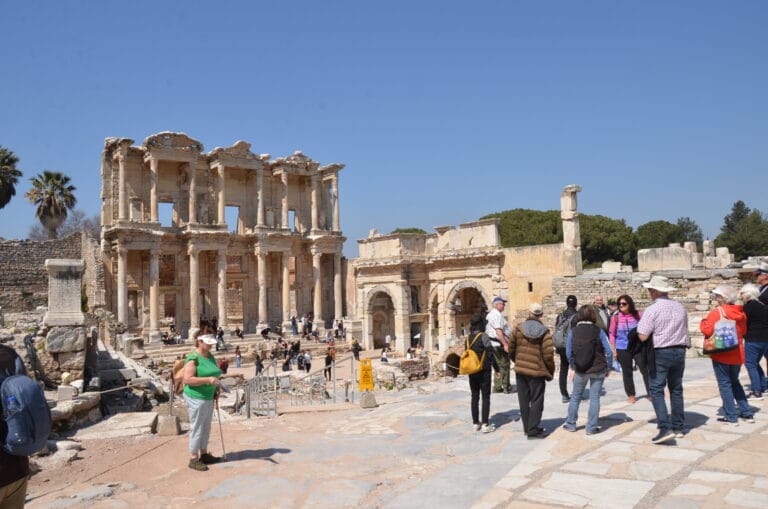
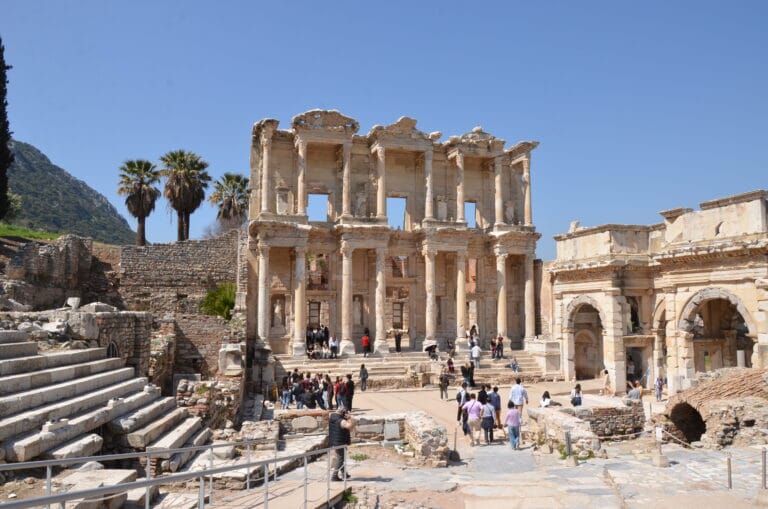
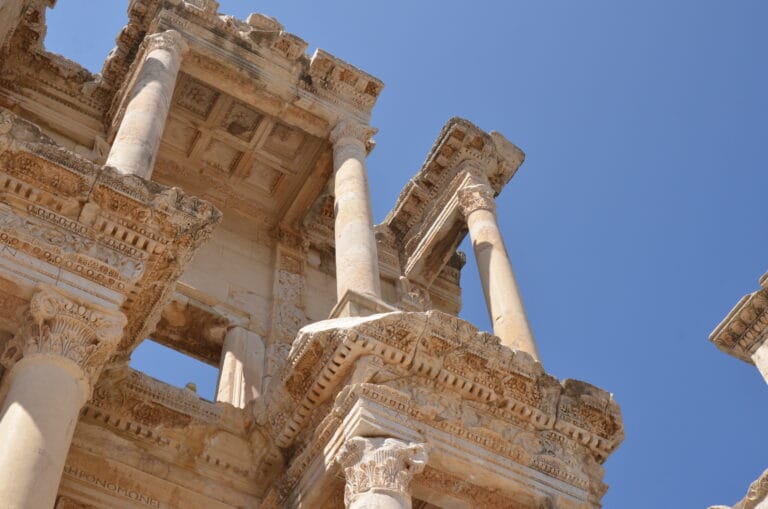
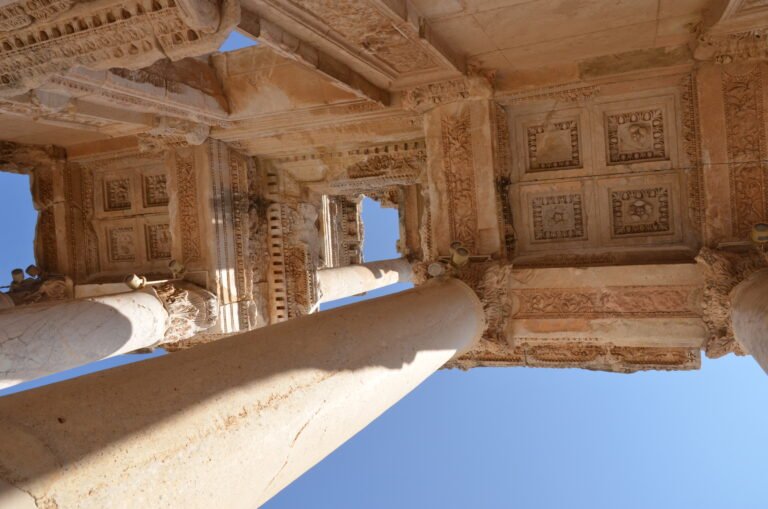
The library of Celsus was built not only to preserve books, but also to symbolise Roman ideals of wisdom, learning and civic virtue. It held more than 12,000 scrolls, making it the third-largest liibrary of the ancient world, after Alexandria and Pergamon. Statues representing Wisdom (ΣΟΦΙΑ), Knowledge (ΕΠΙΣΤΗΜΗ), Intelligence (ΕΝΝΟΙΑ) and Virtue (ΑΡΕΤΗ) once filled the niches between columns, symbolising the values of learning. Behind the façade lies a sarcophagus Celsus’S tomb – a rare honor, as Roman law usually forbade burials within city limits. The library also faced the Agore showing how learning and commerce coexisted in daily life.
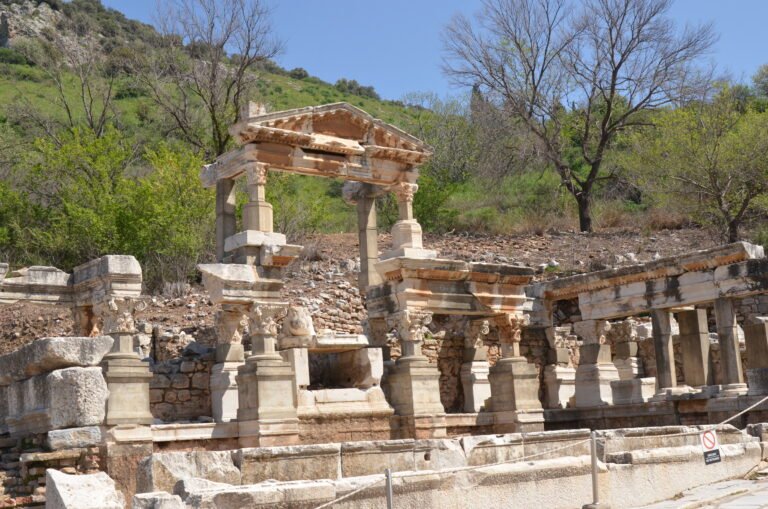
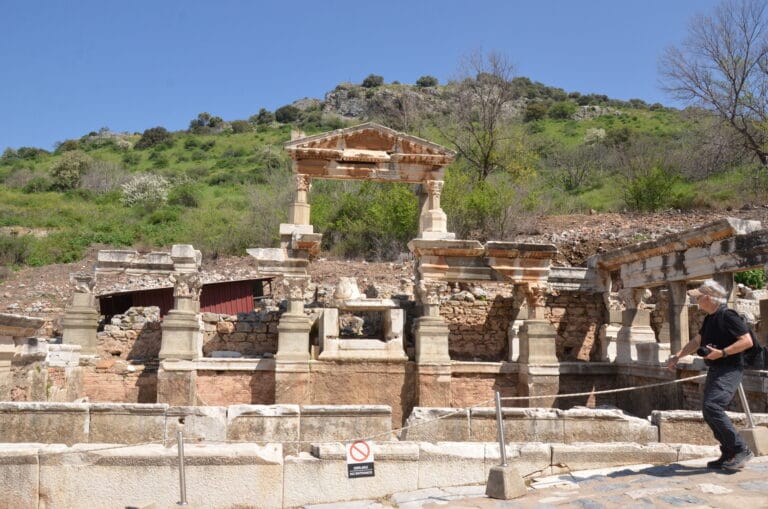
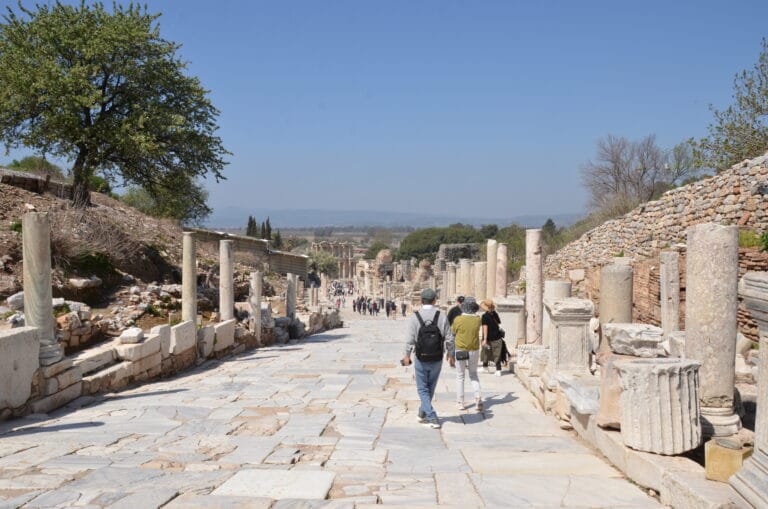
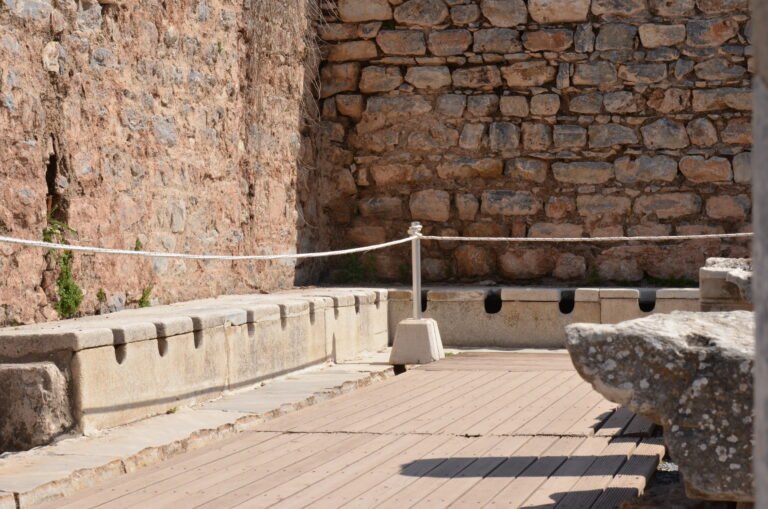
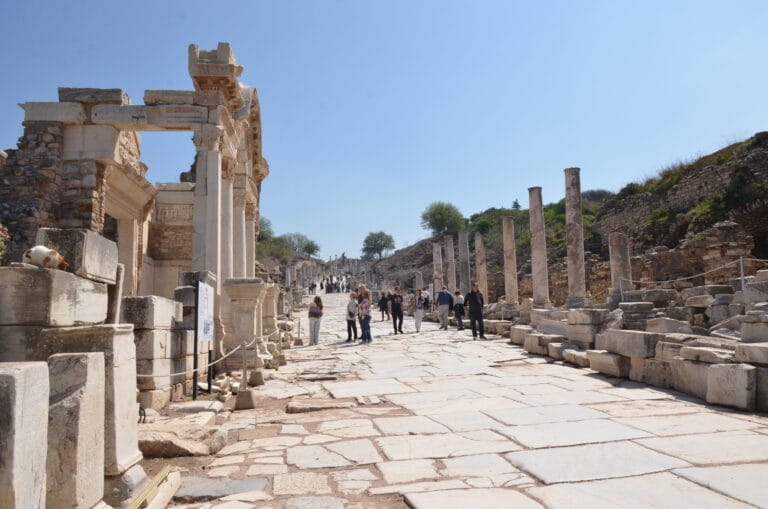
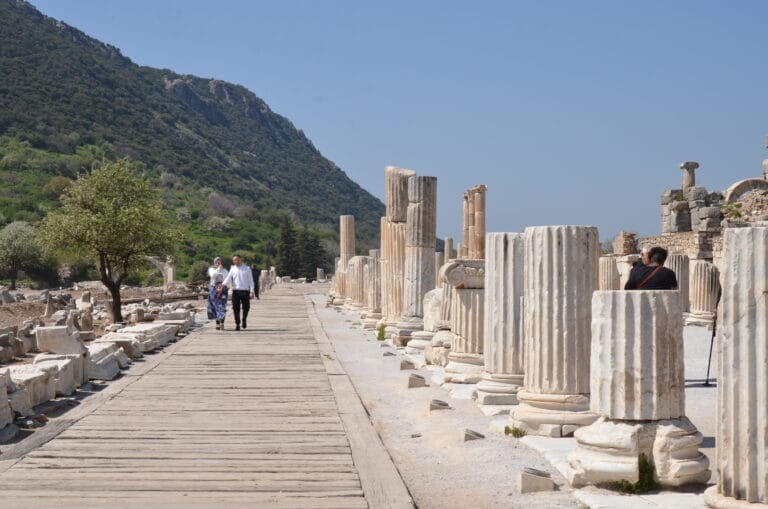
The marble streets, fountains, bath complexes and elegant terrace houses reveal a city designed for prestige, order and saily comfort.
Ephesus and Early Christianity
Located within the borders of modern-day Turkey, Ephesus may have stood silent for centuries, yet it remains one of the most significant cities of the ancient Mediterranean world.
While Jerusalem is often described as the cradle of Christianity, Ephesus can just as meaningfully be called its nursery. Here, early Christian thought matured, circulated and took written form. One writer expressed the city’s importance in these worlds:
For one momentous generation, Ephesus was the literally focus of early Christianity and through the works compiled here, it influenced Christianity more profoundly than Jerusalem, Antioch or Rome.
Ephesus also played a key role in early Christian movement. Several books of the New Testament are directly or indirectly connected to the city.
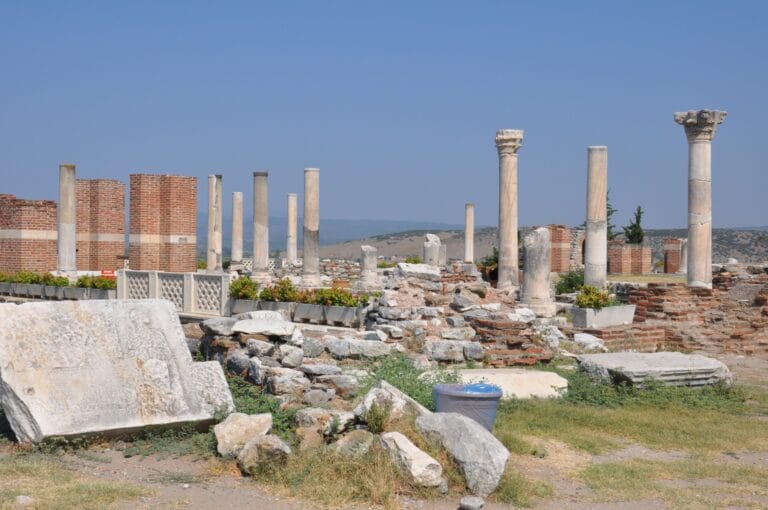
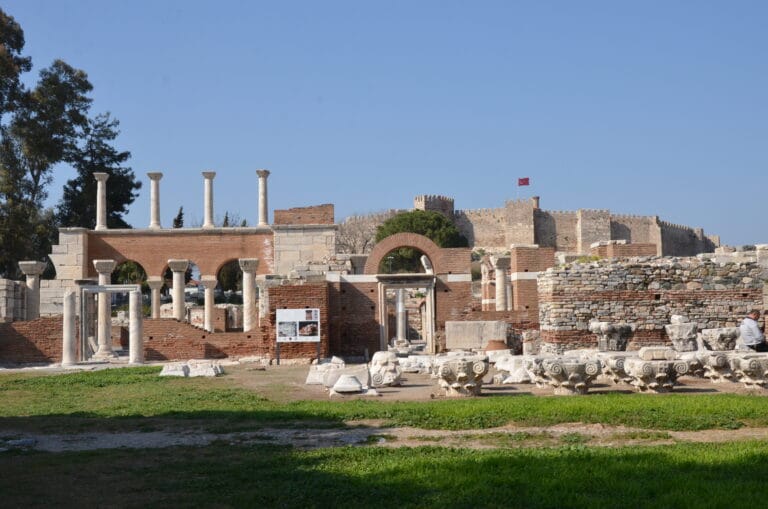
Saint Paul preached in Ephesus longer than in any other recorded location, spending nearly three years there according to the Acts of the Apostles. Tradition holds that the Saint John spent the final years of his long life in the city. The same traditions hold that Timothy became first bishop of Ephesus and was martyred in the city. He was later succeeded by Onesimus, once a runaway slave.
Legends also tells that Mary, the mother of Jesus, spent the last days of her life in Ephesus.
Although modern scholarship continues to debate the authorship, dating and intended audiences of certain New Testament writings, traditional understanding reveals a strong and lasting association with Ephesus:
- First and Second Corinthians were written from Ephesus,
- The Letter to the Romans was composed shortly afeter Paul left the city,
- First and Second Timothy were adressed to Paul!s close associate ministering in Ephesus,
- There is a letter bearing the city’s name: Ephesians
- The Gospel of John and his letters are closely linked to his residence in Ephesus.
- The Book of Revelation was written on an island near the city.
For all these reasons, Ephesus remains significant not only for classical history but also for Christian theology and pilgrimage tradititons.
Exploring Ephesus today is more than visiting ruins. It is walking through the layers of civilizations that shaped the Mediterranean world.
Today, Ephesus is officially listed as a UNESCO World Heritage Site, recognised for its outstanding historical value.
Join our tours to Ephesus from Kusadasi, Selcuk or Istanbul and learn the history of Ephesus extensively with our licensed local guides with strong knowledge in this area.