Sardis Ancient City
About Sardis Ancient City
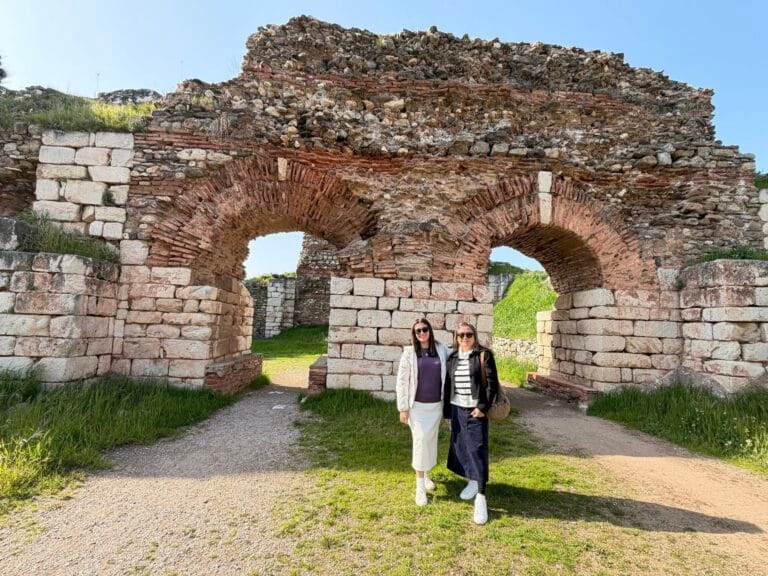
Located near the modern town of Sart in Manisa Province, Sardis Ancient City was once the magnificent capital of the ancient Kingdom of Lydia and one of the most important cities of western Anatolia. Famous for its wealth, monumental architecture, and connection to King Croesus, Sardis played a major role in the history of trade, coinage, religion, and early civilization.
Today, Sardis stands as one of Turkey’s most remarkable archaeological sites, offering visitors an extraordinary combination of Lydian, Persian, Greek, Roman, Byzantine, and early Christian history.
The city is especially known for its monumental Gymnasium complex, ancient synagogue, Temple of Artemis, and its role in the invention and spread of coinage.
The History of Sardis Ancient City
Revelation Message (Revelation 3:1–6)
To Sardes, Jesus says:
You have a reputation of being alive, but you are dead. Wake up!
Sardis became the capital of the Lydian Kingdom during the 7th and 6th centuries BC and reached its greatest prosperity under King Croesus, whose legendary wealth became famous throughout the ancient world.
The city occupied a highly strategic position along important trade routes connecting Anatolia with the Aegean world and the interior of Asia Minor.
Sardis is widely associated with:
- the first standardized coinage
- the wealth of the Lydian kings
- Persian imperial administration
- Hellenistic urban culture
- Roman monumental architecture
- early Christianity
In 547 BC, the Persian king Cyrus the Great defeated Croesus and brought Sardis under Persian control. The city later became one of the major administrative centers of the Persian Empire in Anatolia.
After the arrival of Alexander the Great, Sardis entered the Hellenistic world and later flourished again under Roman rule.
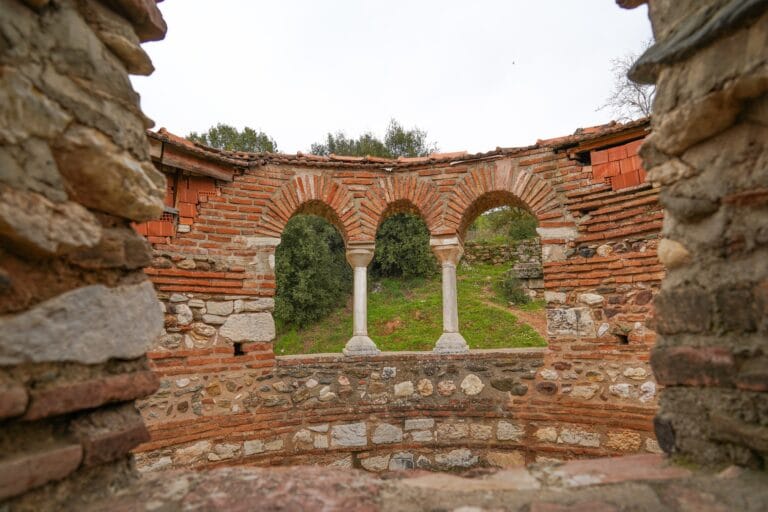
The city also became an important center of early Christianity and is mentioned as one of the Seven Churches of Revelation in the New Testament.
What to See in Sardis Ancient City
The Gymnasium and Bath Complex
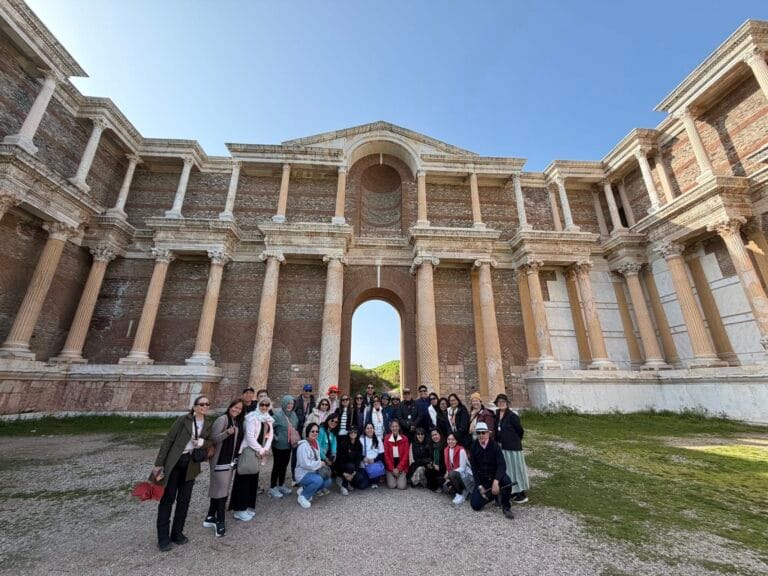
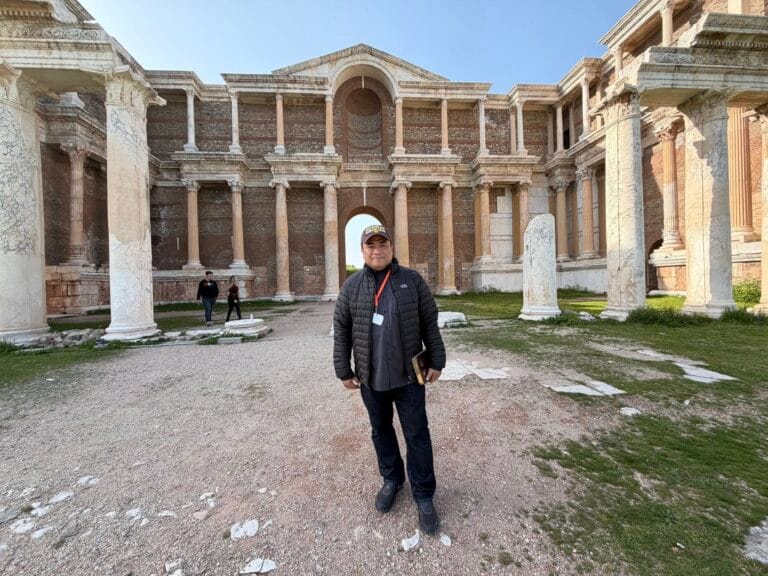
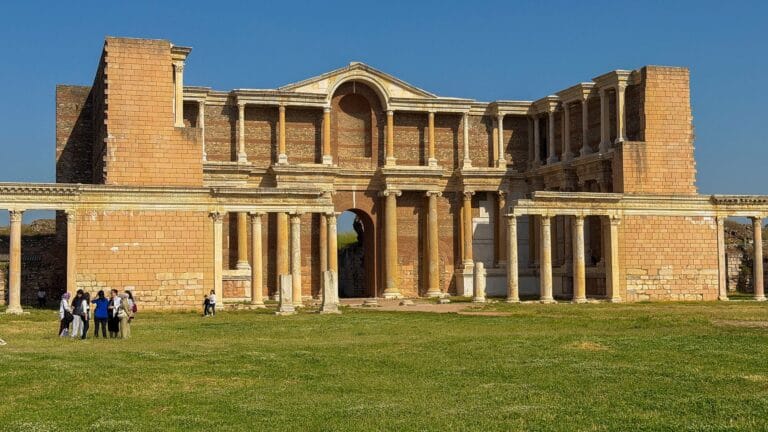
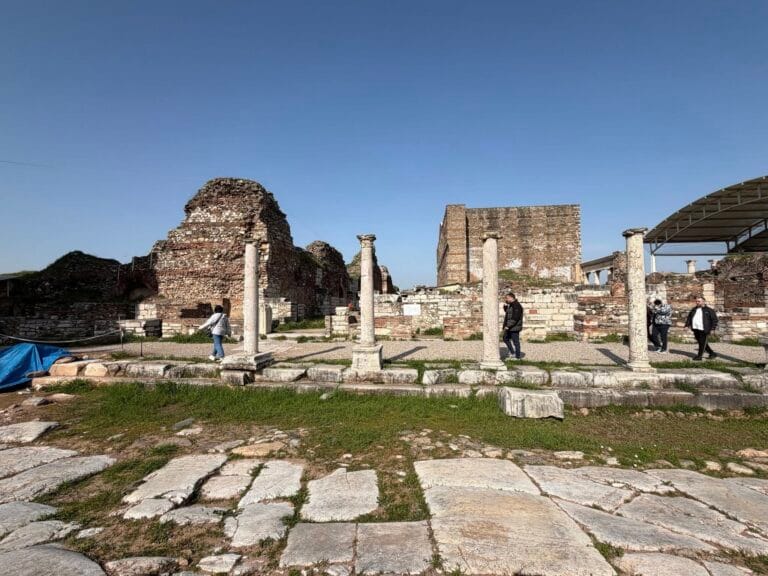
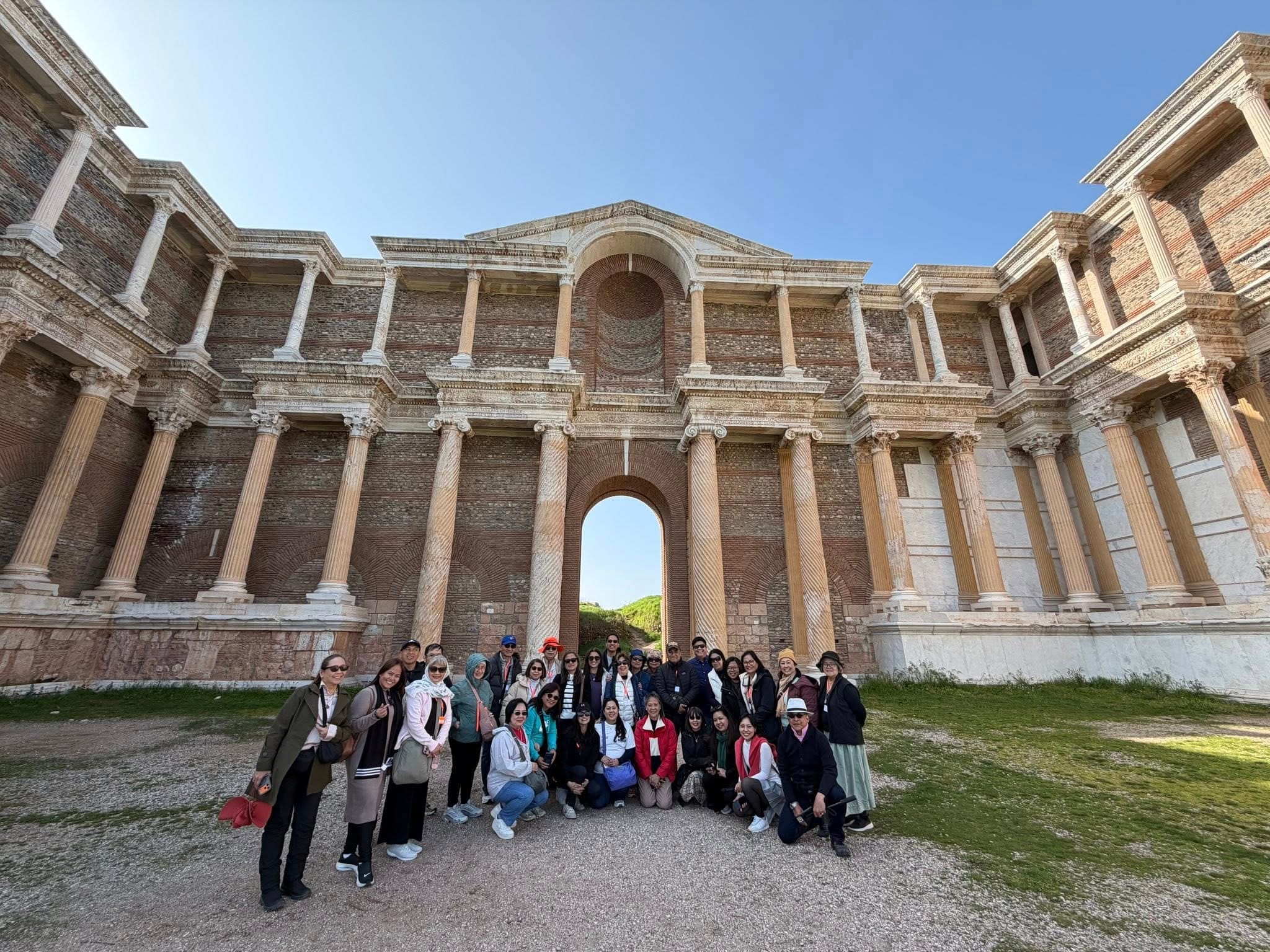
One of the most impressive structures in Sardis is the monumental Roman Gymnasium and Bath Complex. Its reconstructed marble façade is considered one of the most spectacular restorations in Turkey.
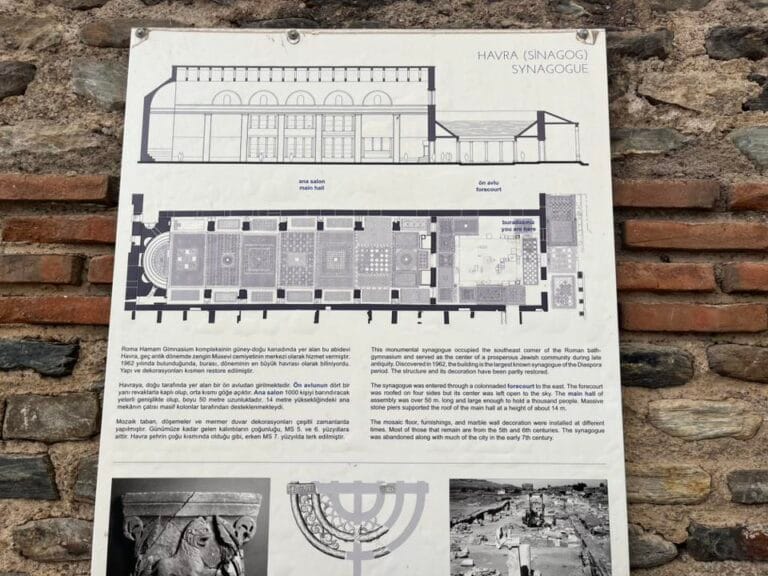
The Ancient Synagogue
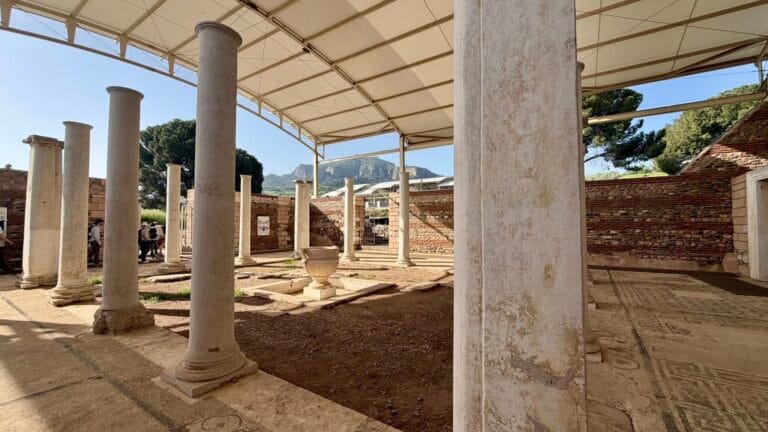
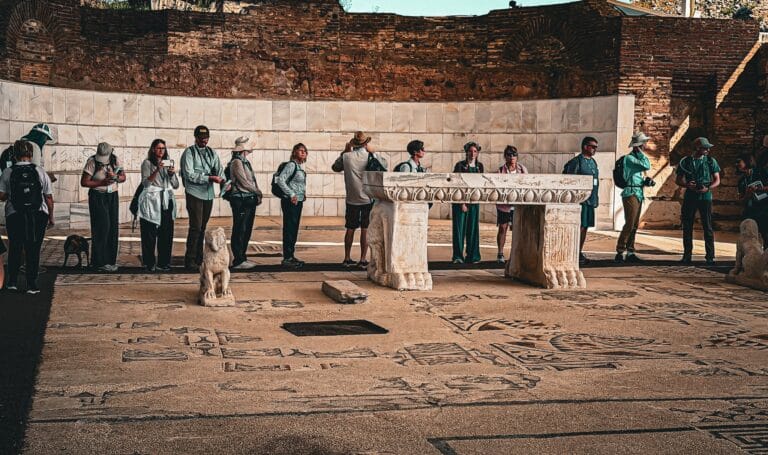
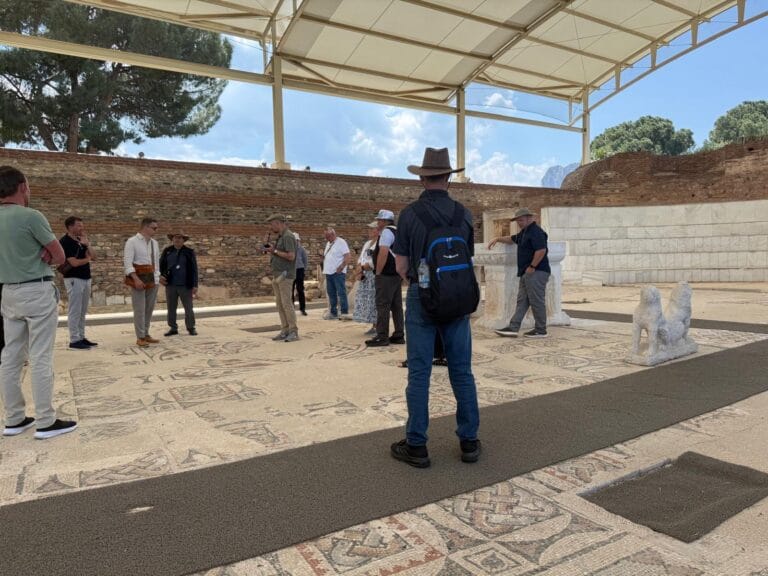
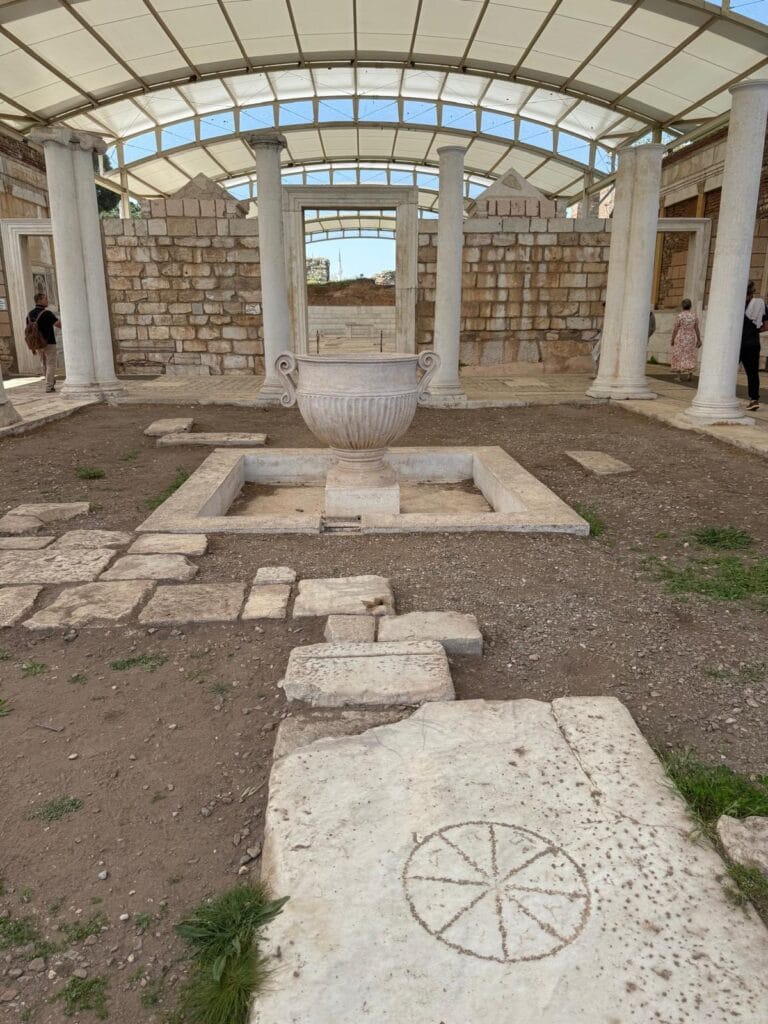
The Sardis Synagogue is one of the largest and most important ancient synagogues discovered outside Israel. Its mosaics and decorative marble details reveal the significance of the Jewish community in Roman Sardis.
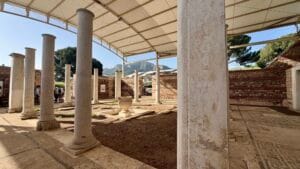
Temple of Artemis
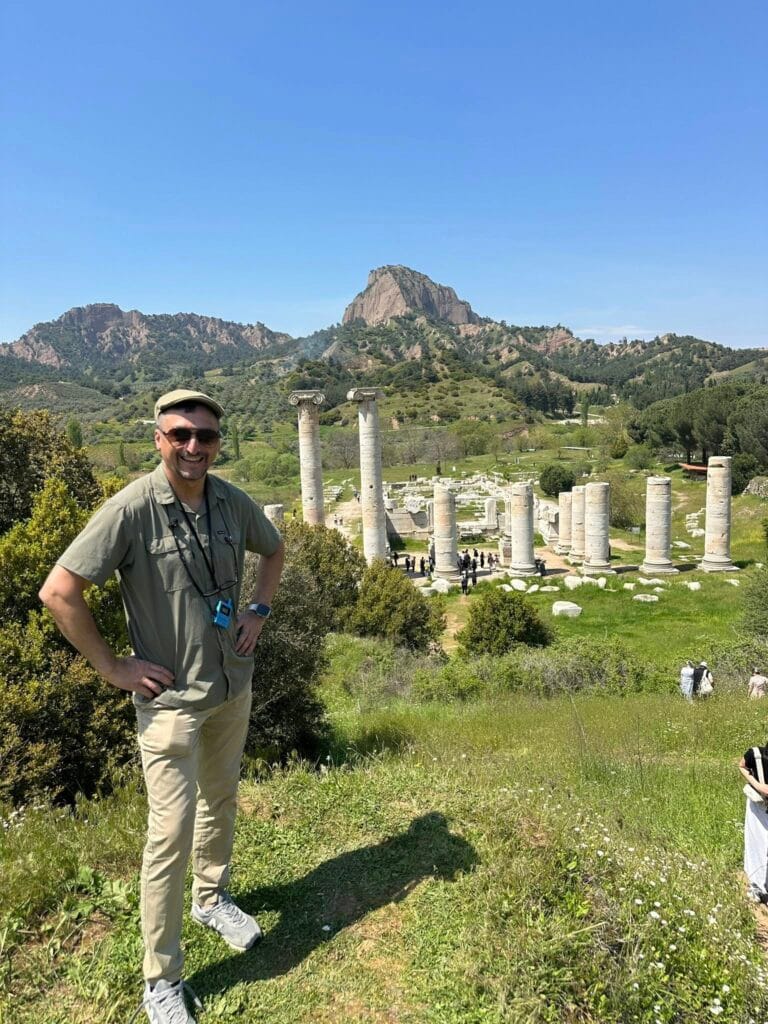
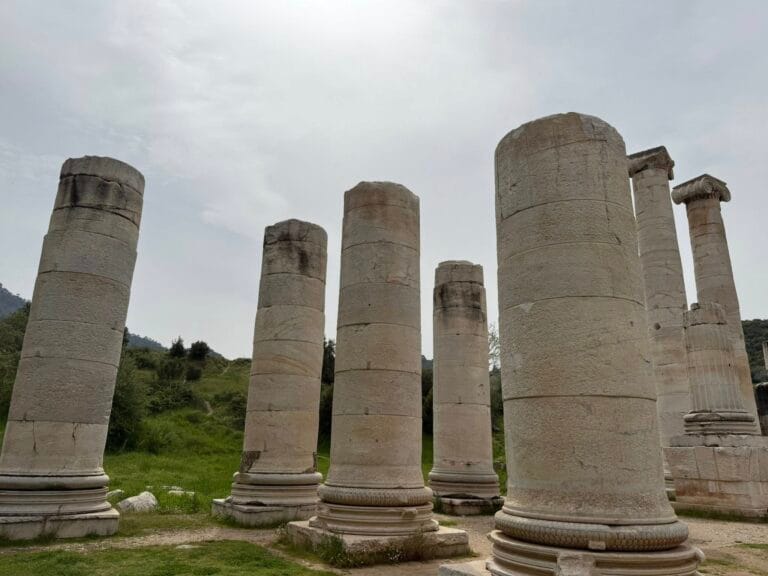
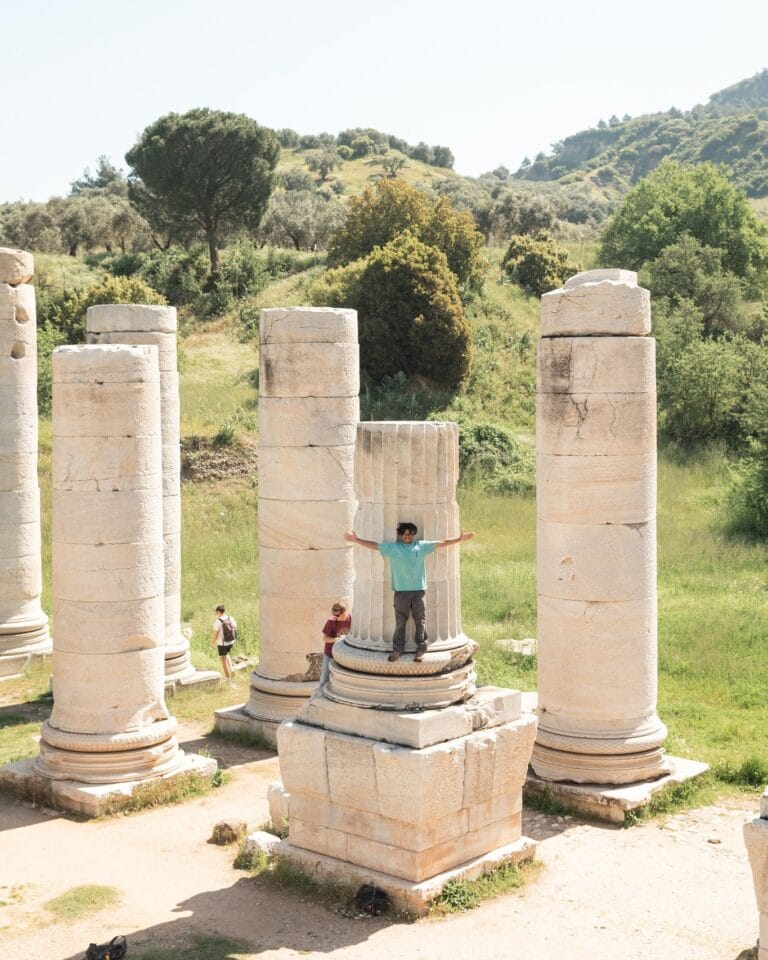
The Temple of Artemis in Sardis was one of the largest temples in Anatolia. Although never fully completed, its massive columns still dominate the landscape today.
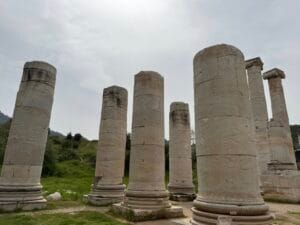
The Royal Road
Sardis marked the western starting point of the famous Persian Royal Road, which once connected Anatolia with the heart of the Persian Empire.
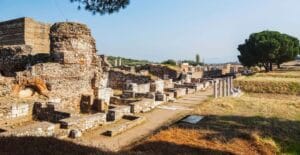
Lydian Heritage
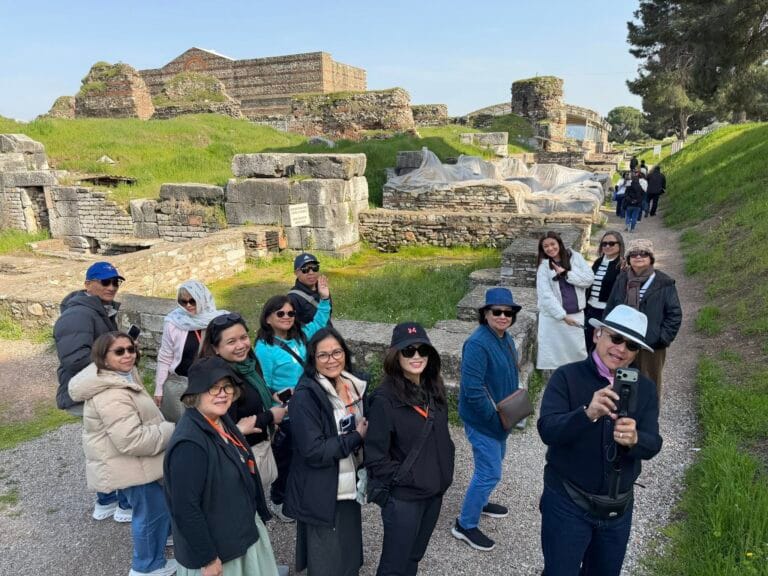
Visitors can explore remains connected to the Lydian civilization, including fortifications, ancient streets, and areas associated with the legendary wealth of King Croesus.
Why Visit Sardis Ancient City
Sardis offers visitors a very different atmosphere compared to coastal ancient cities like Ephesus.
The site combines:
- Lydian history
- Persian influence
- Roman architecture
- Jewish heritage
- early Christianity
- ancient economic history
within a single archaeological landscape.
Sardis is especially recommended for travelers interested in:
- King Croesus
- ancient coinage
- biblical history
- archaeology
- Roman baths
- ancient trade routes
- lesser-known ancient cities in Turkey
Plan Your Visit
Sardis Ancient City is located near the village of Sart in Manisa Province, approximately 90 kilometers from Izmir.
The archaeological site can easily be visited by private vehicle or guided tour from Izmir and nearby Aegean destinations.
Museum Pass Turkey is generally accepted, and opening hours may vary seasonally.
Spring and autumn are considered the best seasons to visit thanks to the mild temperatures and comfortable walking conditions.
Gallery