Ephesus Ancient City
About Ephesus Ancient City
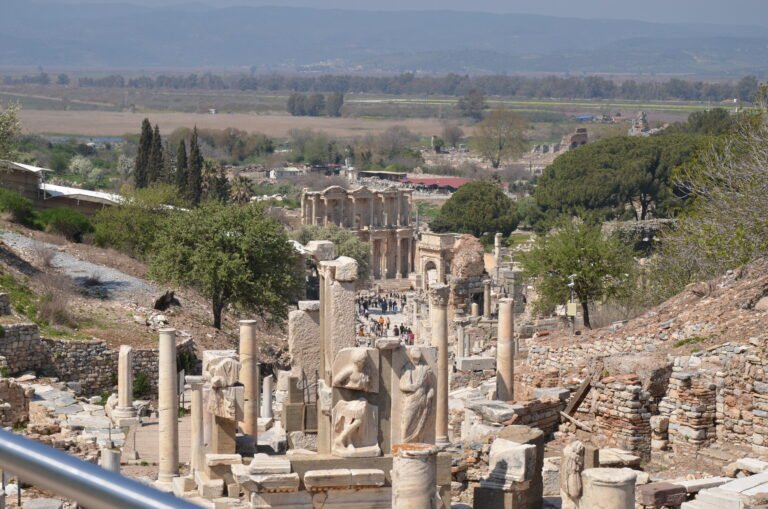
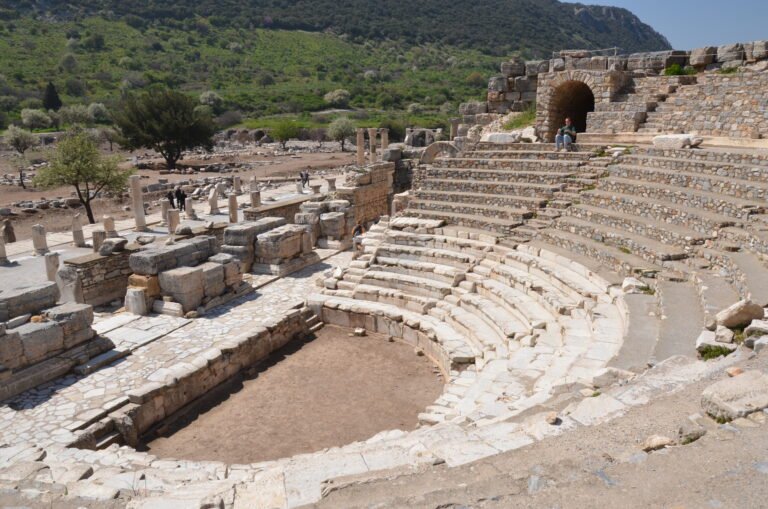
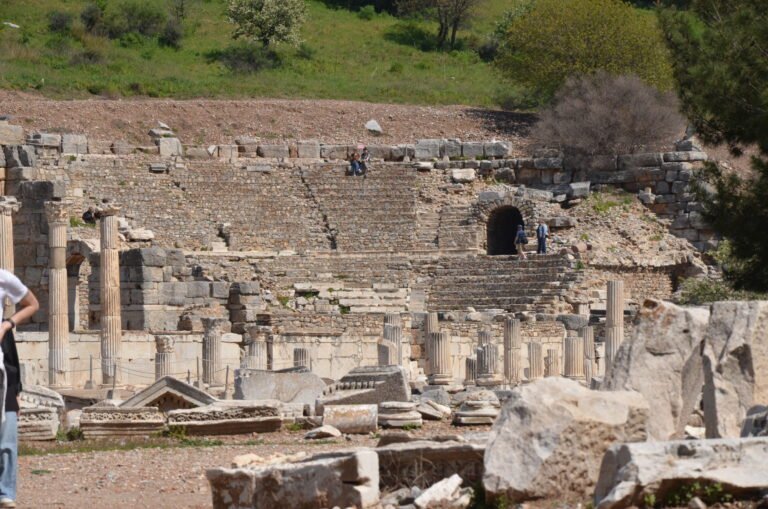
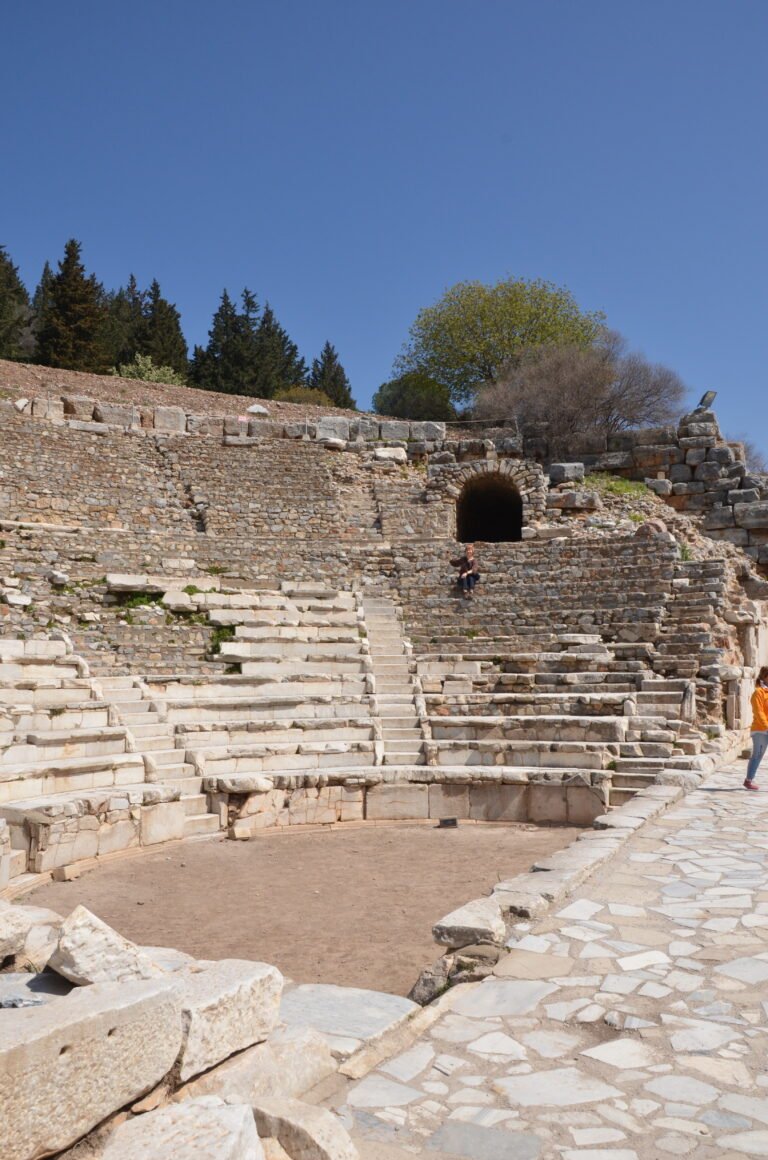
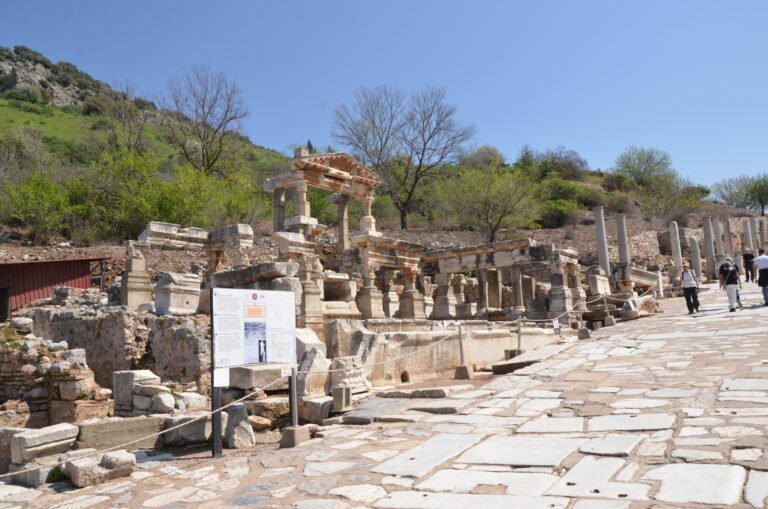
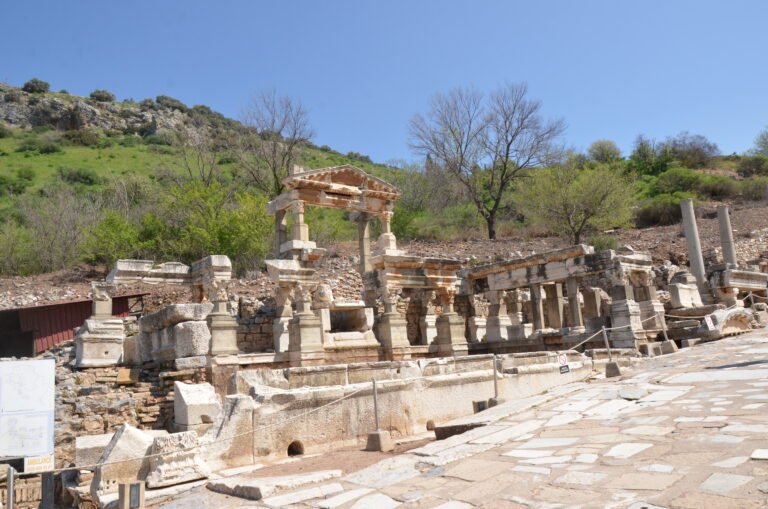
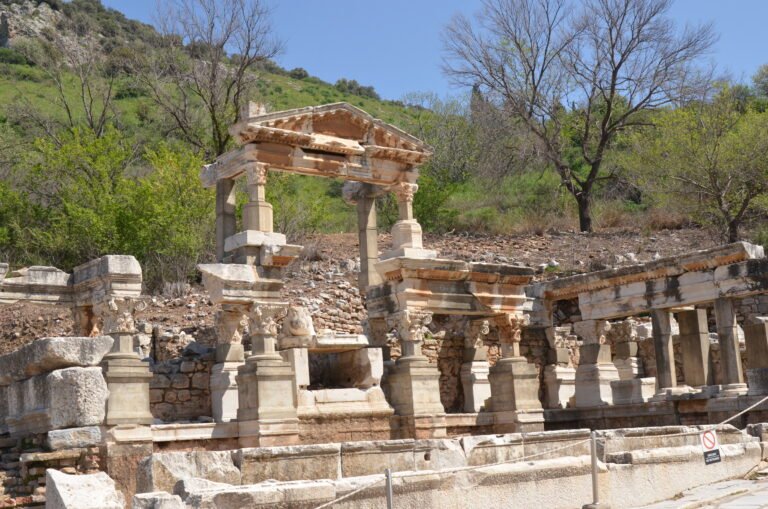
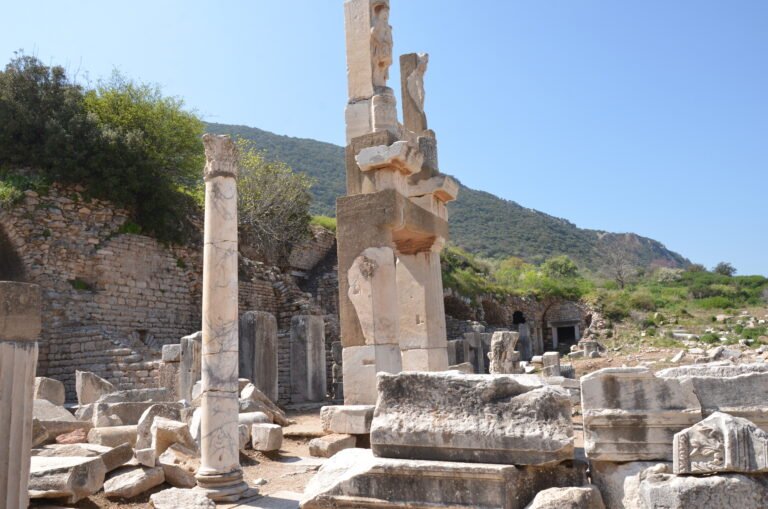
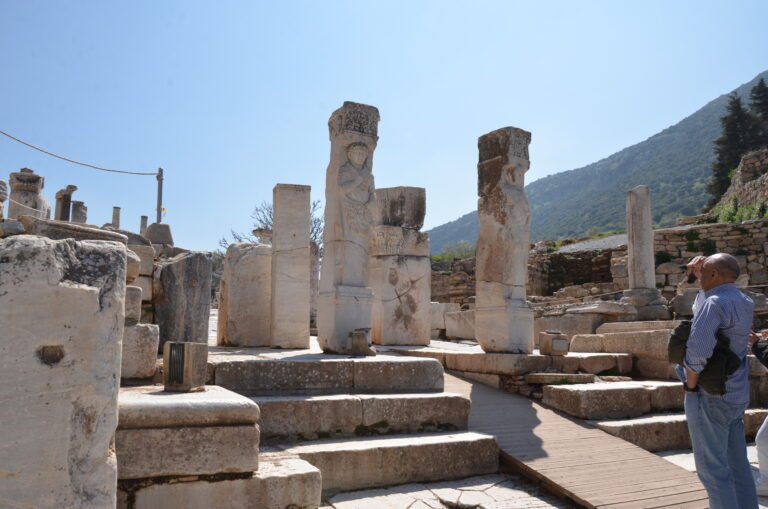
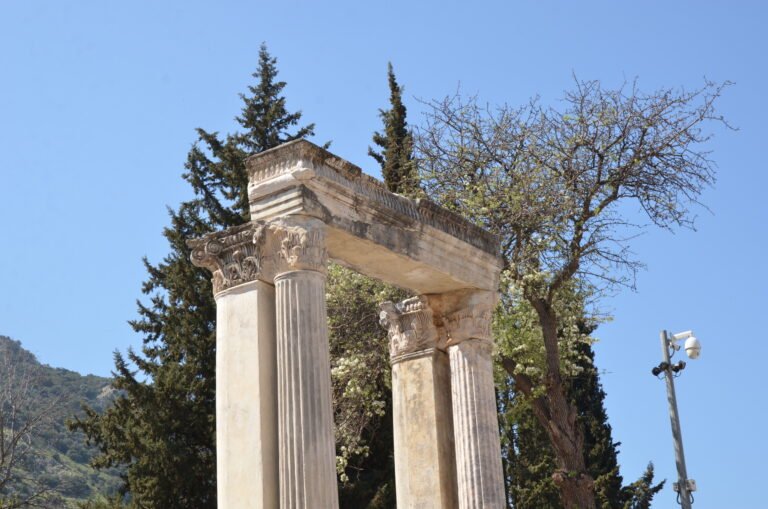
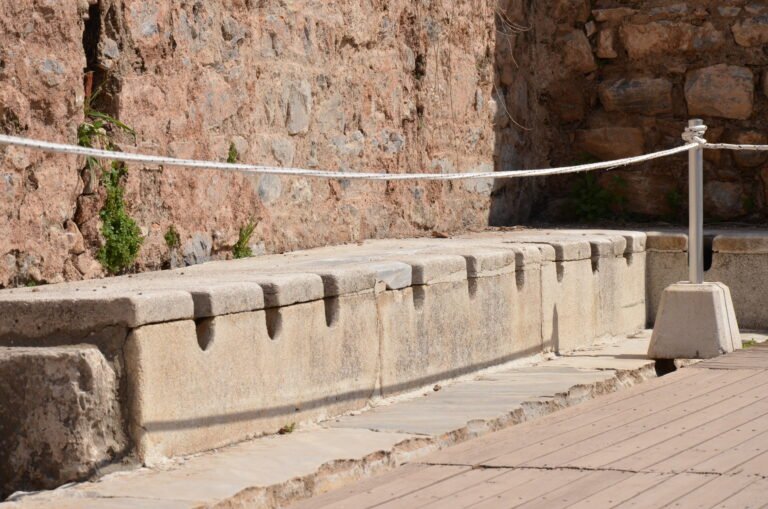
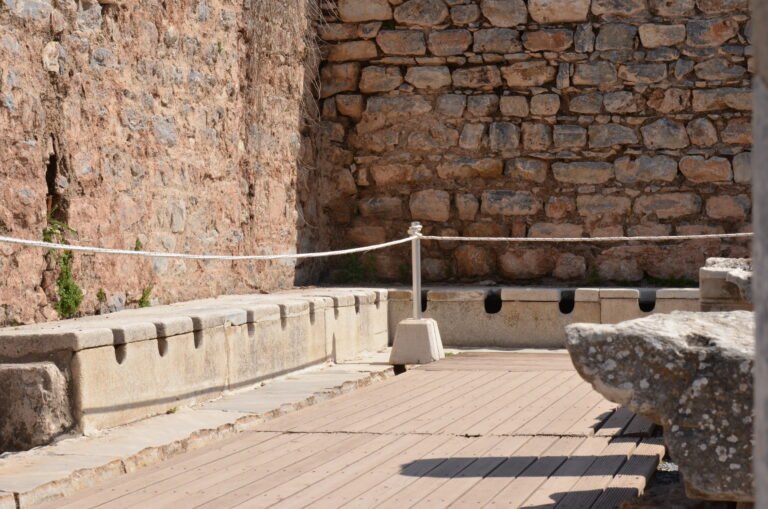
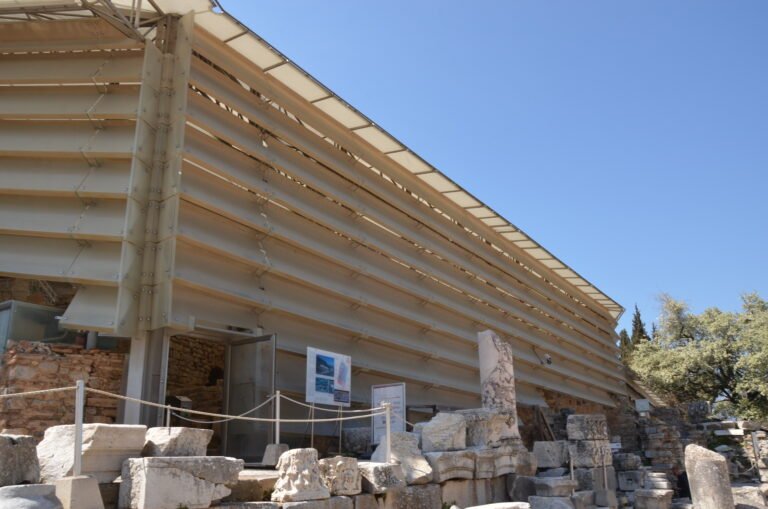
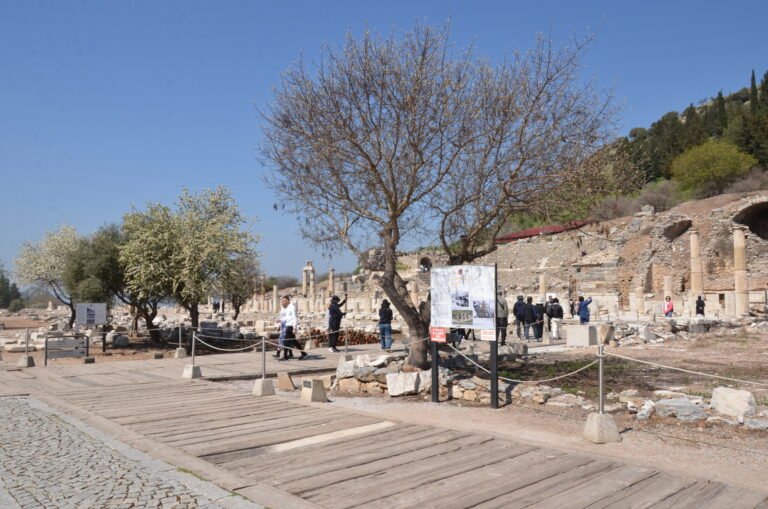
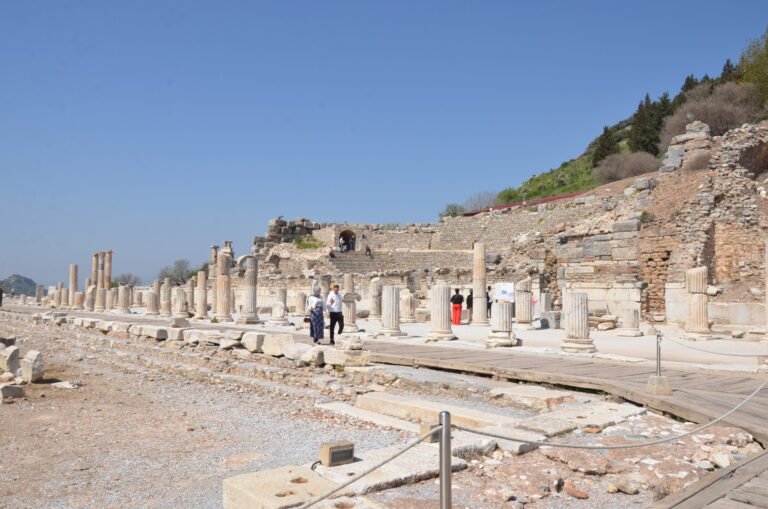
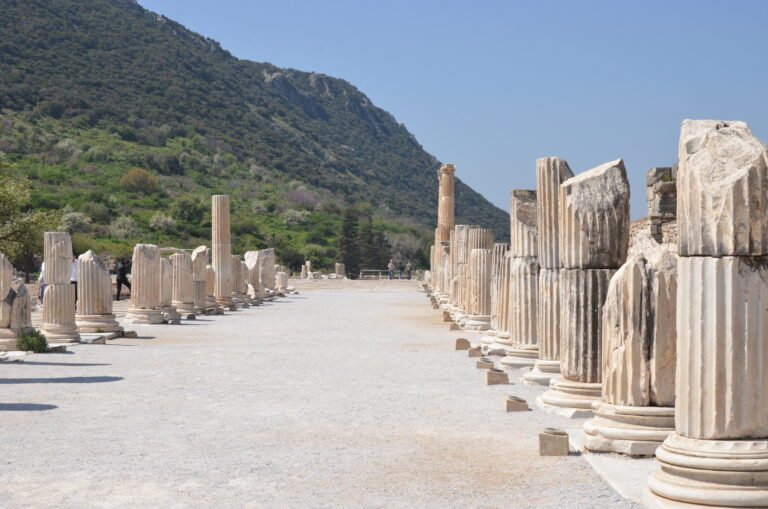
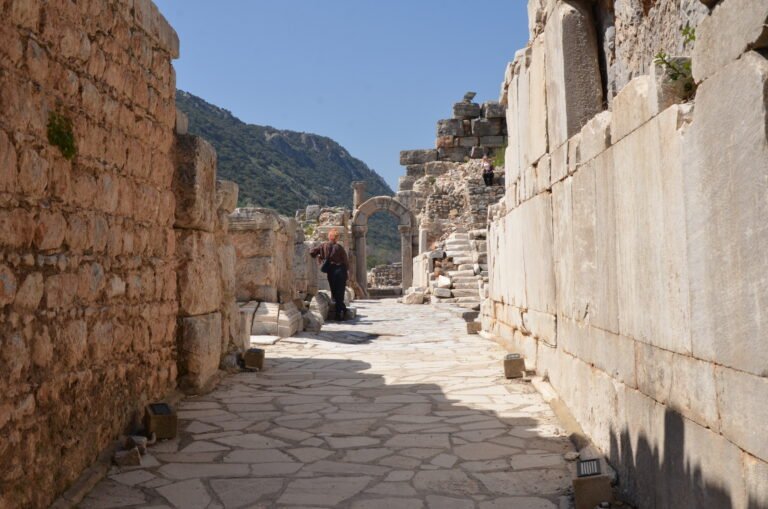
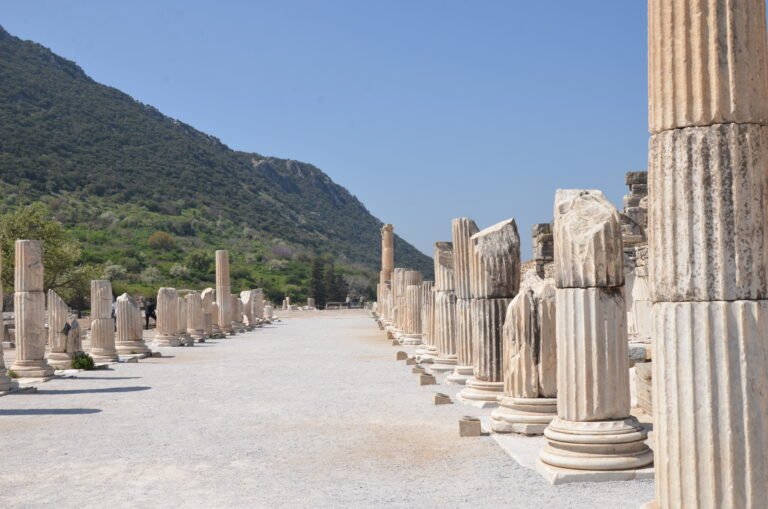
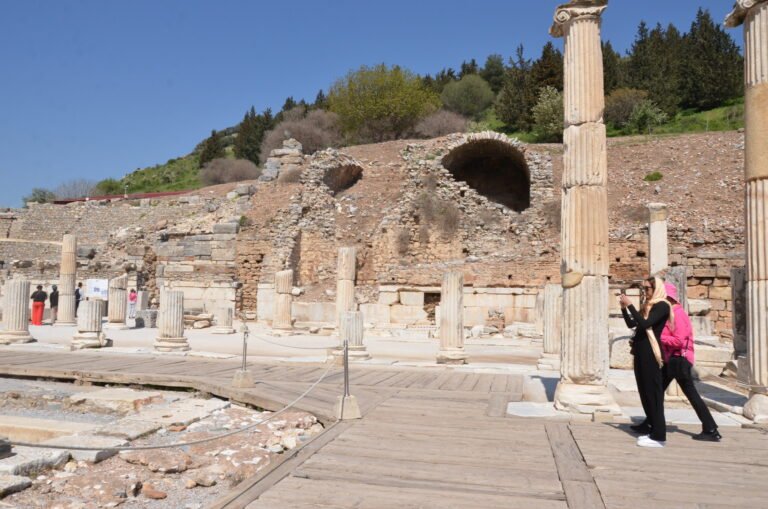
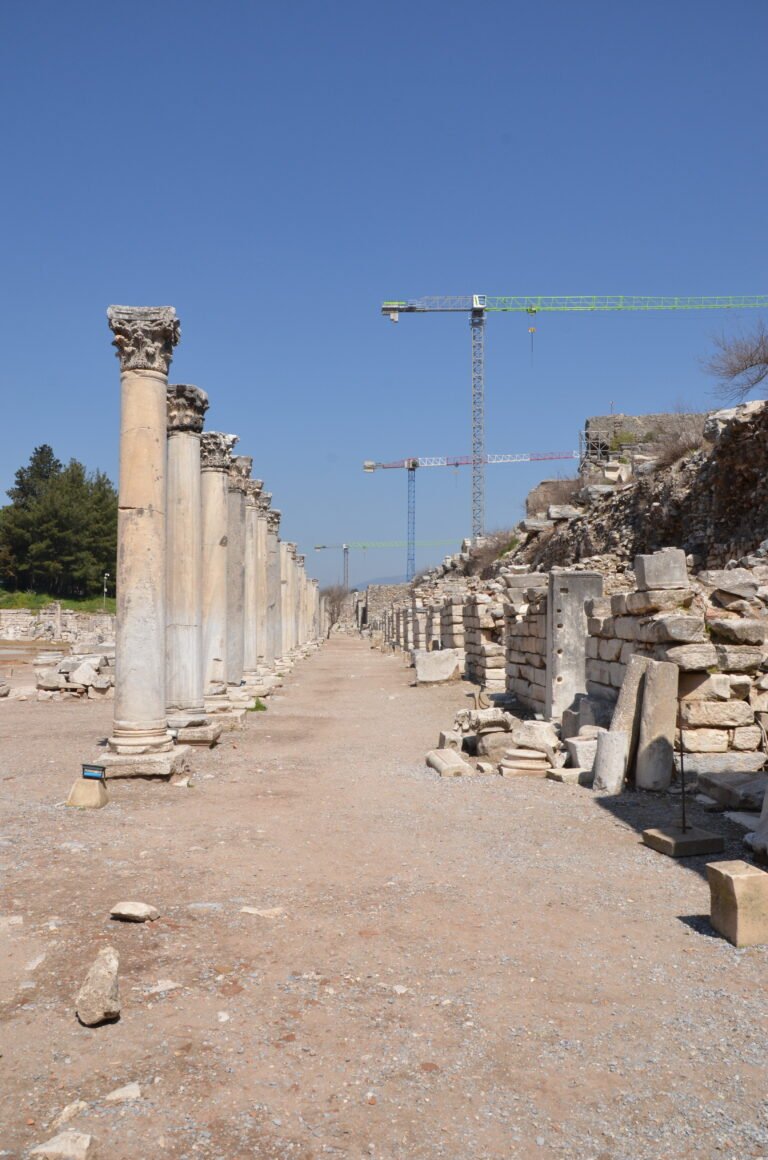
Located near the modern town of Selcuk, Izmir Province in western Turkey, Ephesus Ancient City is one of the most extraordinary archaeological sites in the Mediterranean world. Once a powerful Greek and Roman metropolis, Ephesus was an important center of trade, religion, politics and culture for centuries. Today, it welcomes millions of visitors every year who come to walk through its marble streets and experience the atmosphere of the ancient times.
Recognised as a UNESCO World Heritage Site, Ephesus is famous for its remarkably preserved monuments, monumental architecture and deep historical significance connected to both classical antiquity and early Christianity.
The History of Ephesus Ancient City
Few cities in the ancient world carried the same influence, wealth and cultural importance as Ephesus Ancient City. Located on the western coast of Anatolia near modern-day Selcuk, Ephesus stood at the crossroads of civilizations for thousands of years. It was not only one of the greatest cities of the Greek and Roman world, but also a place where mythology, religion, politics, commerce and early Christianity became deeply intertwined.
Today the ruins of Ephesus Ancient City still preserve the city’s memories that once shaped the history of the Mediterranean.
Mythological Origins of Ephesus
The origins of Ephesus are surrounded by mythology and legend. Ancient writers such as Strabo connected the foundation of the city to the Amazons, the legendary female warriors of Greek mythology. According to tradition, these warrior women once inhabited the region and established early worship connected to Artemis, the city’s most important goddess.
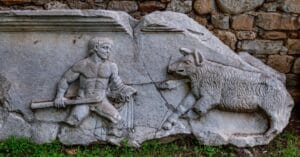
Another tradition attributes the foundation of Ephesus to Androclus, the son of Codrus, the last king of Athens. Guided by an oracle, Androclus wsa told to establish a city where he would encounter a fish and a boar. According to legend, this prophecy was fulfilled near the Ephesian harbor, where Androclus killed a wild boar and founded the city.
These myths became deeply embedded in the identity of Ephesus, giving the city not only an origin story but also a sense of divine legitimacy and heroic ancestry.
The Earliest Settlements in Ephesus
Although mythology shaped the cultural memory of Ephesus Ancient City, archaeological discoveries reveal that the region’s history stretches back much further. Evidence of Mycenaean graves and Bronze Age settlements indicates continuous habitation in the area as early as the second millennium BC.
Some scholars associate Ephesus with the ancient settlement of ”Apasa”, mentioned in Hittite texts connected to the Kingdom of Arzawa. Over time, the region evolved into one of the most important Ionian Greek cities on the western coast of Anatolia.
By around the 8th century BC, Ephesus had become a major member of the Ionian League, a confederation of twelve important Ionian cities.
The Temple of Artemis and the Rise of the City
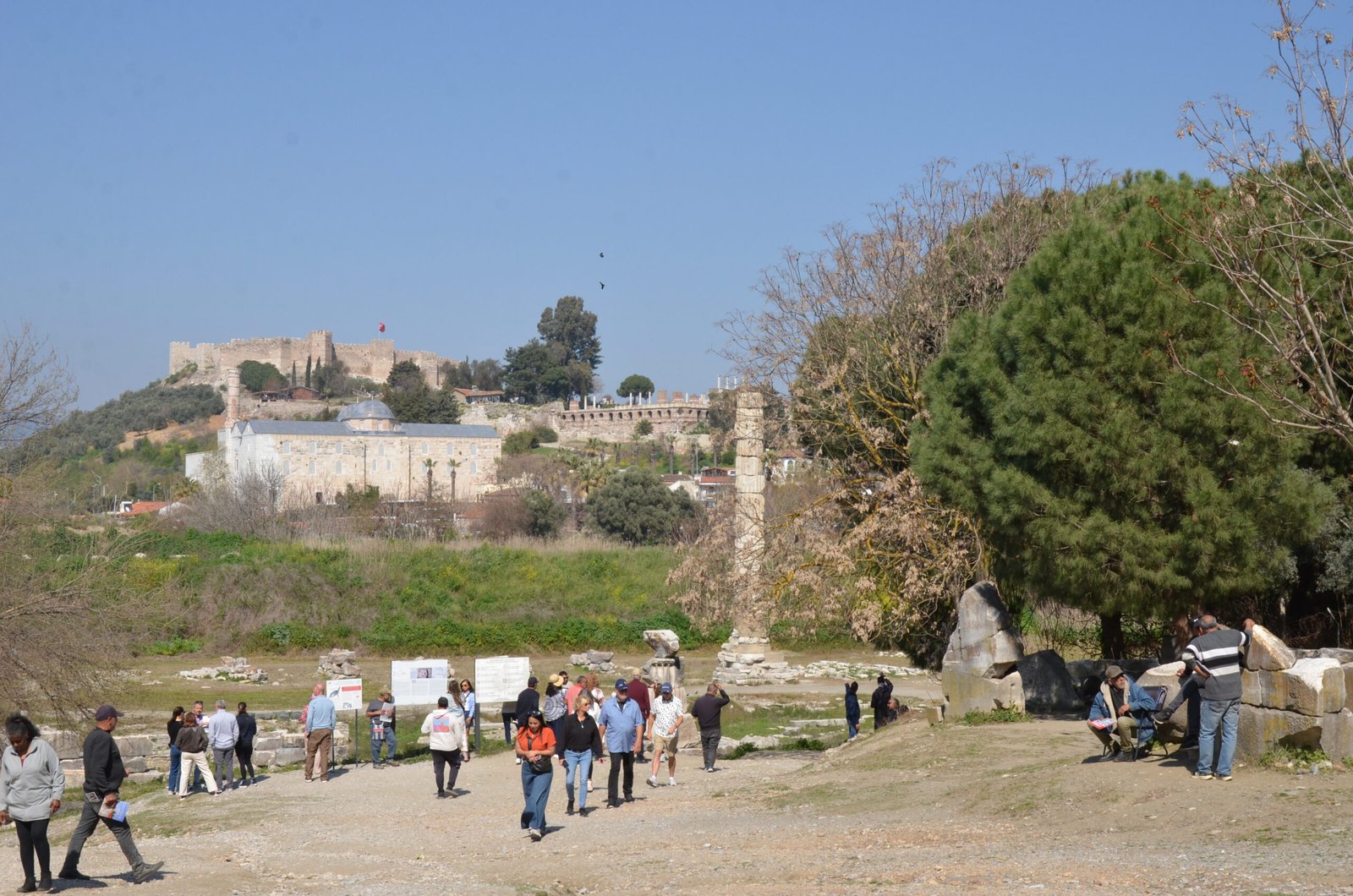
Religion played a defining role in the growth of Ephesus Ancient City. At the center of the city’s identity stood the Temple of Artemis, one of the Seven Wonders of the Ancient World.
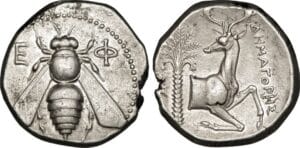
Artemis of Ephesus was not simply a Greek goddess but a unique local deity whose cult blended Anatolian traditions with Greek religion. Her sacred animal, the deer becamae one of the city’s most recognizable symbols, while bees also played an important religious role. The priestesses of Artemis were calles melissai, meaning ”bees” and bee imagery frequently appeared on Ephesus coins.
During the 6th century BC, the Lydian king Croesus sponsored the construction of the great Artemision, helping transform Ephesus into one of the most important religious centers of antiquity.
Persian, Greek and Hellenistic Rule
After the defeat of Croesus by Cyrus the Great, Ephesus came under Persian control. Over the following centuries, the city repeatedly shifted between Persian and Greek influence during the conflicts that shaped the eastern Mediterranean.
A major turning point came in 334 BC when Alexander the Great entered Ephesus after defeating the Persians. His arrival marked the beginning of a new Hellenistic era for the city.
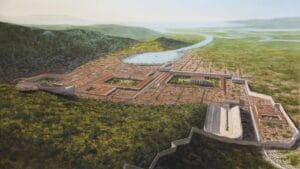
Following Alexander’s death, one of his generals, Lysimachus, radically transformed Ephesus. Due to flooding and unhealthy conditions around the old settlement near the Temple of Artemis, the city was relocated between Mount Panayir and Mount Bulbul. Massive defensive walls were constructed and the city was redesigned according to the Hippodamian grid plan, reflecting the ideals of Hellenistic urban planning.
This relocation laid the foundation for the Ephesus visible today.
Roman Ephesus: The Golden Age
When Rome reorganised Asia Minor in 129 BC, Ephesus became the capital of the Roman province of Asia. Under Roman rule, the city entered its golden age and developed into one of the largest and wealthiest cities in the Mediterranean world.
Its harbor connected Anatolia with the Aegean and beyond, turning Ephesus into a major commercial center. Merchants, philosophers, diplomats, and travelers moved through its streets, while monumental buildings reflected the prosperity and prestige of the city.
What to See in Ephesus Ancient City
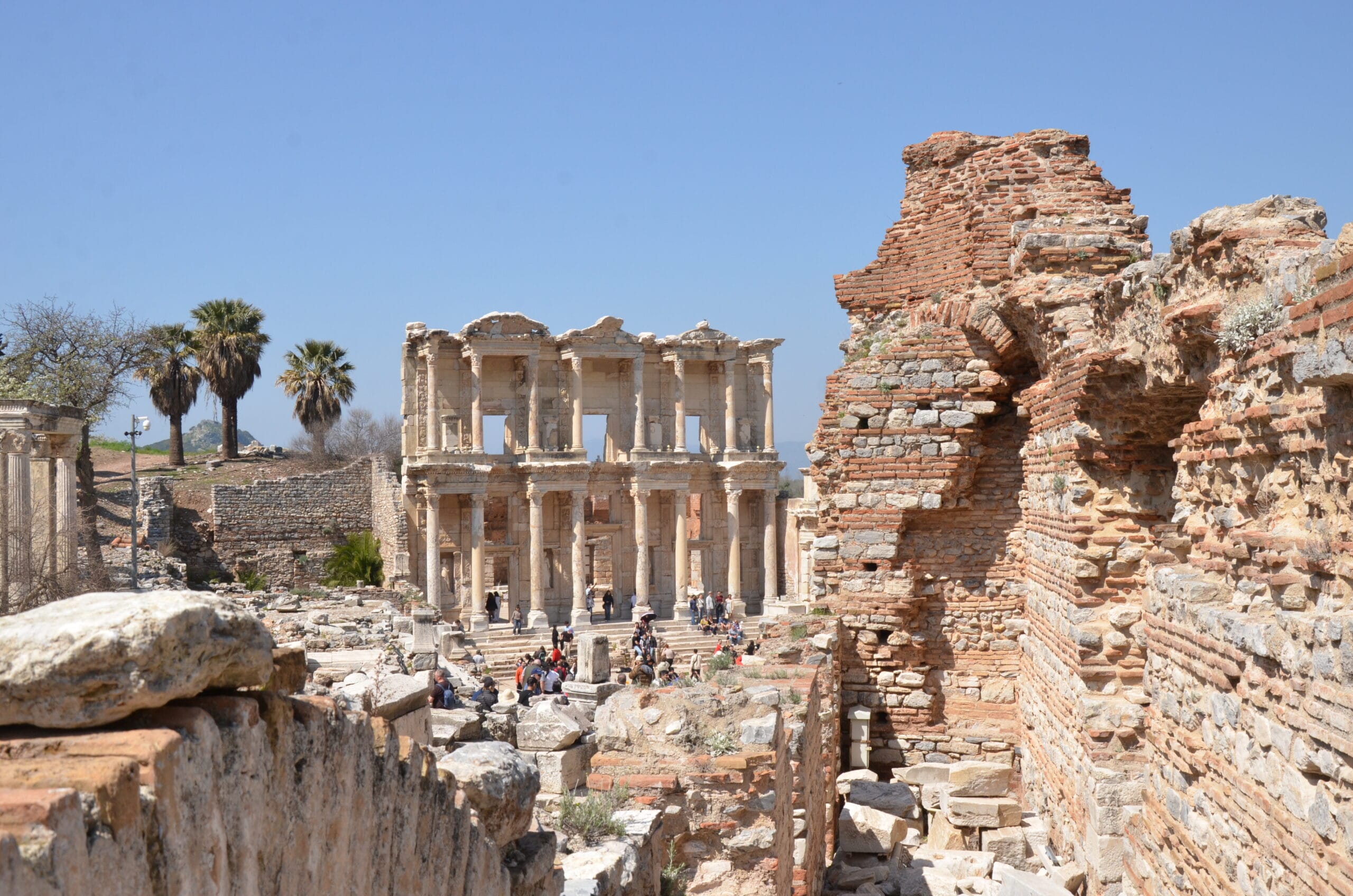
Many of the famous structures seen today were built during this period:
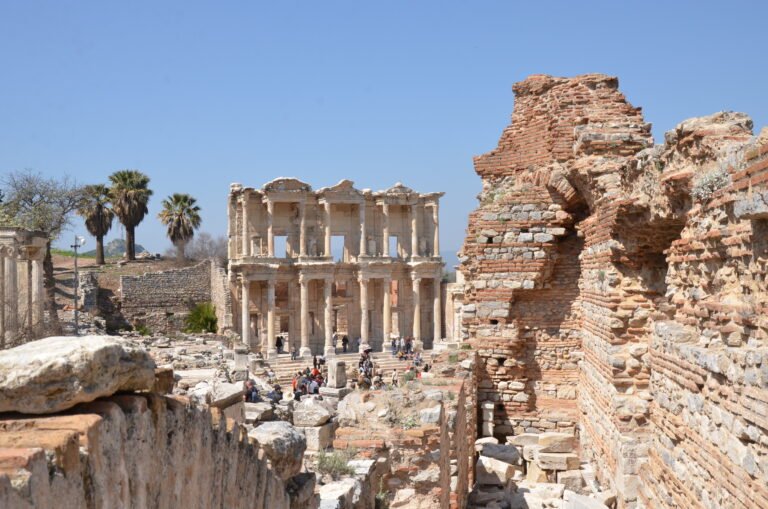
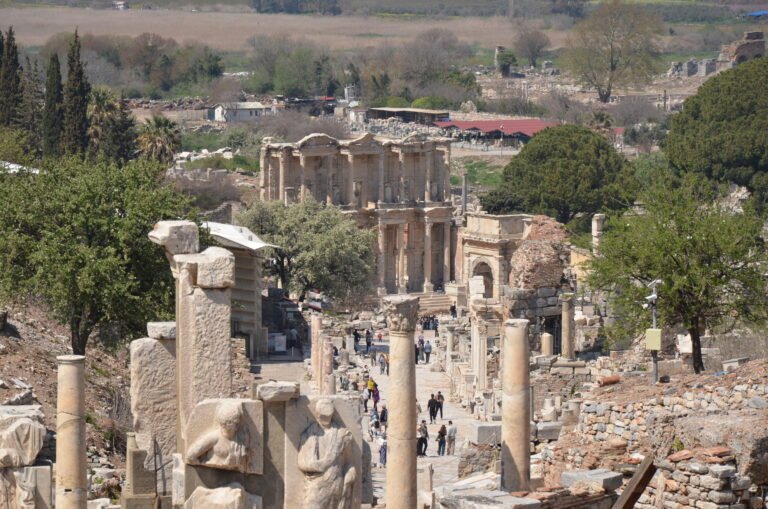
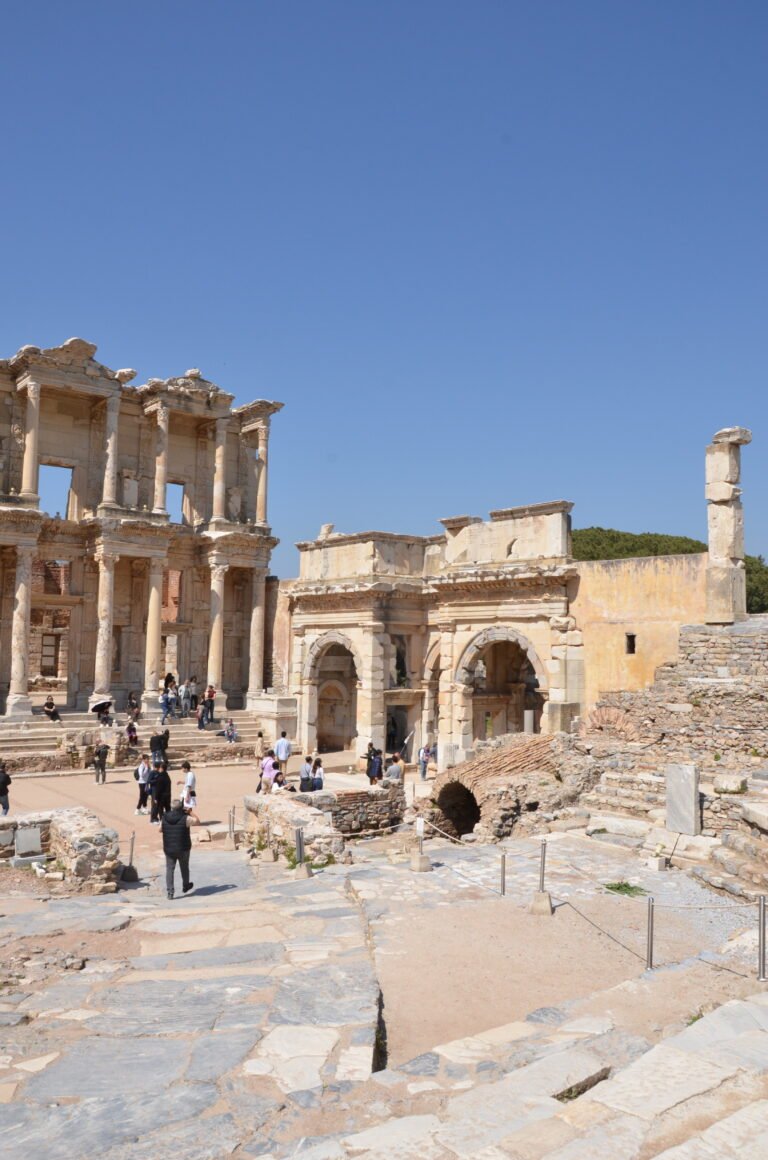
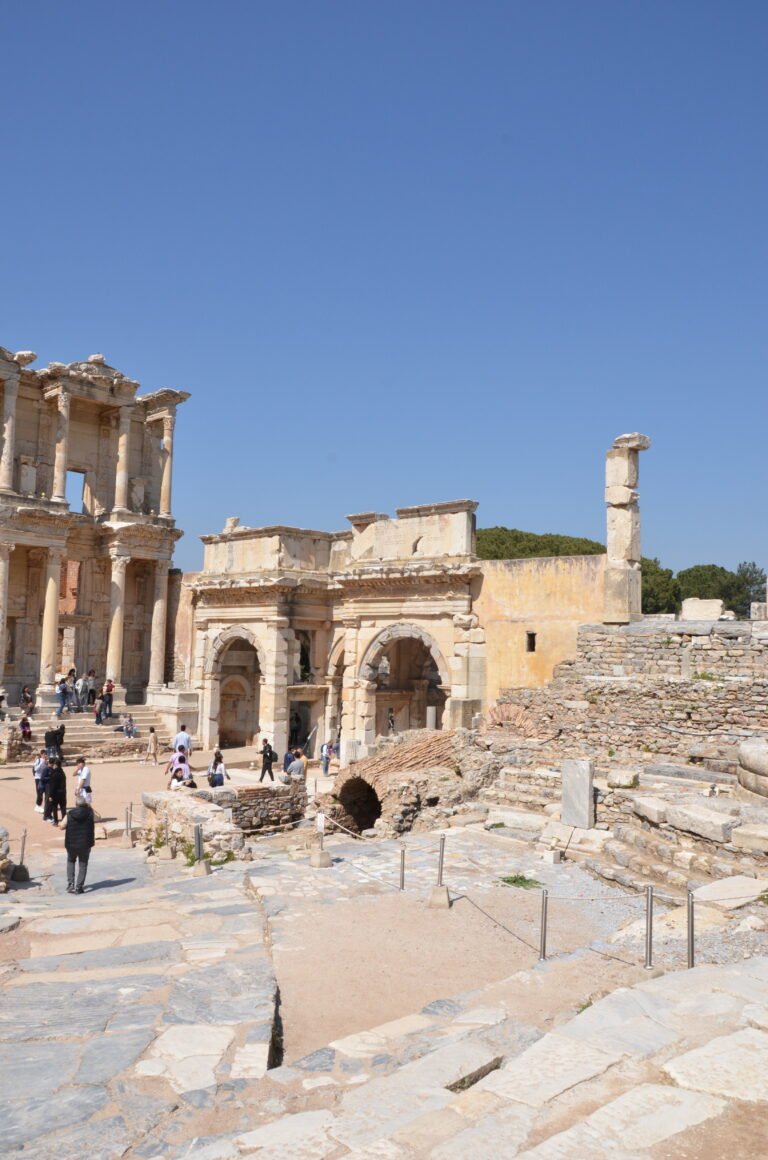
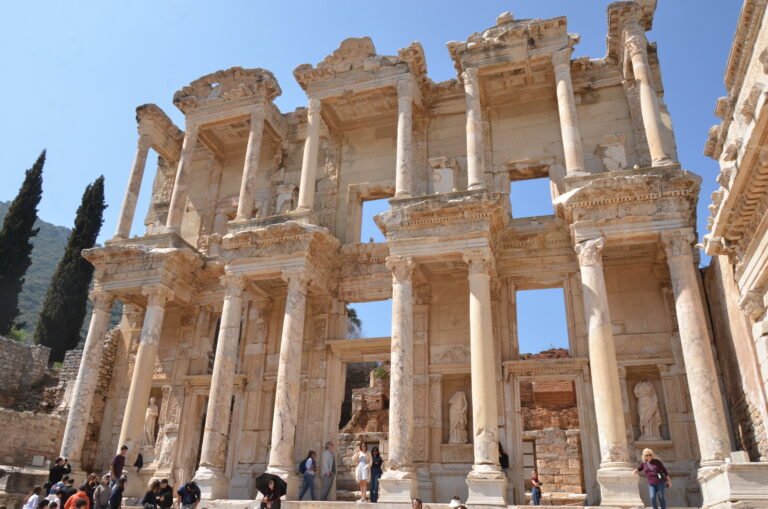
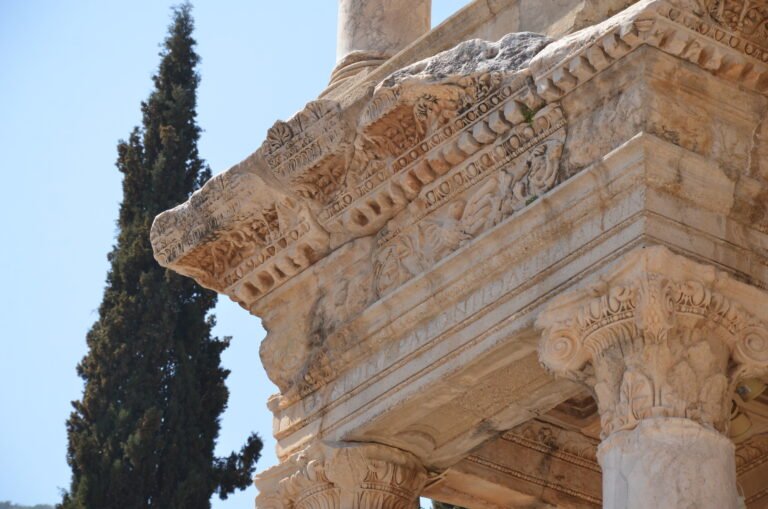
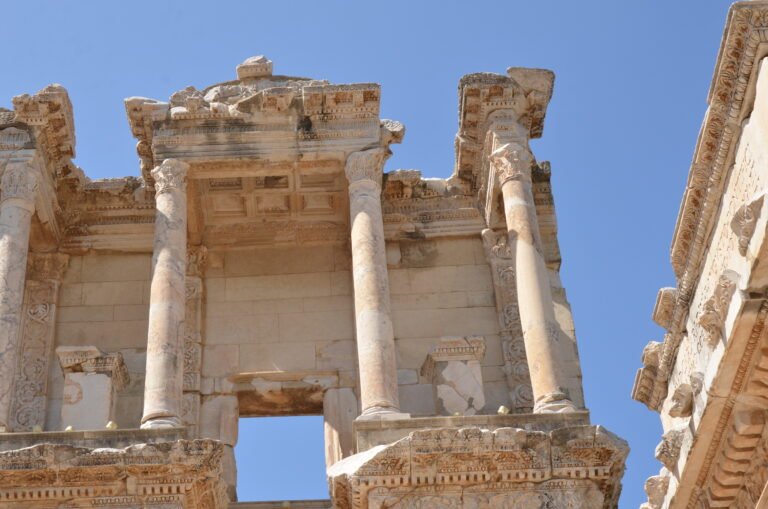
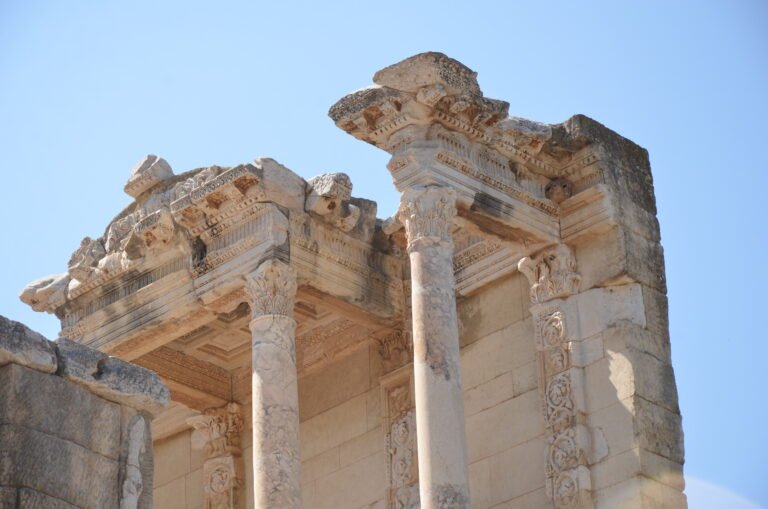
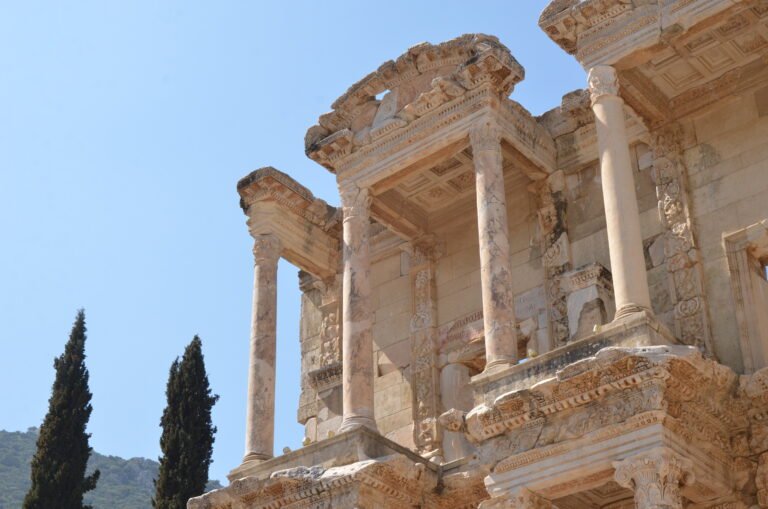
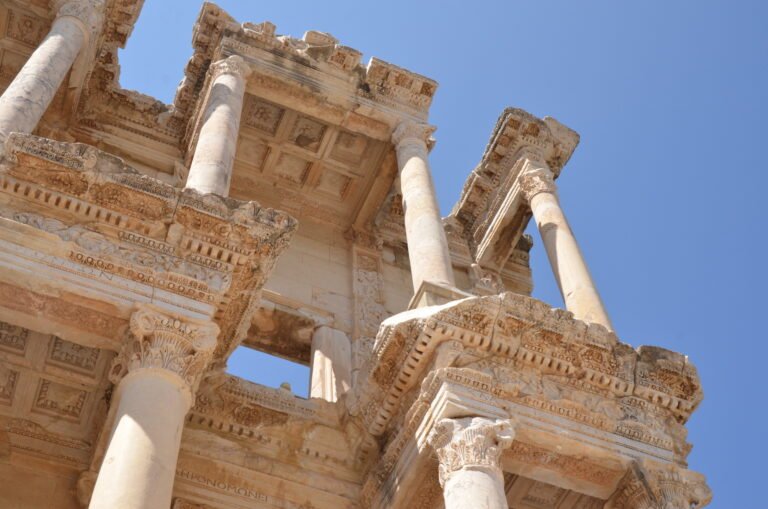
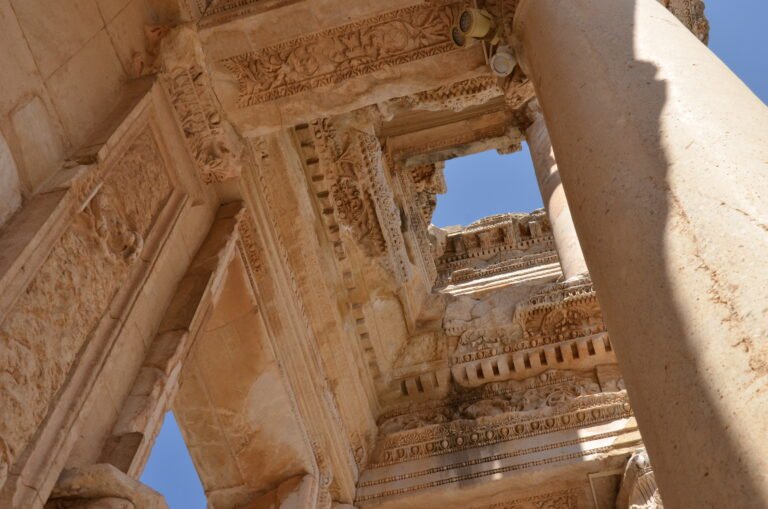
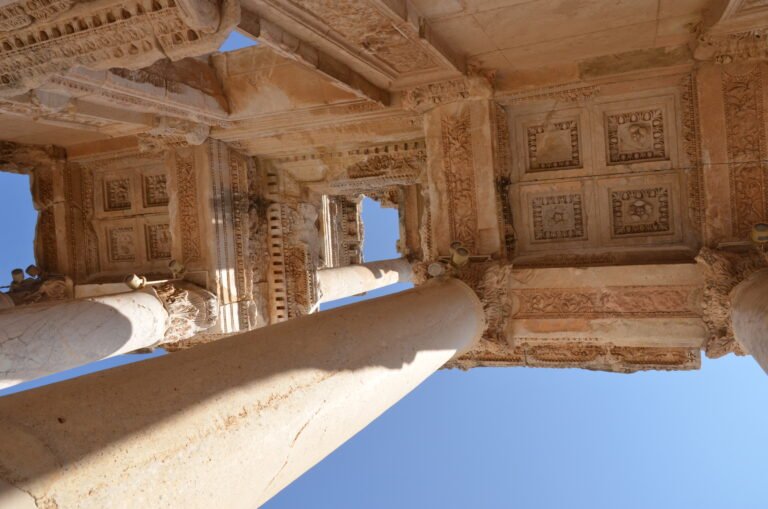
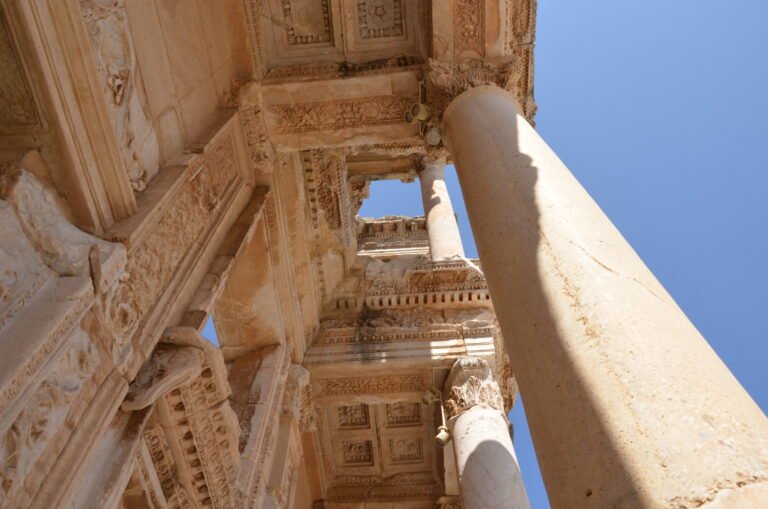
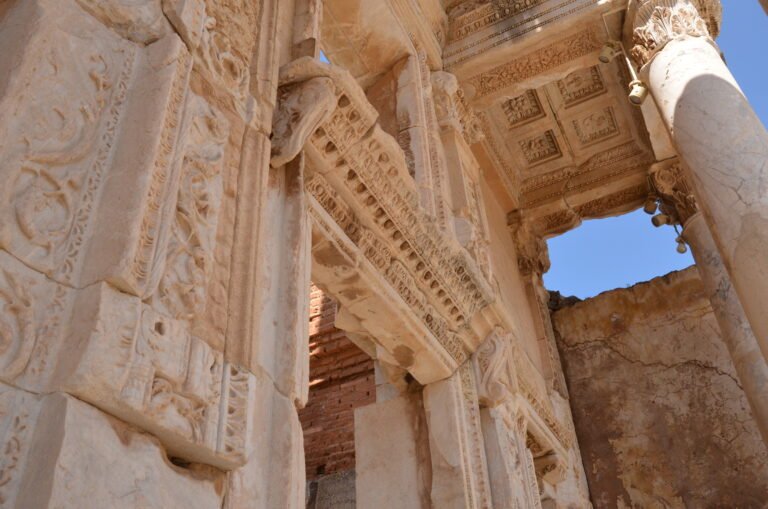
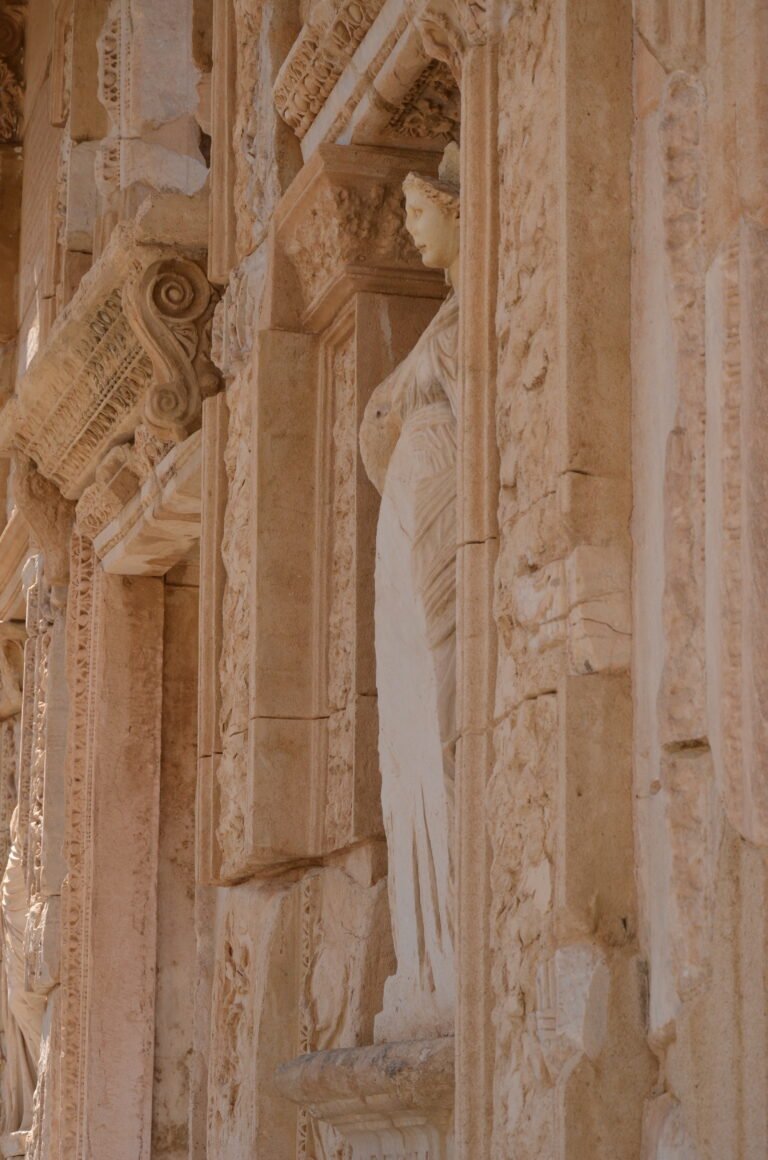
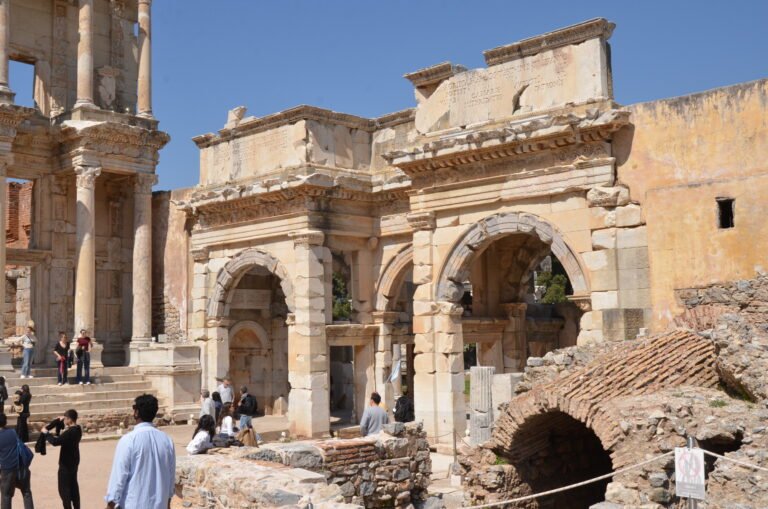
- The Library of Celsus
- The Great Theatre
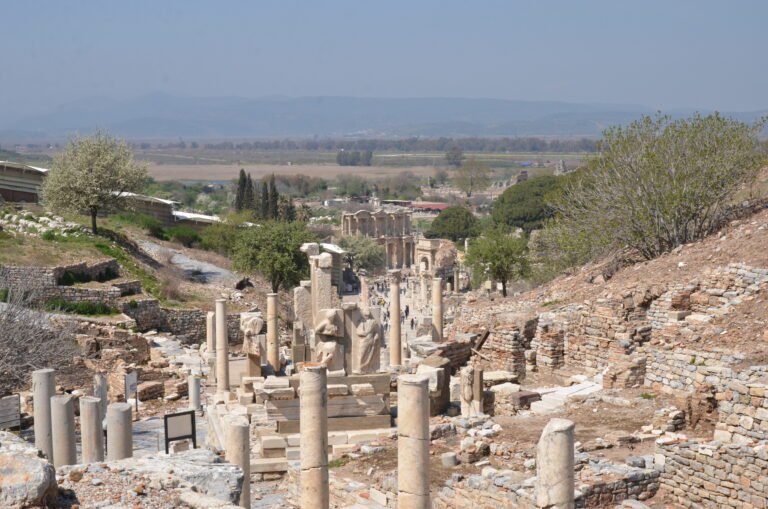
- Curetes Street
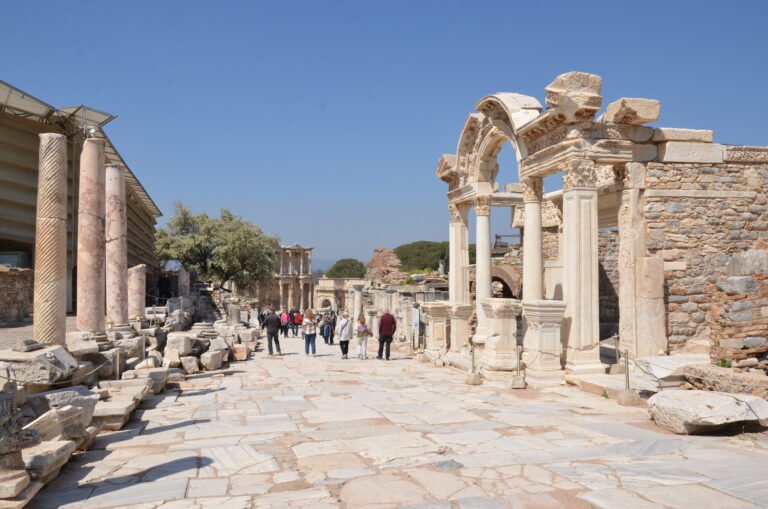
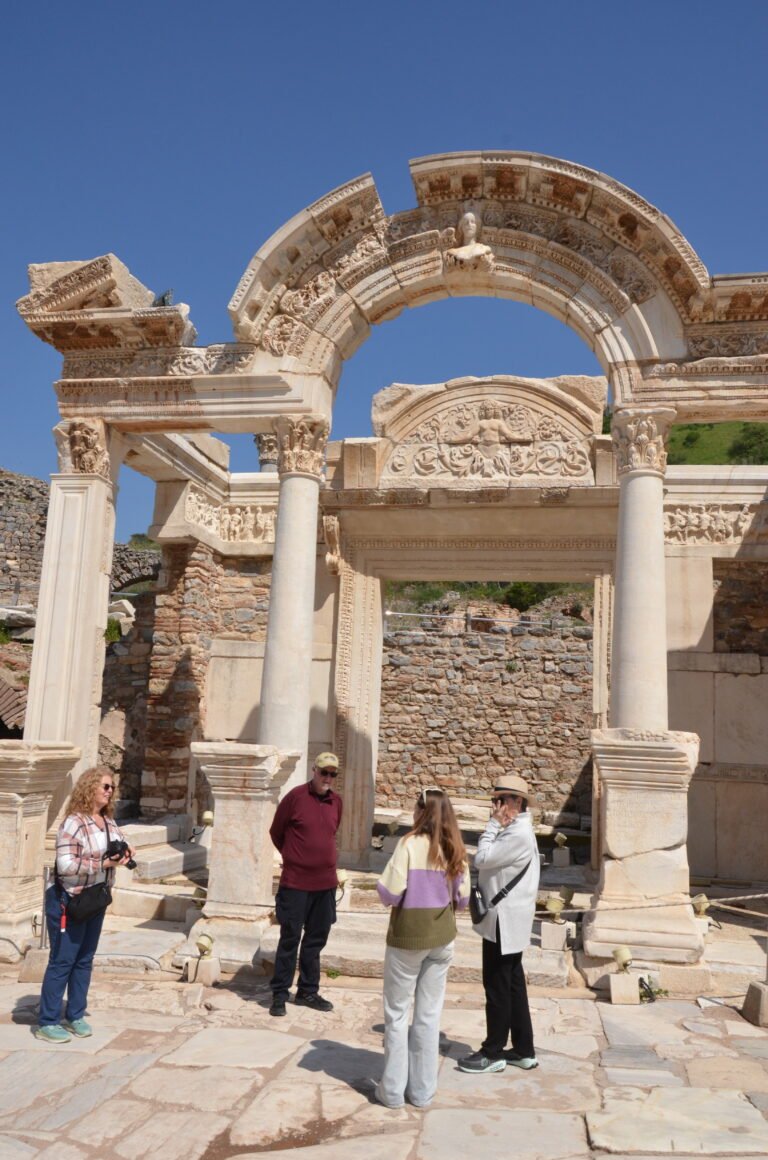
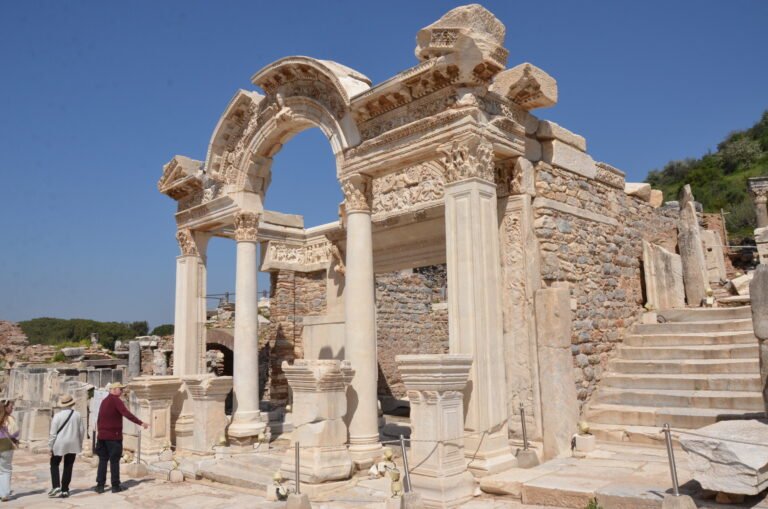
- The Temple of Hadrian
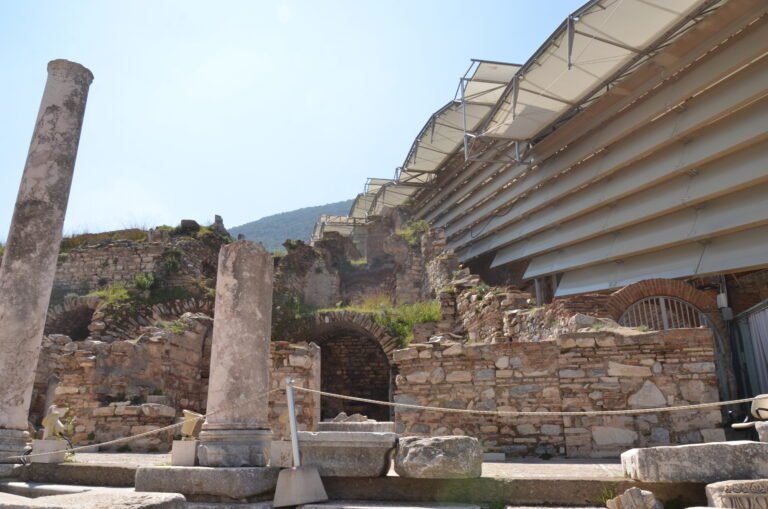
- The Terrace Houses
- Monumental baths, fountains, and agoras
At its height, Ephesus may have reached a population of more than 250,000 inhabitants, making it one of the greatest cities of the Roman East.
Yet despite Roman political control, the city retained a deeply Greek cultural identity. Greek remained the primary language of daily life, philosophy, and education.
Ephesus and Early Christianity
Ephesus also became one of the most influential cities in the history of early Christianity.
Saint Paul spent nearly three years preaching in Ephesus, longer than in any other city mentioned in the New Testament. His teachings created major tensions with those connected to the cult of Artemis, especially the silversmiths whose trade depended on religious tourism surrounding the temple.
The Great Theatre of Ephesus is traditionally associated with the famous riot described in the Acts of the Apostles.
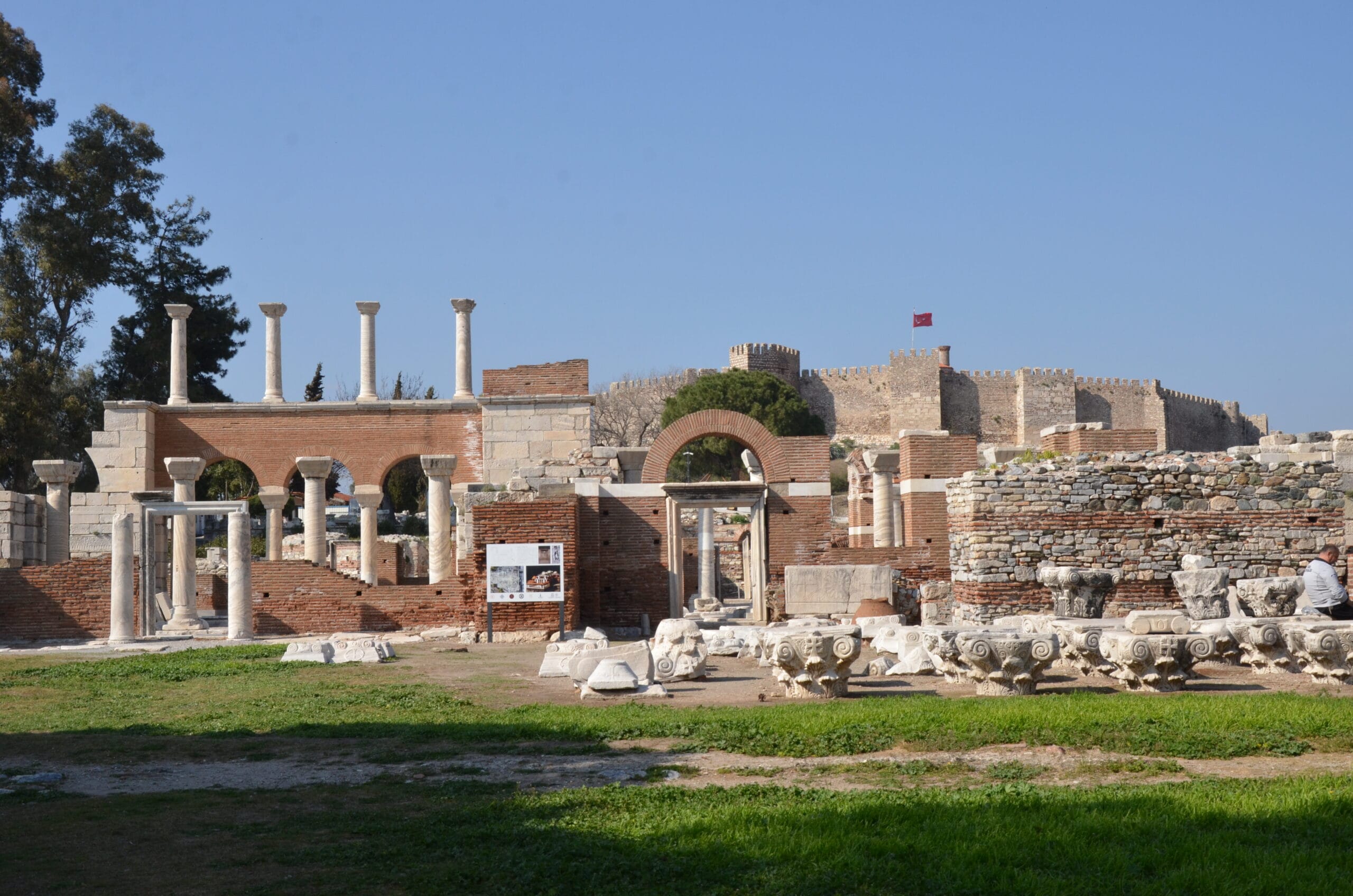
Christian tradition further associates Ephesus with Saint John, who is believed to have spent the final years of his life in the city. The Basilica of St. John in nearby Selcuk was later built over his believed burial place.
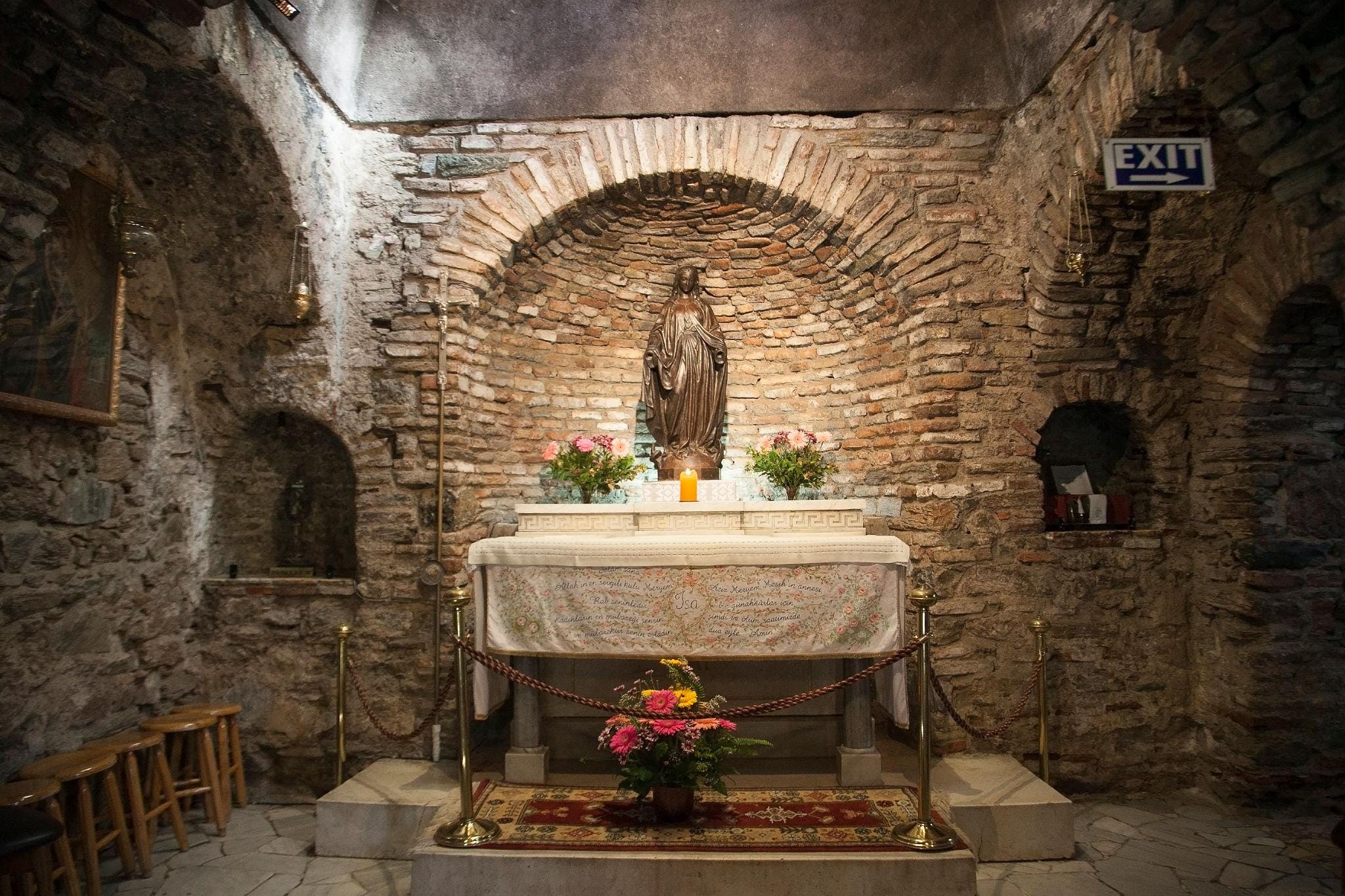
According to another long-standing tradition, the Virgin Mary also spent her final years near Ephesus, in what is now known as the House of the Virgin Mary.
Several books of the New Testament are directly connected to Ephesus, making the city one of the most important spiritual centers of early Christianity.
Decline and Legacy
Over time, the silting of the harbor gradually weakened the economy of Ephesus. Repeated earthquakes, invasions, and changing trade routes contributed to the city’s decline during the Byzantine period.
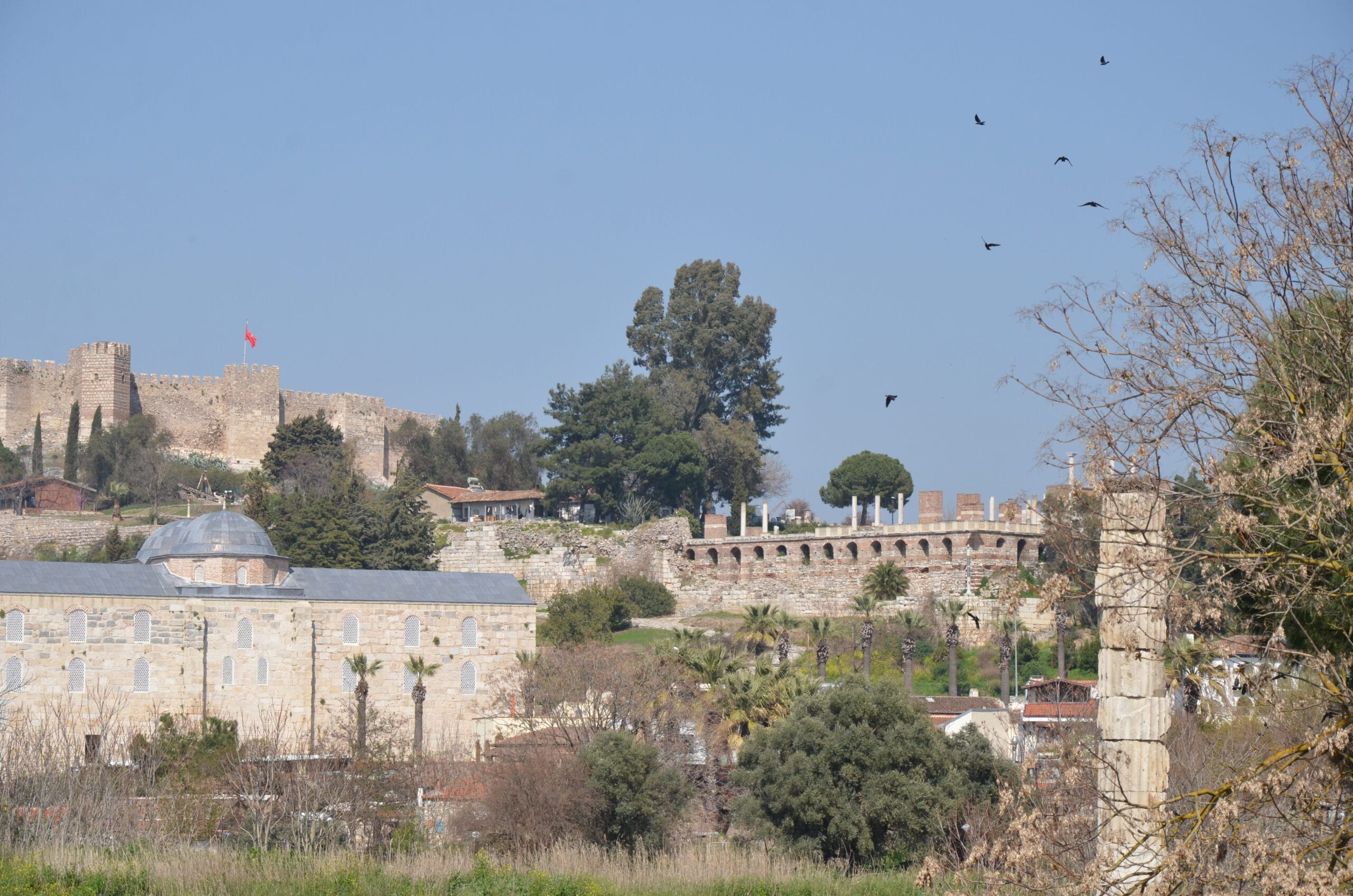
As the harbor moved farther inland, the population slowly shifted toward Ayasuluk Hill, near modern Selcuk. Eventually, the once-great metropolis was abandoned.
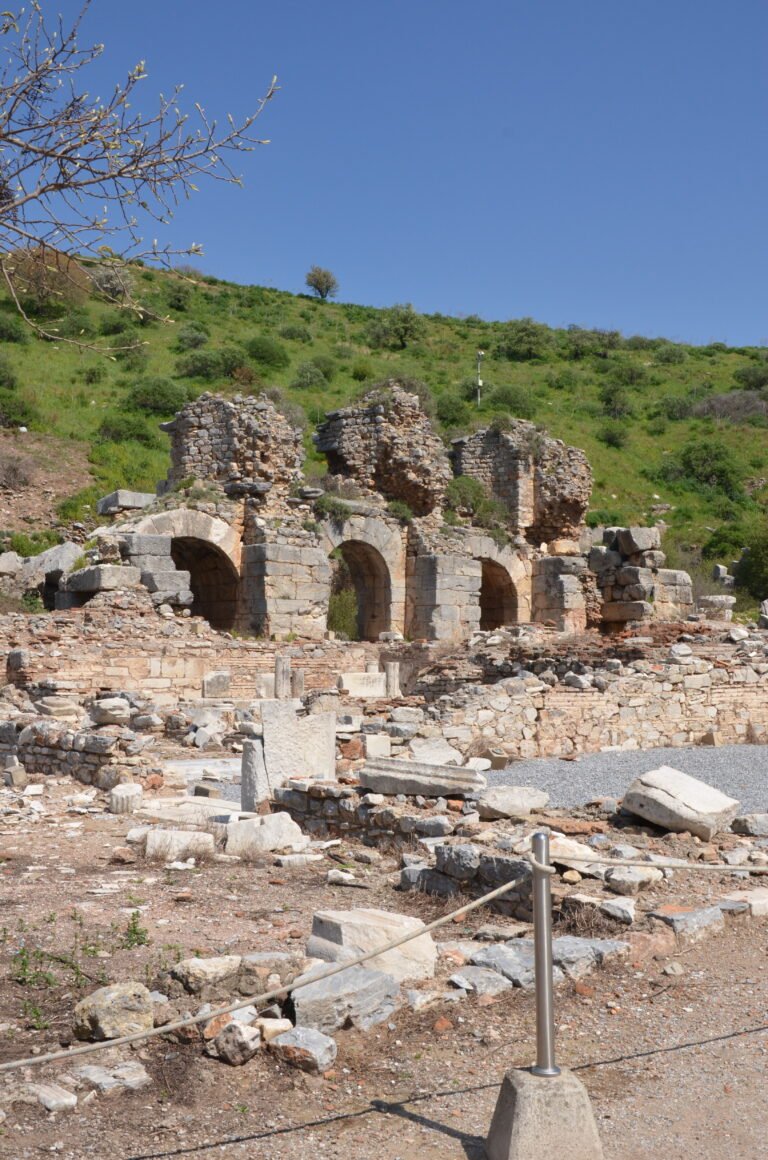
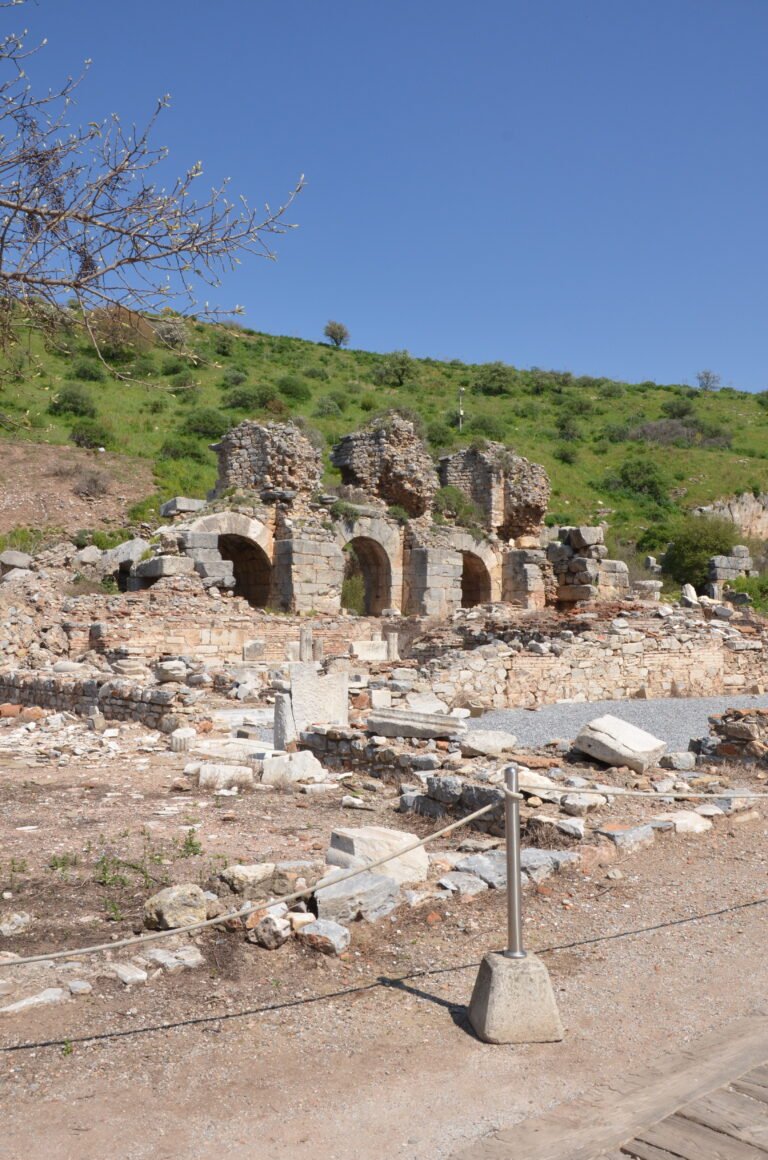
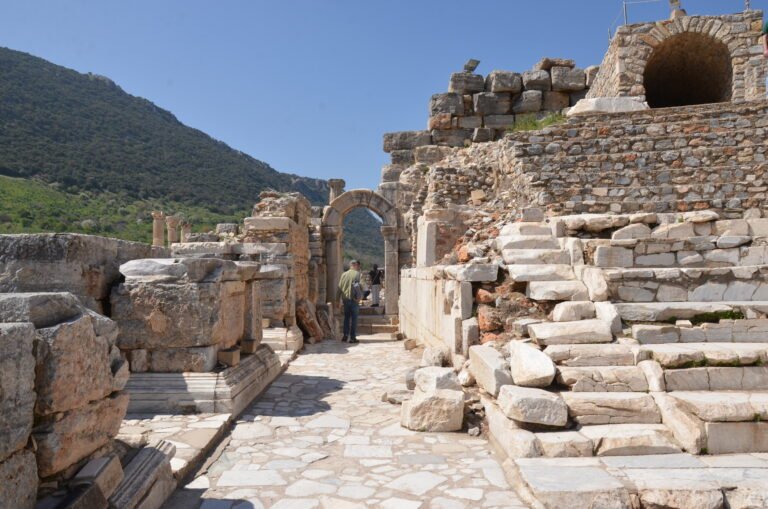
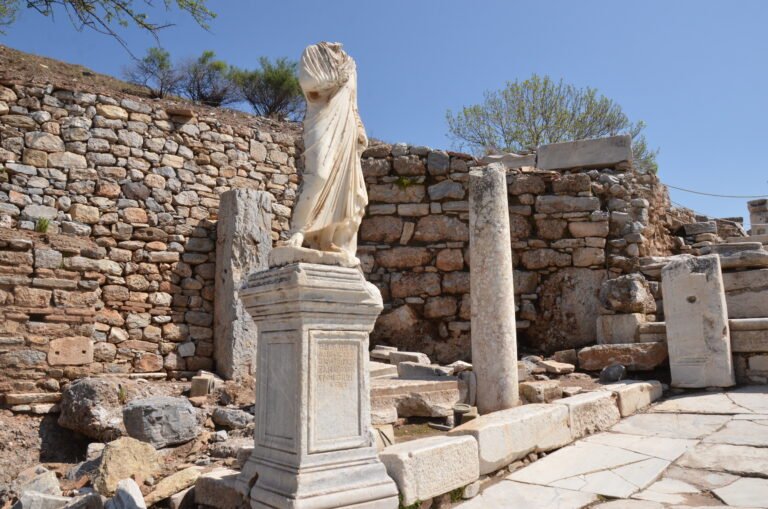
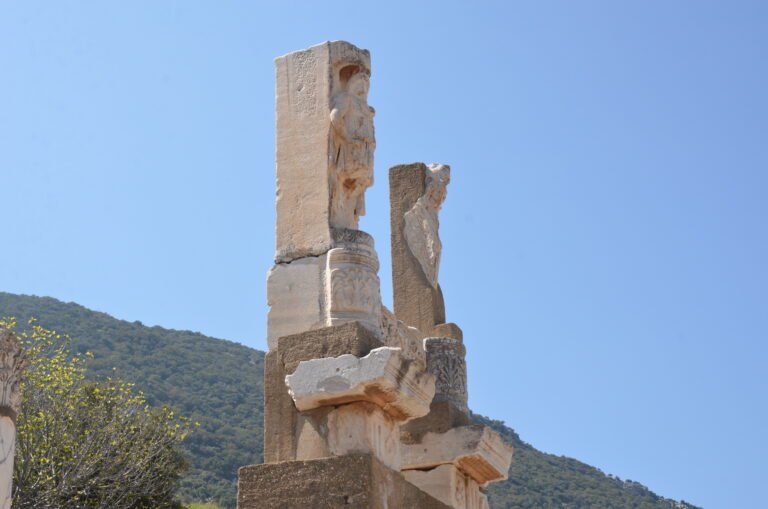
Today, Ephesus stands as one of the best-preserved ancient cities in the world. Walking through its marble streets offers visitors a rare opportunity to experience the atmosphere of a real ancient metropolis where myth, empire, religion, and daily life once came together on an extraordinary scale.
Tips for Visiting Ephesus Ancient City
- Arrive early in the morning, especially during summer, to avoid high temperatures and large crowds.
- Wear comfortable walking shoes, as the marble streets can be uneven and slippery.
- Bring water, sunscreen, sunglasses and a hat during warmer months.
- Do not miss the Terrace Houses section which contains some of the best preserved mosaics and frescoes in Ephesus.
- Plan at least 2-4 hours to fully explore the archaeological site.
- Consider visiting during the Night Museum program for a unique atmosphere and cooler temperatures.
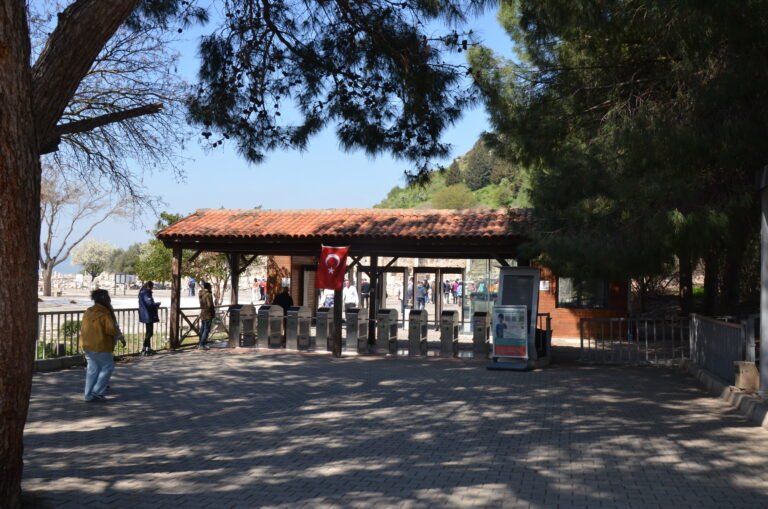
- The site has both upper and lower gates; many guided tours start from the upper gate and walk downhill for a more comfortable route.
- Photography is allowed throughout most of the site, making sunrise and sunset excellent times for photos.
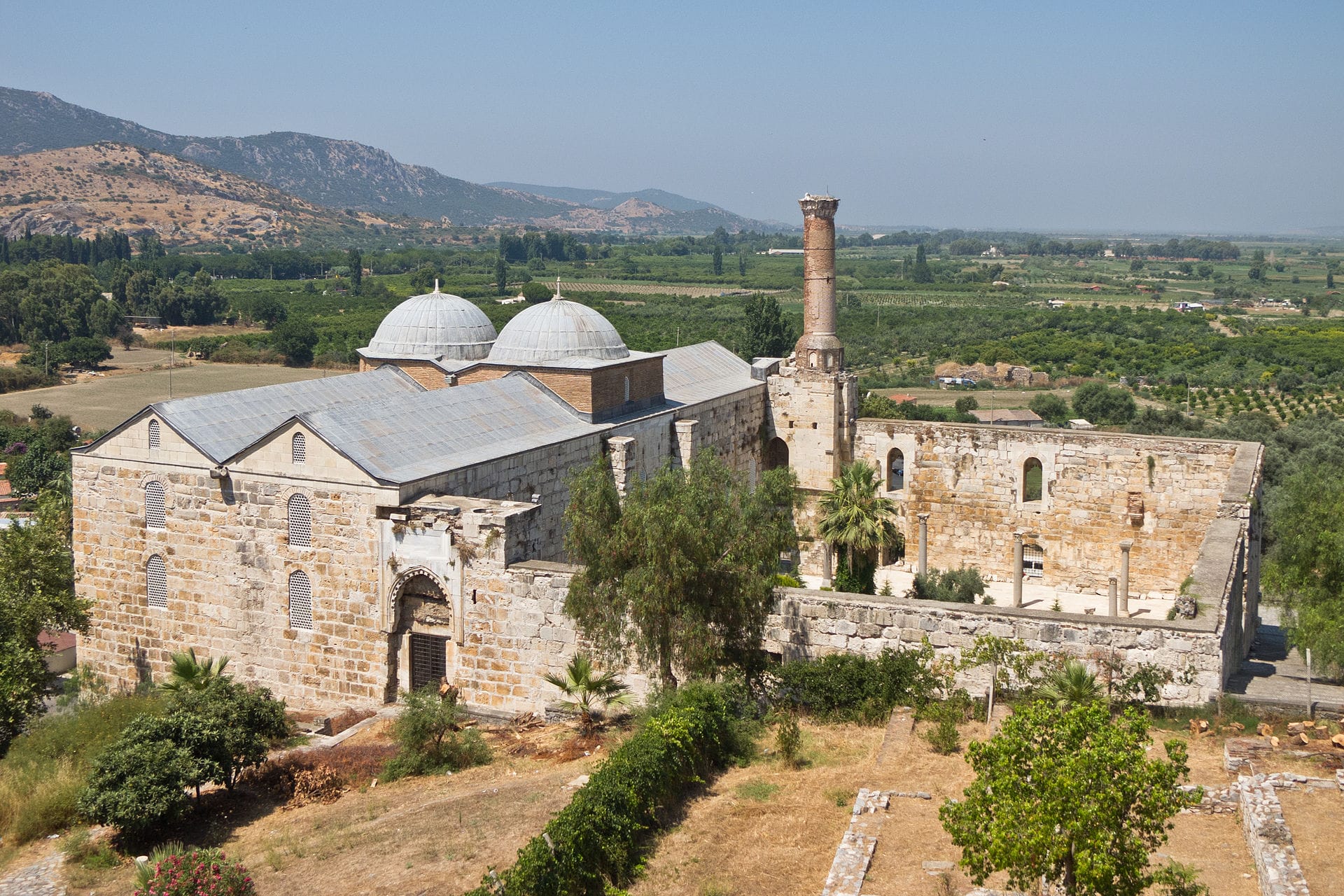
- Combining Ephesus with the House of Virgin Mary, Basilica of St. John, Isa Bey Mosque and Ayasuluk Castle creates a more complete historical experience.
- Hiring a licensed local guide can greatly enhance your understanding of the city’s history, mythology and early Christian significance.
Plan Your Visit
Ephesus Ancient City is generally open year-round, with estimated 2026 visiting hours between 08:00–19:00 during the spring and summer season and 08:30–17:00 during winter. Opening hours may vary depending on national holidays, restoration works, and seasonal night museum programs.
The standard entrance fee for Ephesus Ancient City and the Ephesus Experience Museum is approximately 40 EUR, while the Terrace Houses section requires an additional ticket. Children 0-6 is free.
As part of the 2026 Ephesus Night Museum program, Ephesus Ancient City is expected to remain open between June 1 and November 2 on Wednesdays, Thursdays, Fridays, Saturdays, and Sundays from 19:00 until 23:30, with the last entrance generally around 22:30–23:00. Night visits are usually operated through the lower gate entrance, allowing visitors to experience the illuminated marble streets and monumental structures of Ephesus in a unique evening atmosphere.
Notes
- Museum Pass Turkey is valid for the main site.
- Comfortable walking shoes are strongly recommended due to uneven marble streets.
- Summers in Ephesus can be extremely hot; early morning visits are highly recommended.
- Separate tickets are required for the Terrace Houses section.
- During peak season, arriving early helps avoid crowds and high temperatures.
- Night Museum visits may operate seasonally during summer months.
Gallery