Ayasuluk Castle
About Ayasuluk Castle
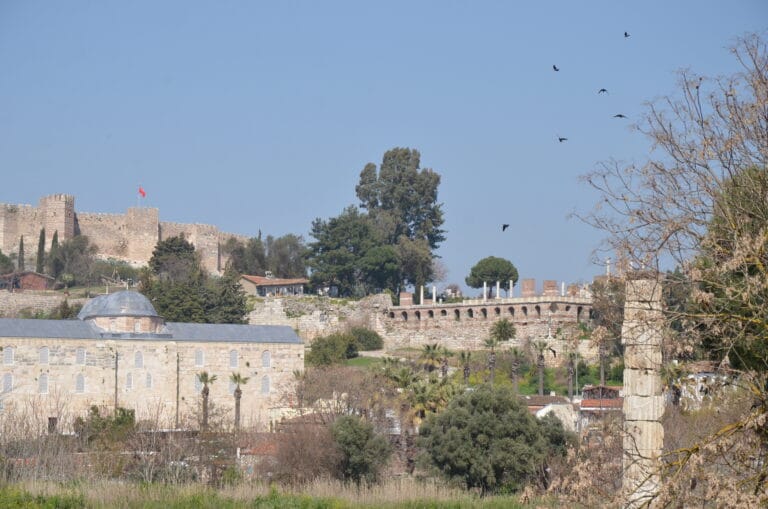
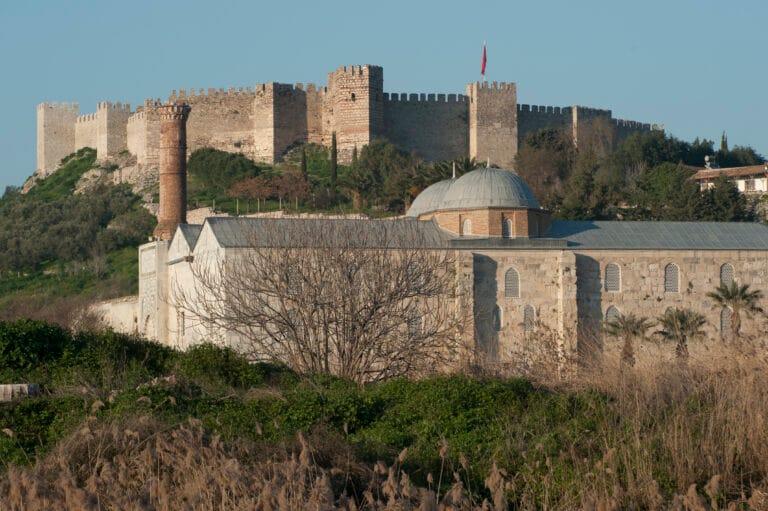
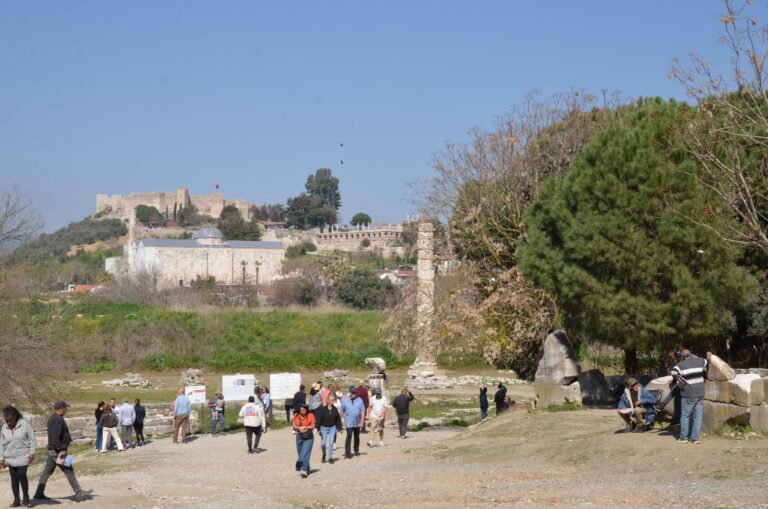
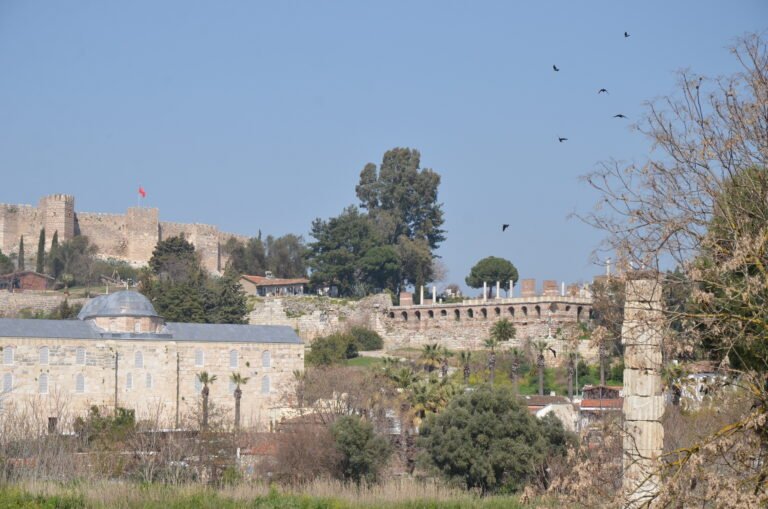
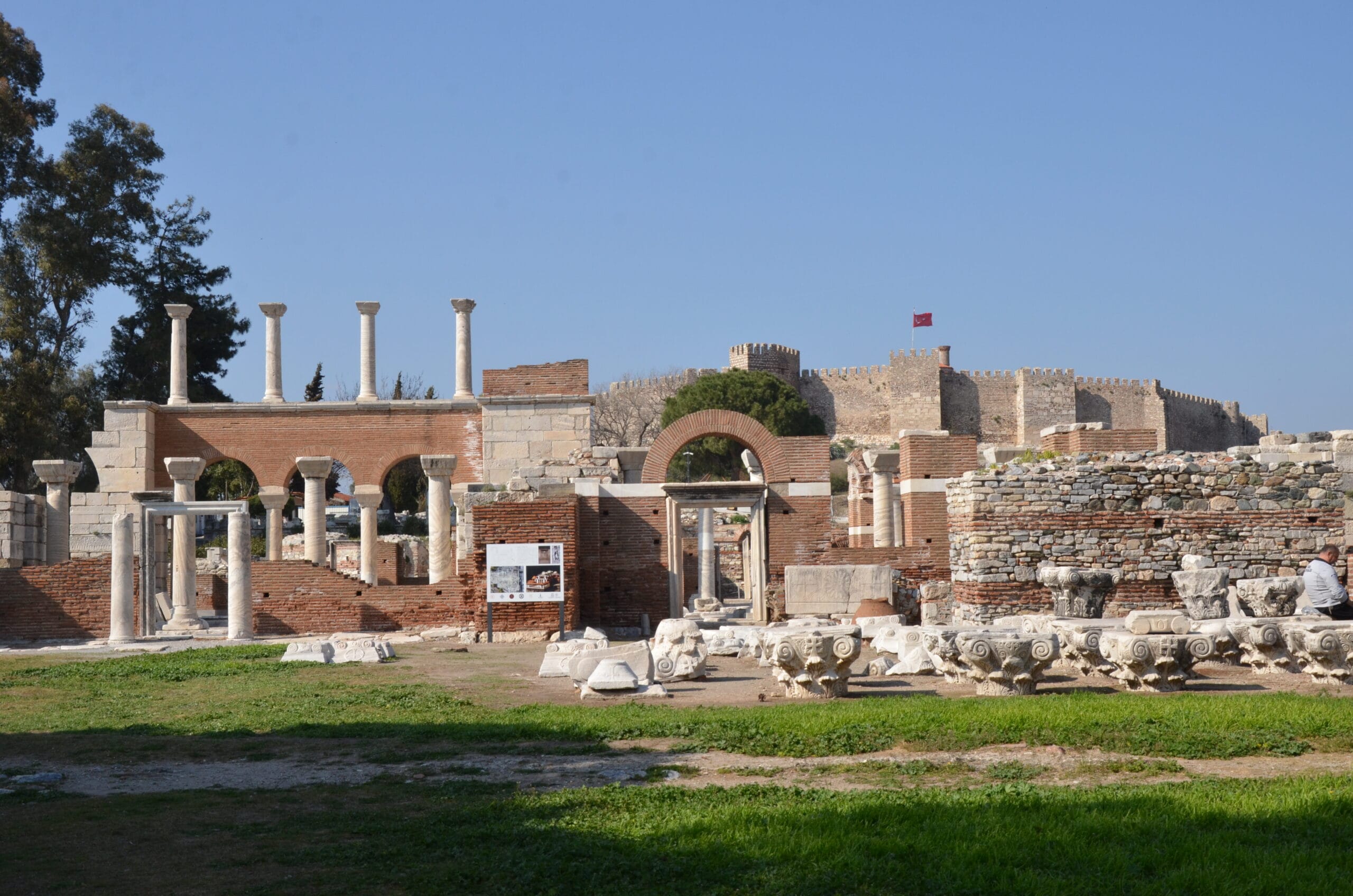
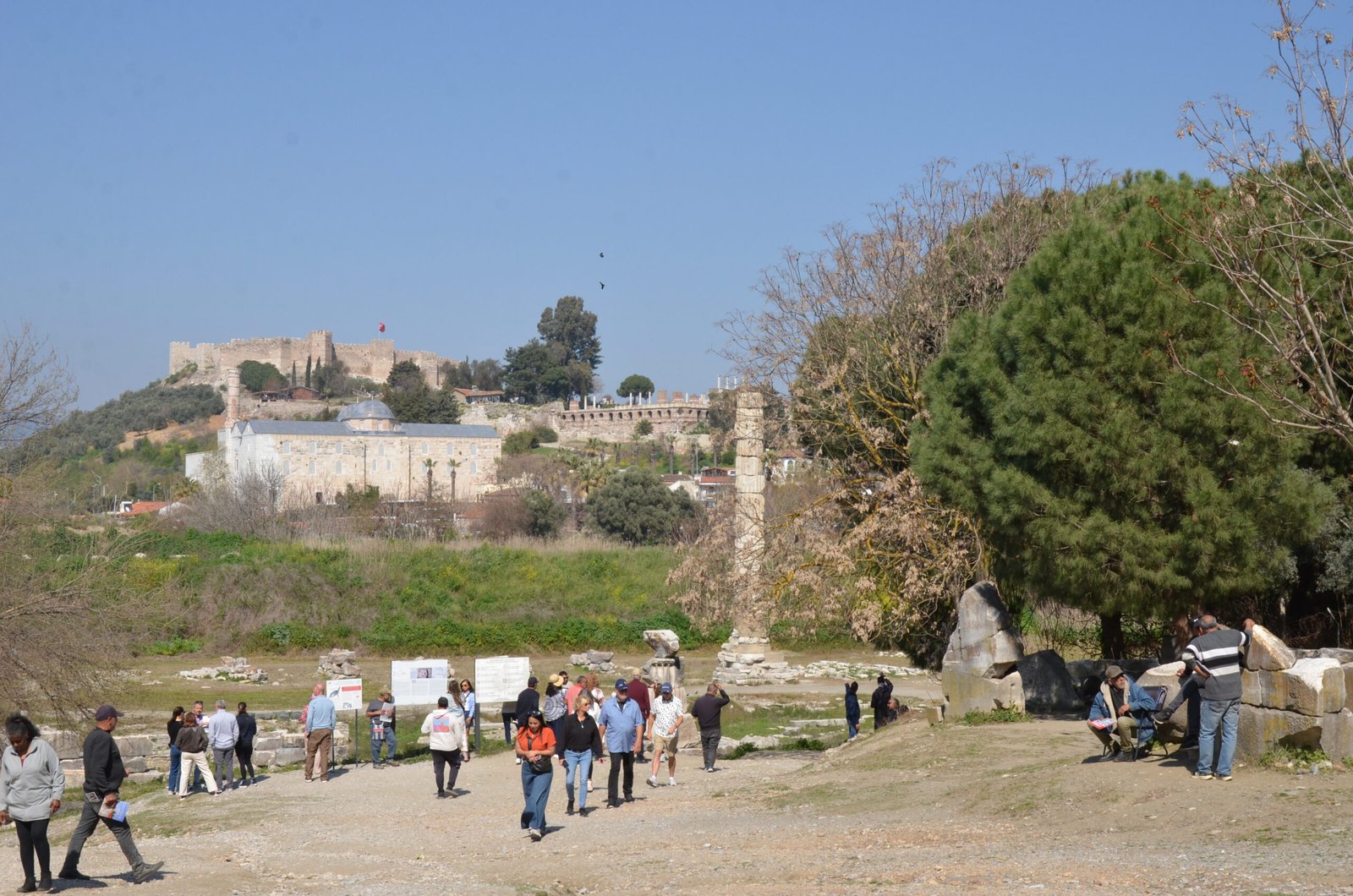
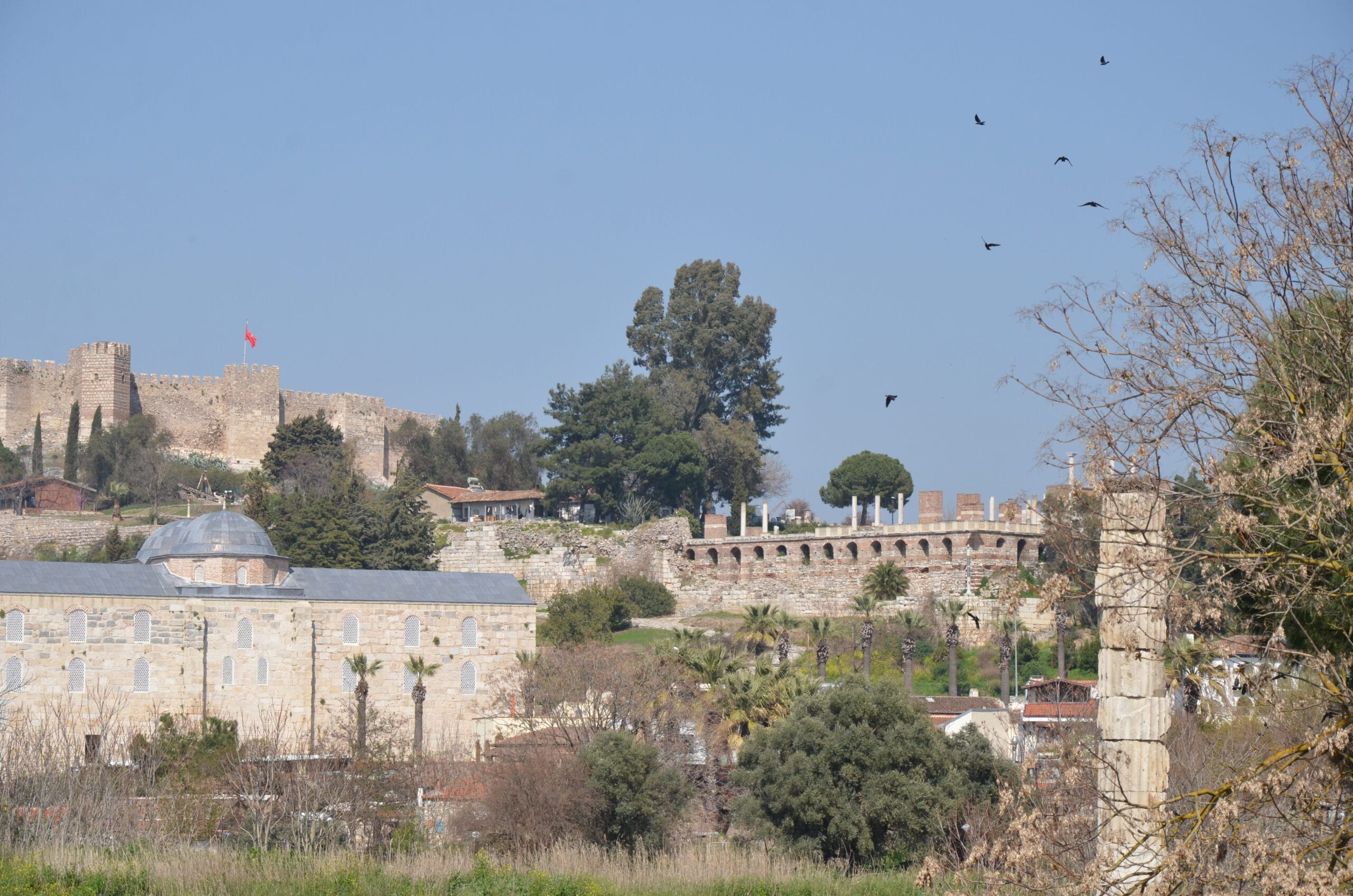
Located in the heart of Selcuk, Ayasuluk Castle, known as Selcuk Castle, stands as one of the most important historical landmarks in western Turkey. Rising above the town on Ayasuluk Hill, the castle offers breathtaking panoramic views over Selcuk, Ephesus, the Basilica of St. John and the surrounding countryside.
More than just a military fortress, Ayasuluk castle reflects the layered history of the region, carrying traces of the Byzantine Empire, Aydinids, Seljuk and Ottoman periods.
The History of Ayasuluk Castle
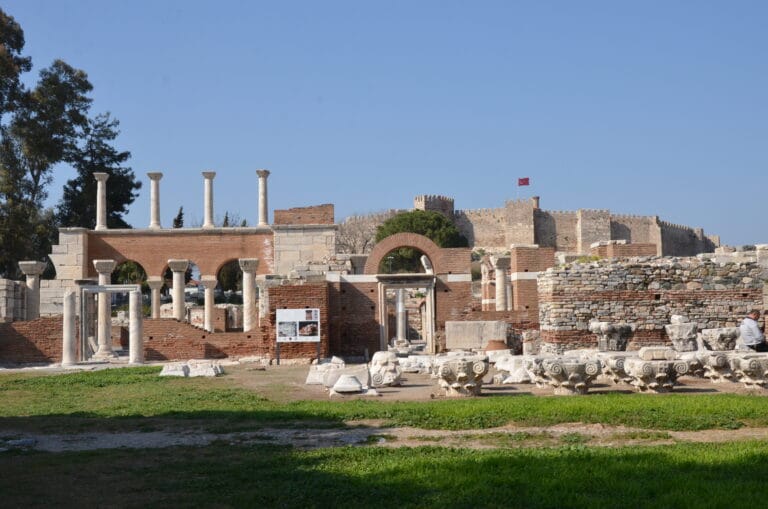
Ayasuluk Hill and its surroundings also hold great significance in the history of Christianity. The Basilica of St. John, located on the hill, became one of the most important pilgrimage centers of the Christian world for centuries.
Saint John (St. John / St. Jean), one of the twelve apostles of Jesus Christ, is believed to have spent the final years of his life in Ephesus and its surroundings. According to Christian tradition, he was buried on Ayasuluk Hill after his death. It is also traditionally believed that the Gospel of John was written either here or in the Ephesus region after his return from the Island of Patmos. An early memorial tomb was first built over his burial site, and later, in the 6th century, the Byzantine Emperor Justinian I commissioned the construction of the magnificent Basilica of St. John.
From the 7th century onward, due to Arab raids and the gradual silting of the ancient harbor of Ephesus, the local population slowly moved toward Ayasuluk Hill. Over time, Ayasuluk became the new settlement center of the region, and the Church of St. John replaced the former episcopal center of Ephesus, eventually becoming a major pilgrimage destination.
The history of Ayasuluk Hill dates back much earlier than the Christian era. Archaeological excavations indicate that settlement in this area goes back to the Bronze Age and the ancient Kingdom of Arzawa, where a settlement known as “Apasa” once existed. Many researchers believe that one of the earliest settlements of Ephesus was located around Ayasuluk Hill before the city later expanded toward the plain surrounding the Temple of Artemis.
Most of the castle visible today was shaped during the Byzantine period. The fortifications were especially strengthened during the 7th and 8th centuries to protect the Basilica of St. John against external attacks. Supported by defensive walls and towers, the castle continued to be used during the Seljuk, Aydinid, and Ottoman periods.
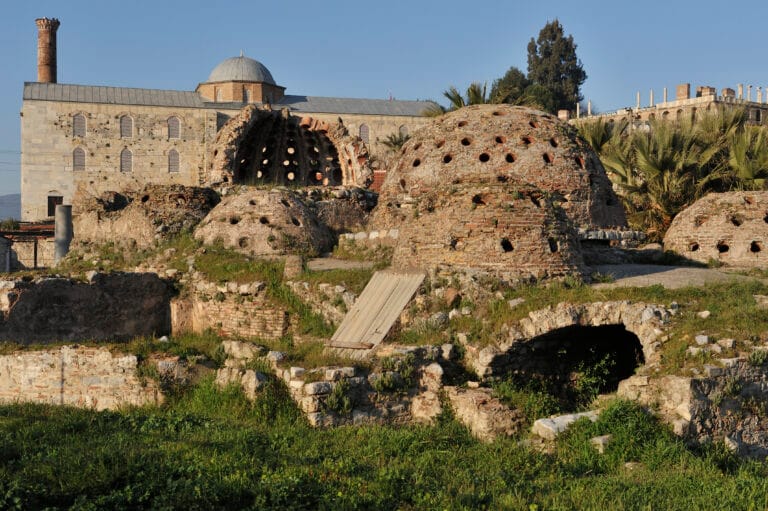
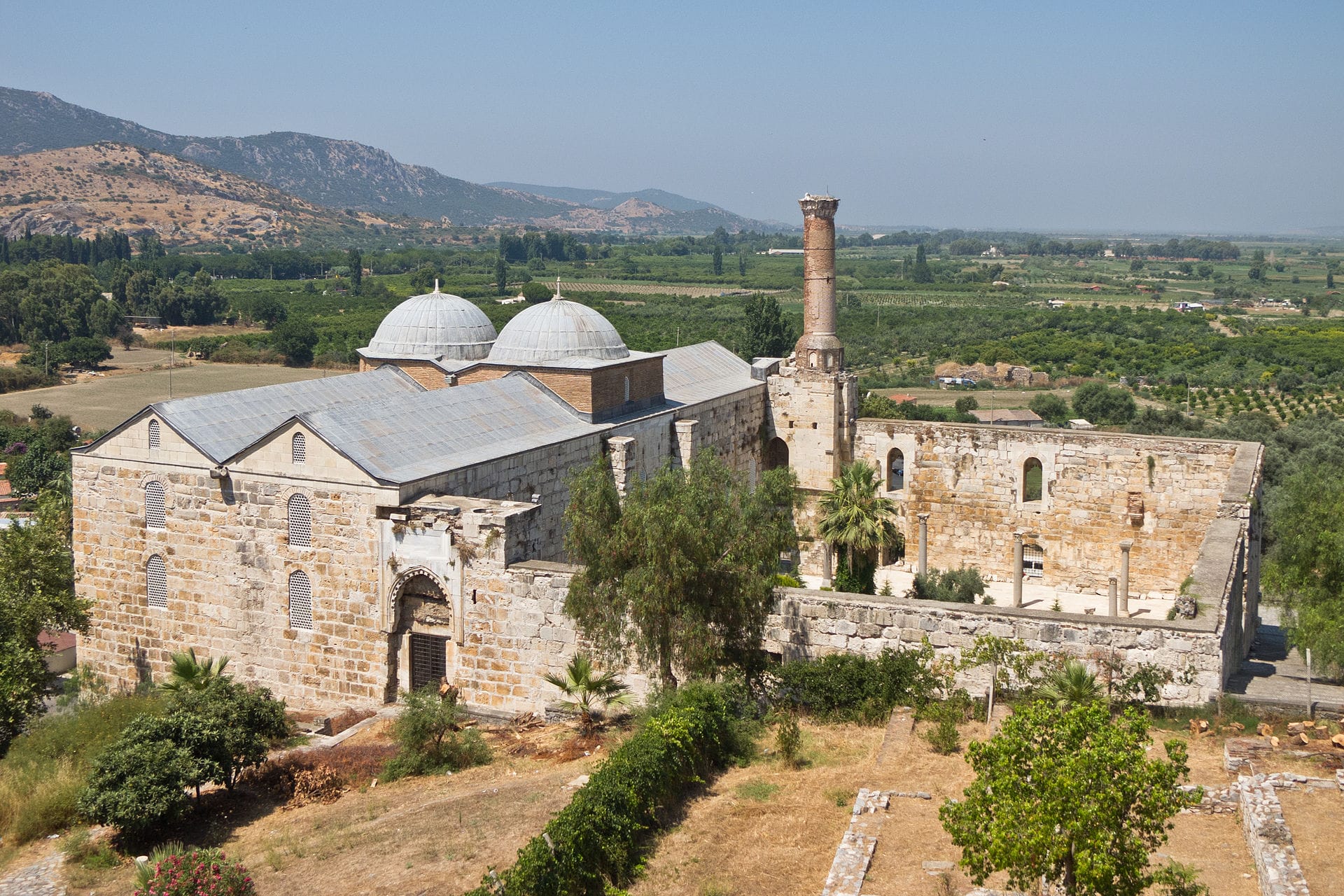
After the region came under Turkish control in 1304, Ayasuluk became one of the major centers of the Aydinids Principality and even served as its capital for a period. During this era, important structures such as the Isa Bey Mosque, baths, madrasas, and caravanserais were built around the hill. The name “Ayasuluk” also became widely used during this period before the region was later incorporated into the Ottoman Empire.
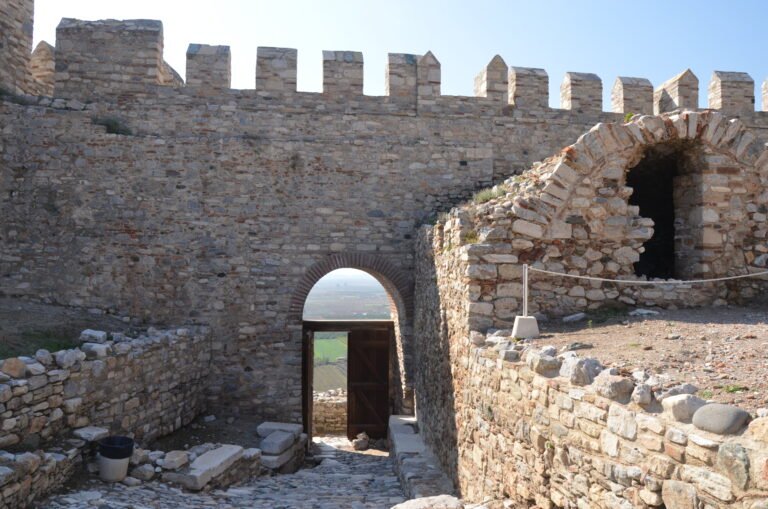
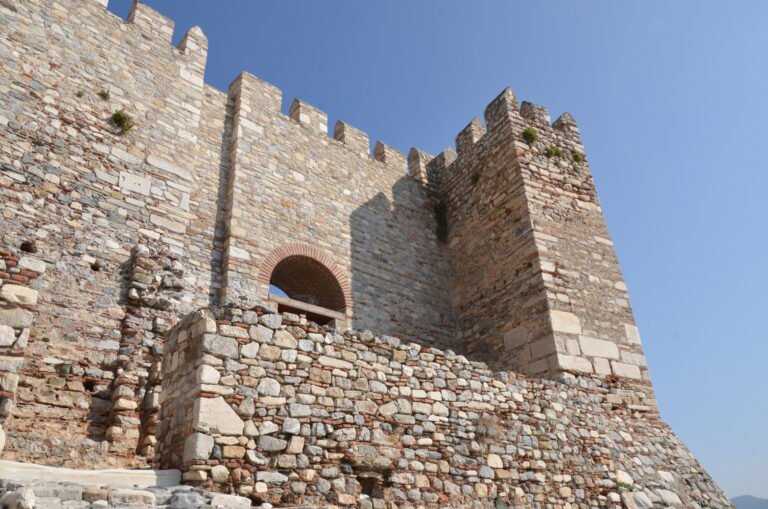
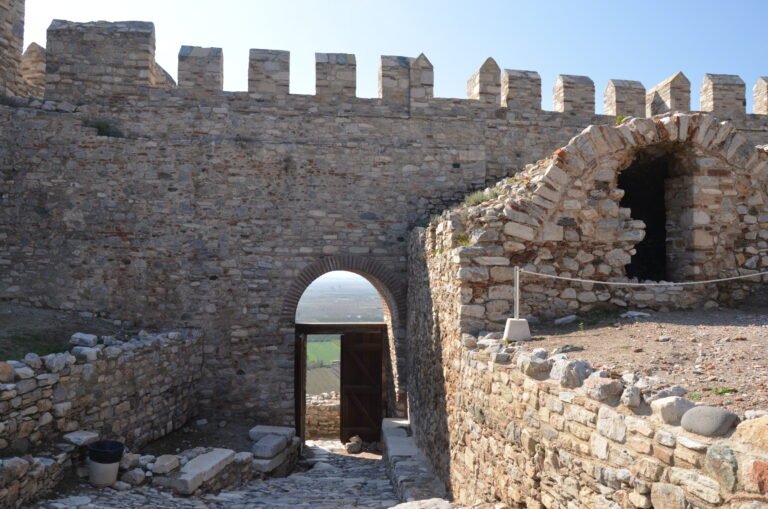
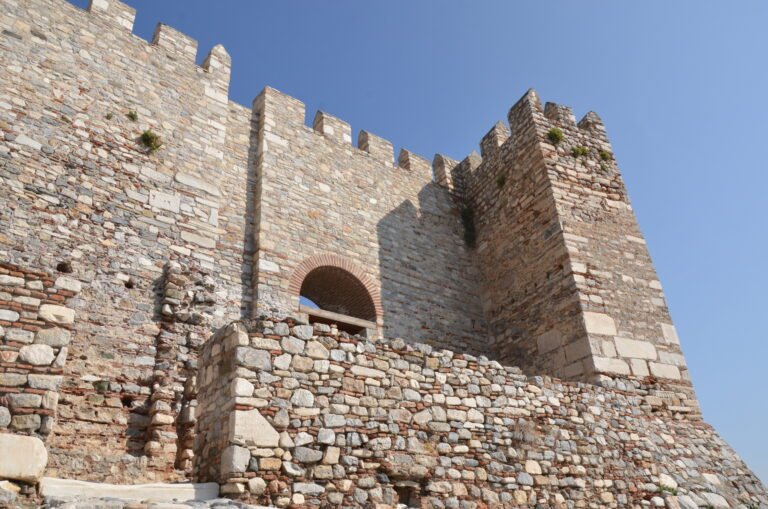
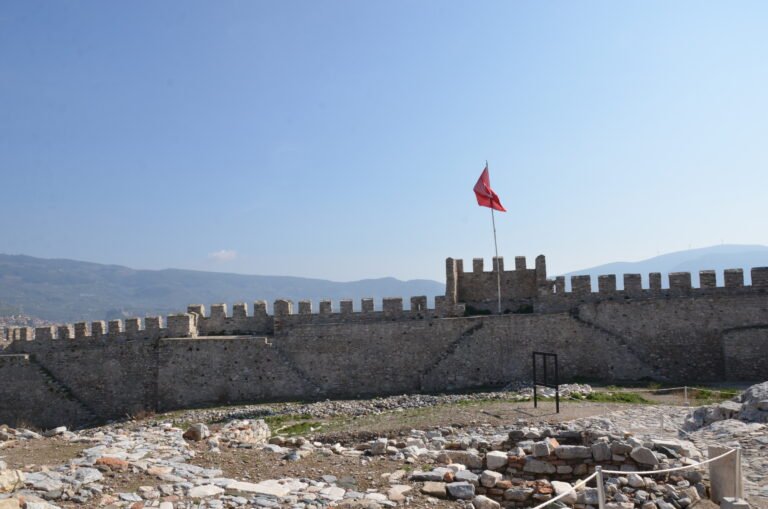
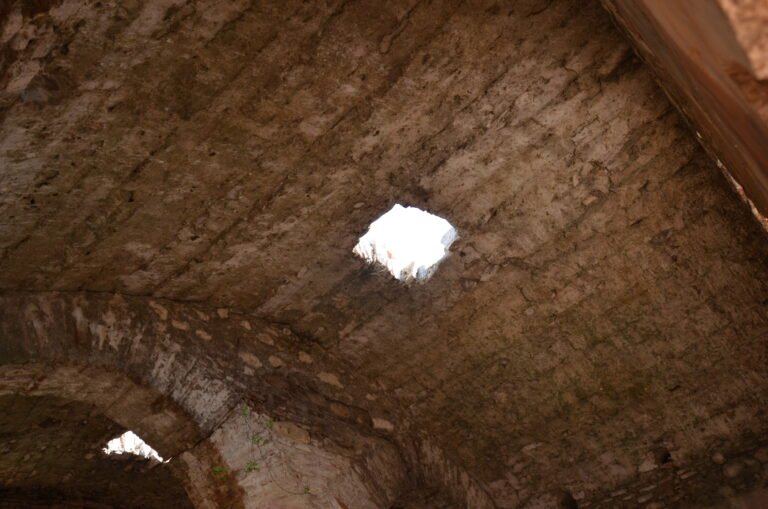
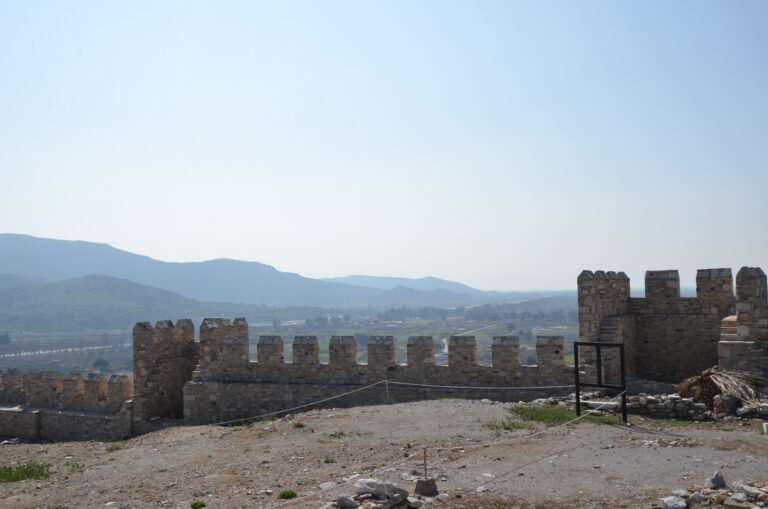
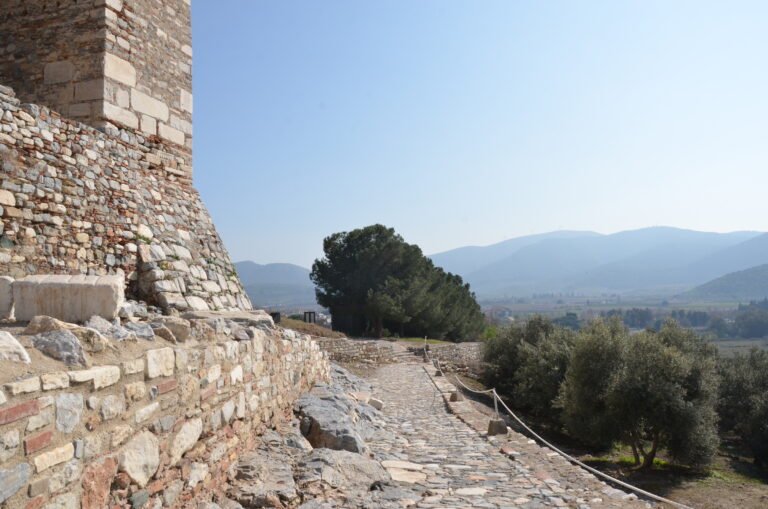
Selcuk Castle is notable for its defensive walls built with rubble stone, reused ancient materials, and brick. Some sections of the walls and towers visible today have survived thanks to restoration works. Due to earthquakes, wars, and natural destruction throughout history, many of the buildings once located inside the castle have not survived to the present day. Nevertheless, Ayasuluk Castle still stands proudly as one of the symbols of Selcuk, dominating the skyline of the town.
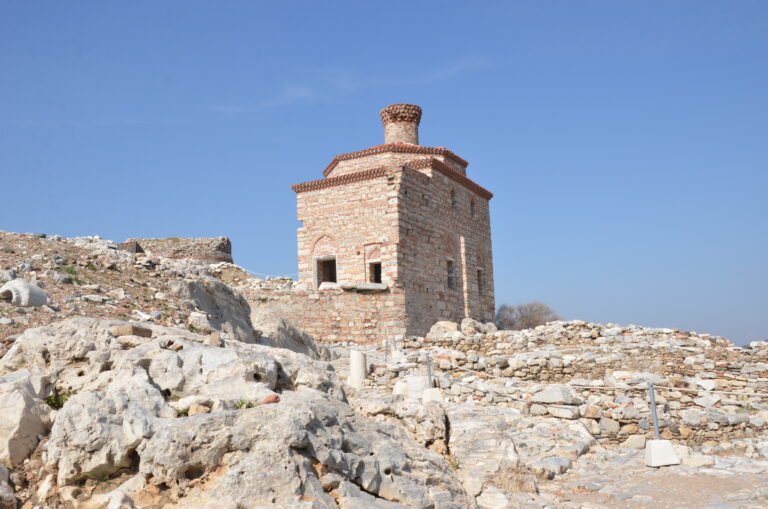
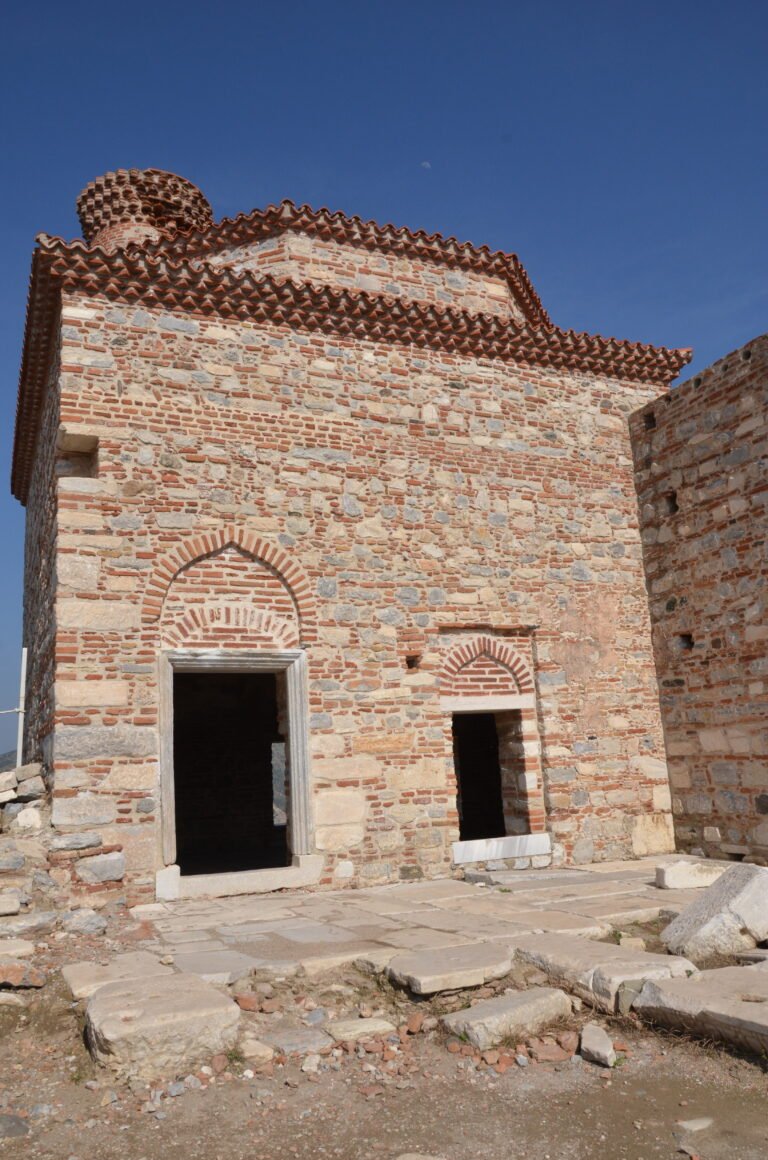
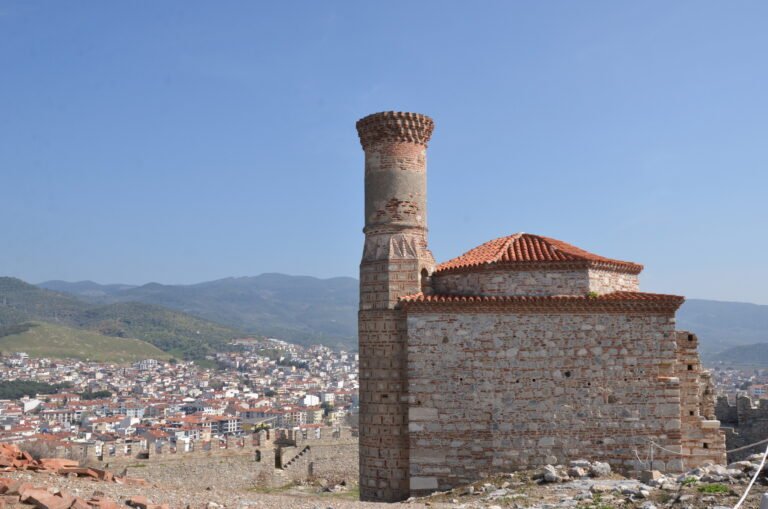
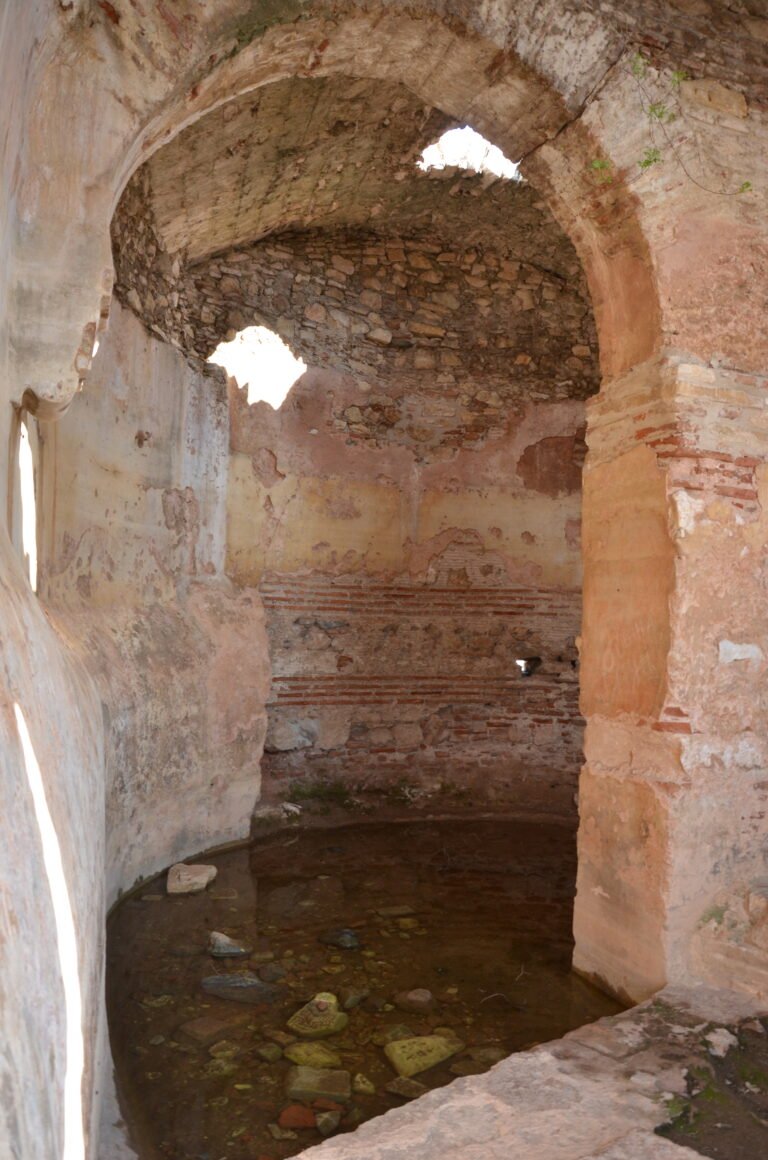
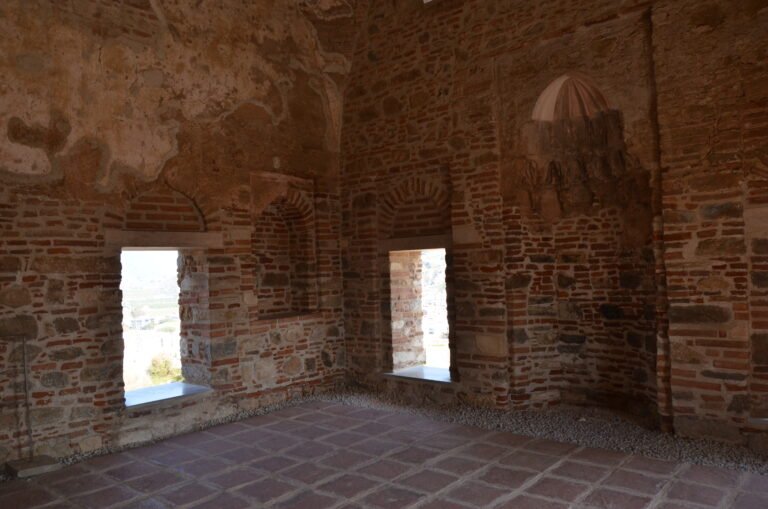
The exact construction date of the mosque located inside the castle is unknown. Since there is no inscription on or around the building, researchers cannot determine its precise date, although it is generally believed to have been built during the Aydinids period.
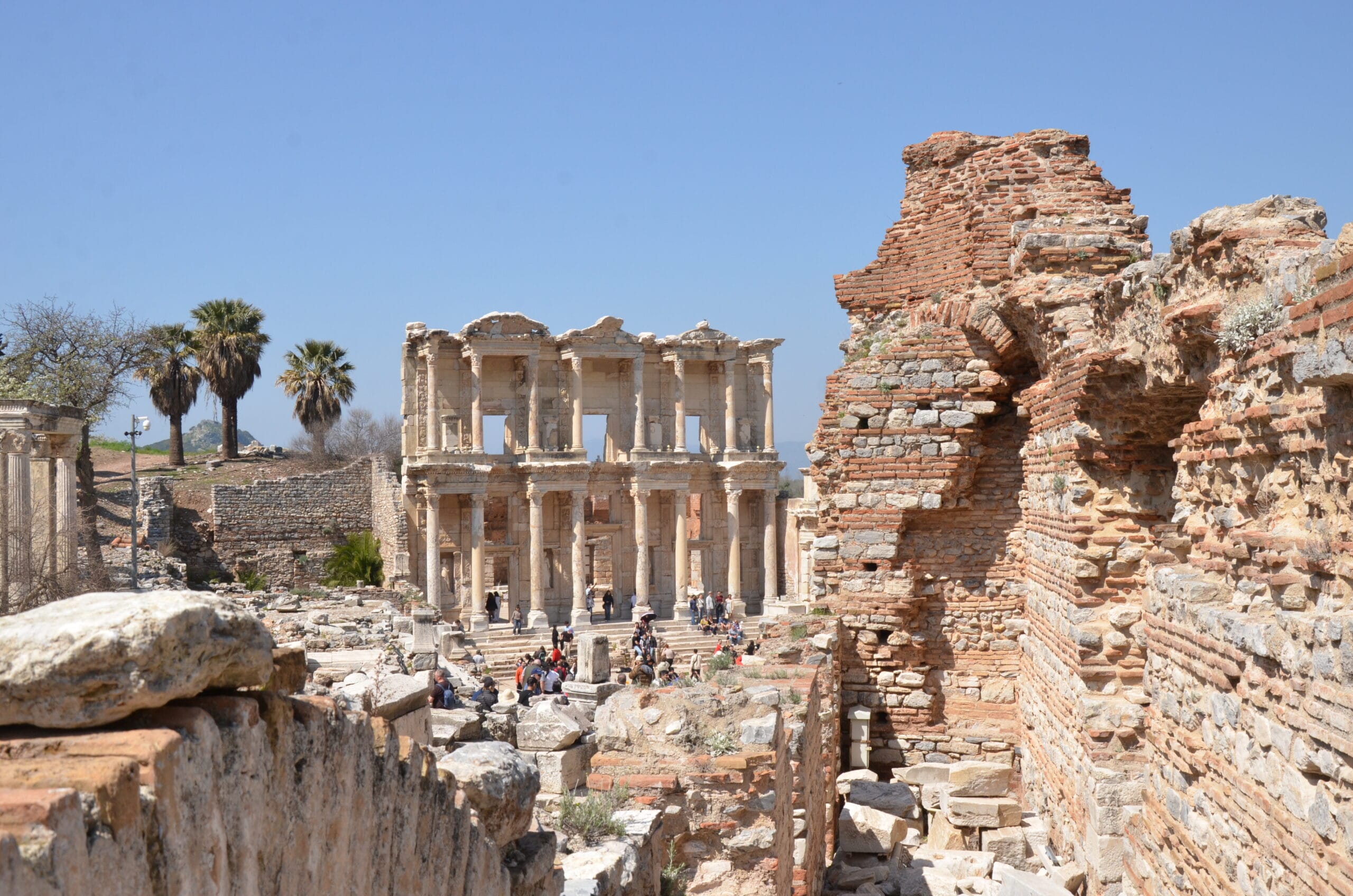
Today, Ayasuluk Hill together with Selcuk Castle, the Basilica of St. John, the Isa Bey Mosque, and the surrounding archaeological remains represents a unique cultural heritage site where multiple layers of Ephesus’ long history can be experienced in a single location.
What to See at Ayasuluk Castle
The Byzantine and Seljuk Walls
The castle features impressive defensive walls, towers and restored sections built using rubble stone, brick and reused materials from earlier ancient structures. Walkin through the fortress alloews visitors to experience layers of history from different civilizations that once ruled the region.
Panoramic Views Over Ephesus and Selcuk
One of the highlights of Ayasuluk Castle is undoubtedly its spectacular views. From the top of the hill, visitors can overlook the town of Selcuk, the Basilica of St. John, the ancient landscape of Ephesus and even parts of the Aegean countryside. Sunset is considered one of the best times to visit for photography.
The Historic Mosque Inside the Castle
Inside the castle are the remains of a historic mosque believed to date back to the Aydinids period. Although its exact construction date ramins unknown due to the absence of an inscription, the structure reflects the Islamic architectural transformation of the region after Turkish rule began.
Why Visit Ayasuluk Castle
Ayasuluk Castle offers visitors a unique opportunity to experience thousands of years of history in one location. Combining ancient Anatolian heritage, Byzantine Christianity, Turkish-Islamic architecture and stunning landscapes, the castle remains one of the most fascinating places to visit in Selcuk.
Together with the Basilica of St. John, Isa Bey Mosque and nearby Ephesus Ancient City, Ayasuluk Hill forms an extraordinary cultural heritage area that reflects the rich and complex history of western Anatolia.
Plan Your Visit
Located on Ayasuluk Hill in Selcuk, Izmir Province, Turkey, Ayasuluk Castle stands just a few minutes from Ephesus Ancient City and the Basilica of St. John.
Spring and autumn are considered the best times to visit thanks to their mild weather and comfortable sightseeing conditions.
The castle is generally open year-round, with estimated 2026 visiting hours between 09:00-18:00 during the summer season and 09:00-17:00 in winter, although opening hours may vary depending on restoration works and seasonal regulations.
An entrance ticket is required, and Museum Pass Turkey is usually accepted.
Visitors can easily reach the castle on foot from Selcuk town center, while private cars and taxis also provide convenient access.
The site is located approximately five minutes from both the Ephesus Museum and St. John’s Basilica.
Gallery