Basilica of St. John
About Basilica of St. John
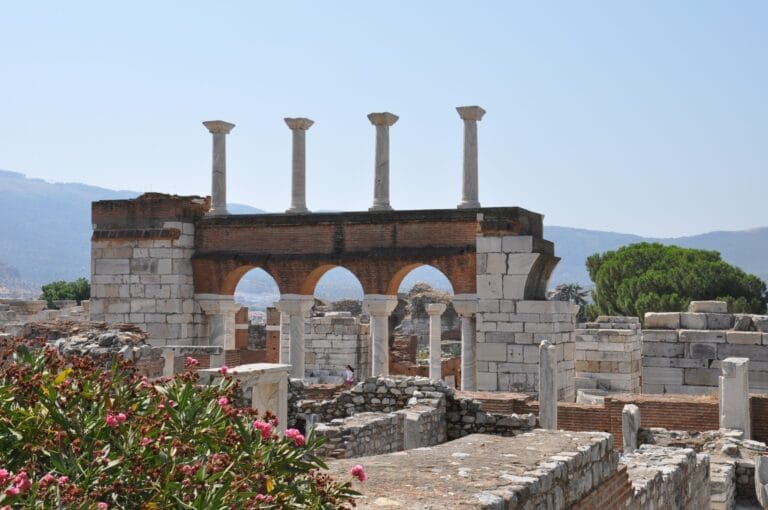
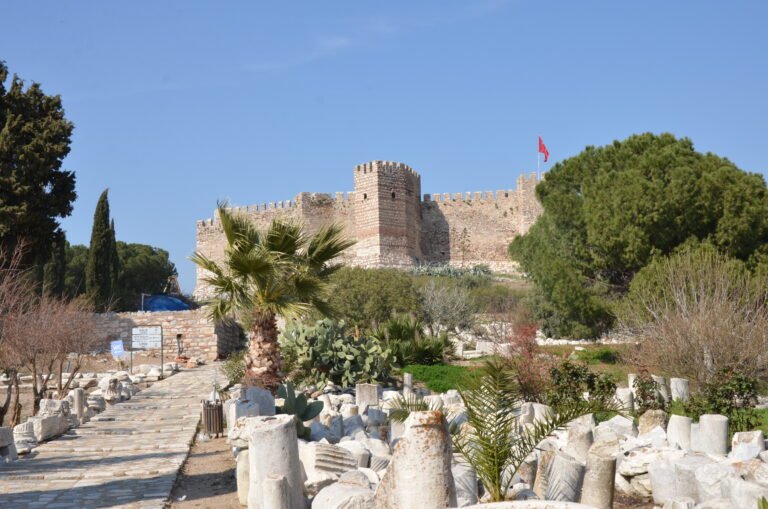
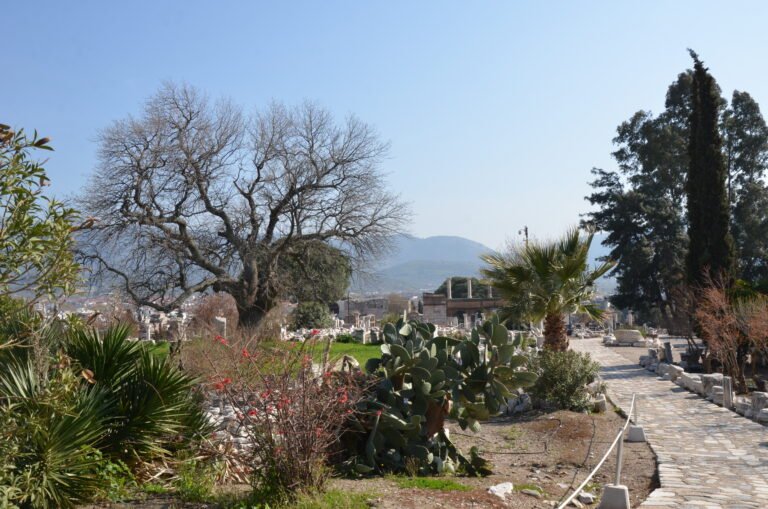
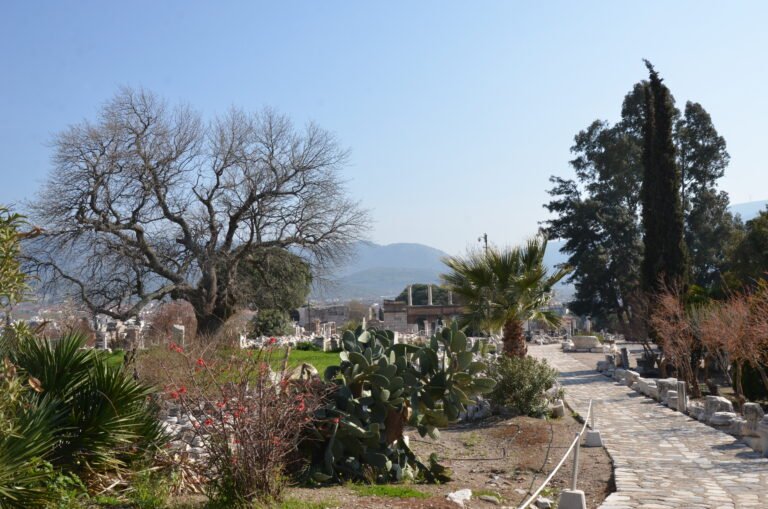
Located on Ayasuluk Hill in Selcuk near Ephesus Ancient City, the Basilica of St. John is one of the most important early Christian monuments in Turkey. Built in the 6th century by the Byzantine Emperor Justinian I, the basilica was constructed over the believed burial site of Saint John the Apostle, one of the twelve disciples of Jesus Christ.
Today, the ruins of the basilica stand as one of the most significant pilgrimage sites connected to early Christianity and the history of Ephesus.
The History of the Basilica of St. John
According to Christian tradition, Saint John came to Ephesus after the crucifixion of Jesus and spent the final years of his life in the region. He is believed to have preached in Ephesus, contributed to early Christian teachings, and eventually died in Selcuk around the age of one hundred.
Tradition also associates Saint John with the writing of the Gospel of John and his epistles during his time in or near Ephesus. His burial place on Ayasuluk Hill later became an important pilgrimage destination for early Christians.
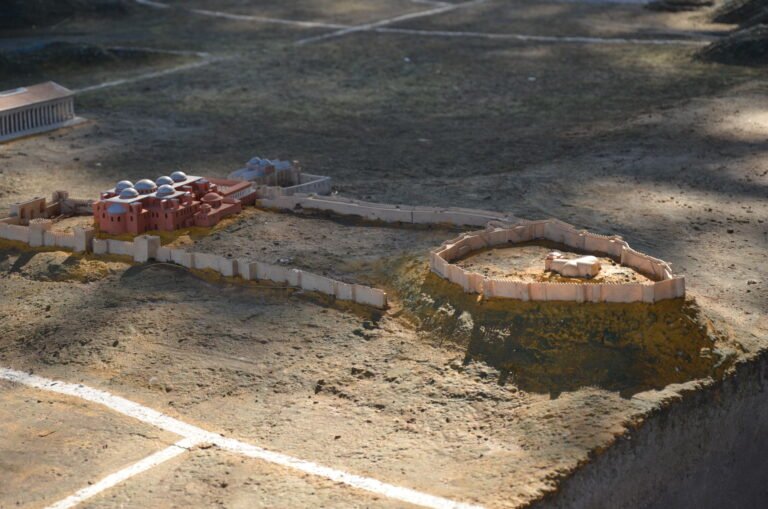
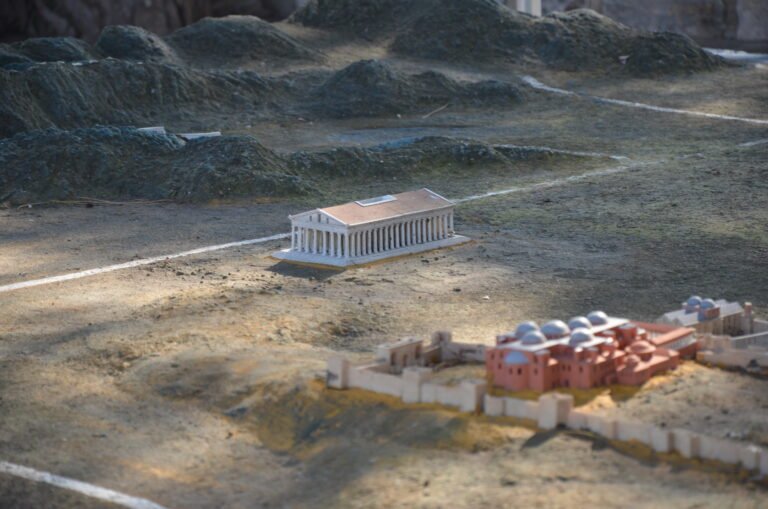
An early memorial structure was first built over the tomb. In the 6th century, Byzantine Emperor Justinian I ordered the construction of a massive basilica around the sacred site, transforming it into one of the most important churches of the Byzantine world.
At its height, the Basilica of St. John rivaled some of the great churches of Constantinople and attracted pilgrims from across the Christian world.
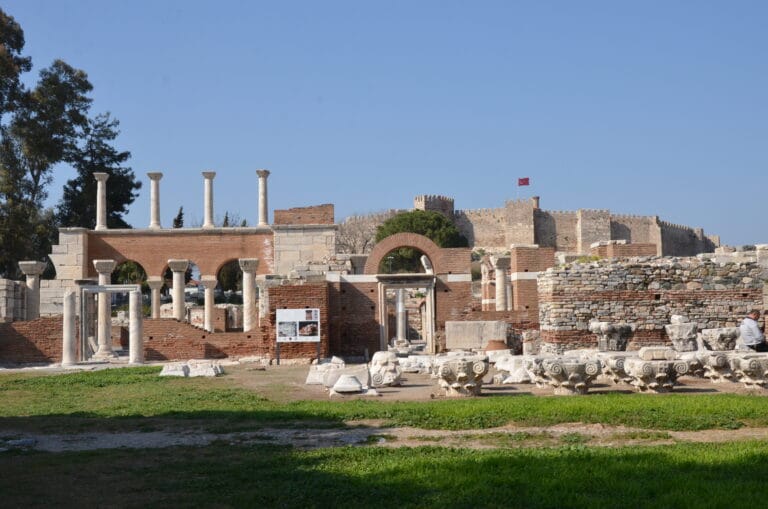
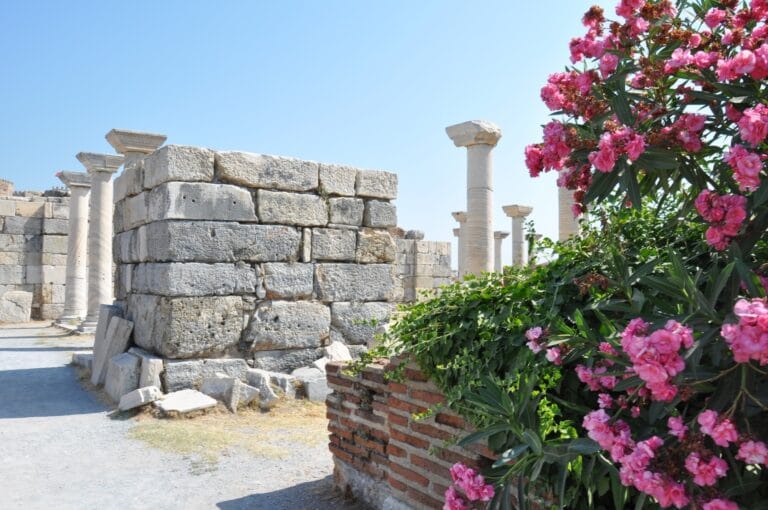
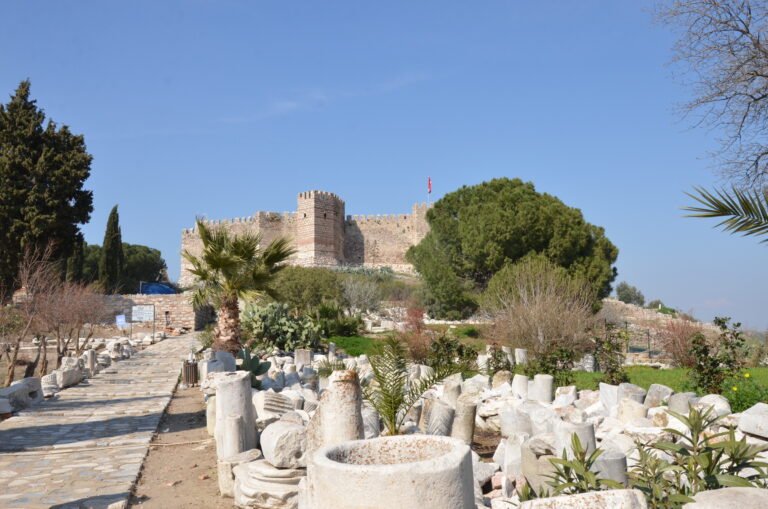
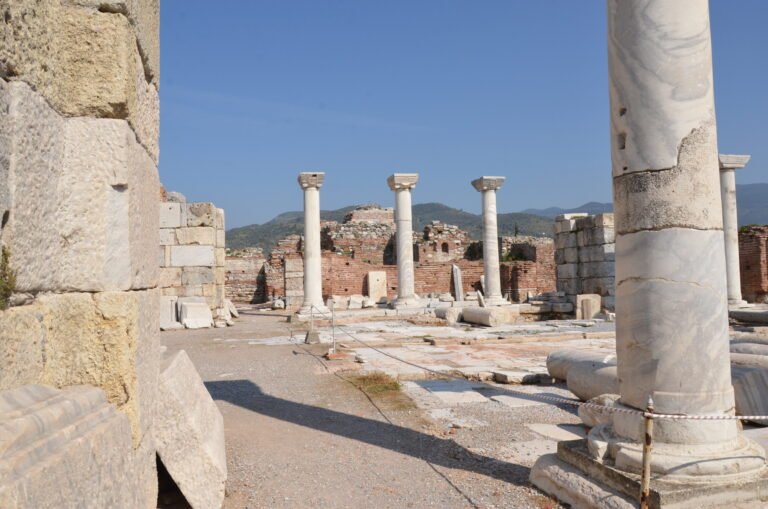
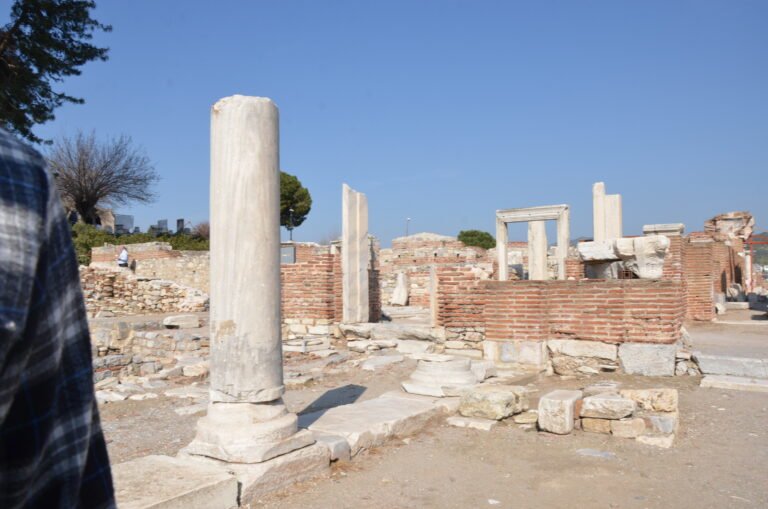
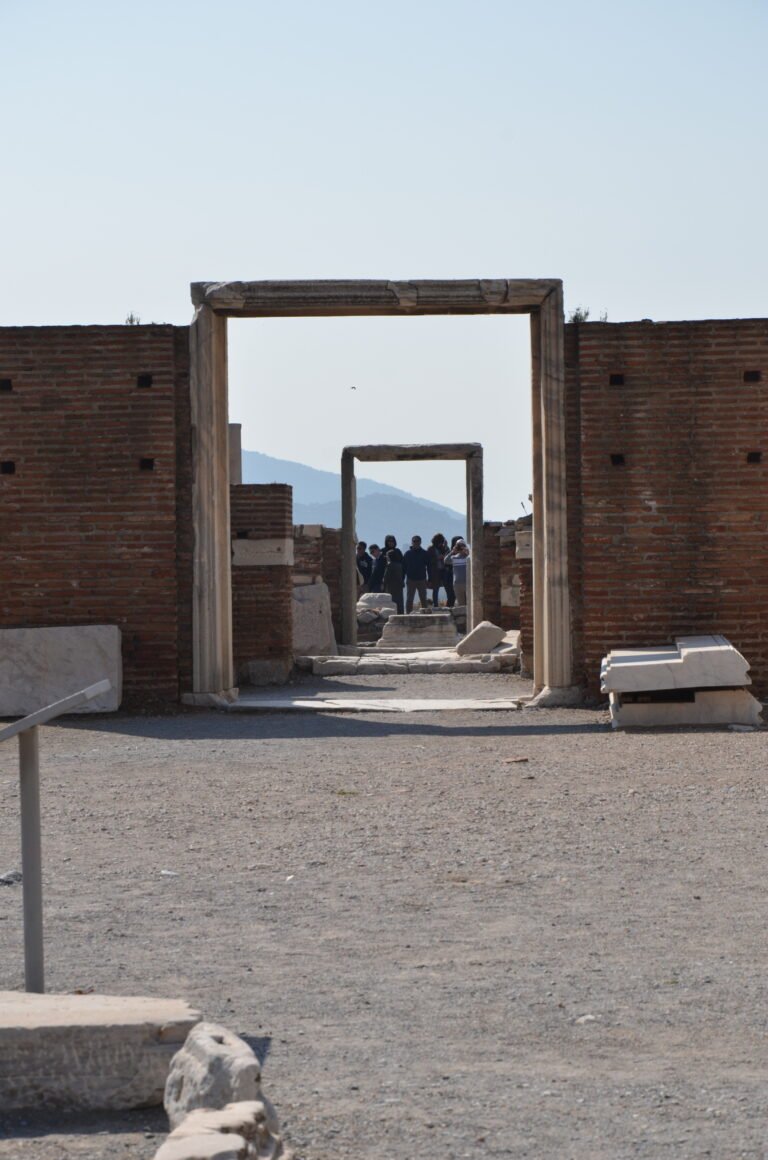
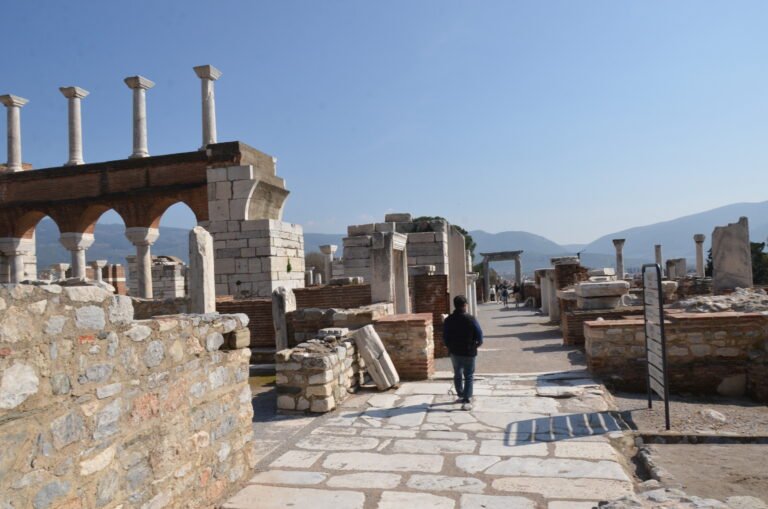
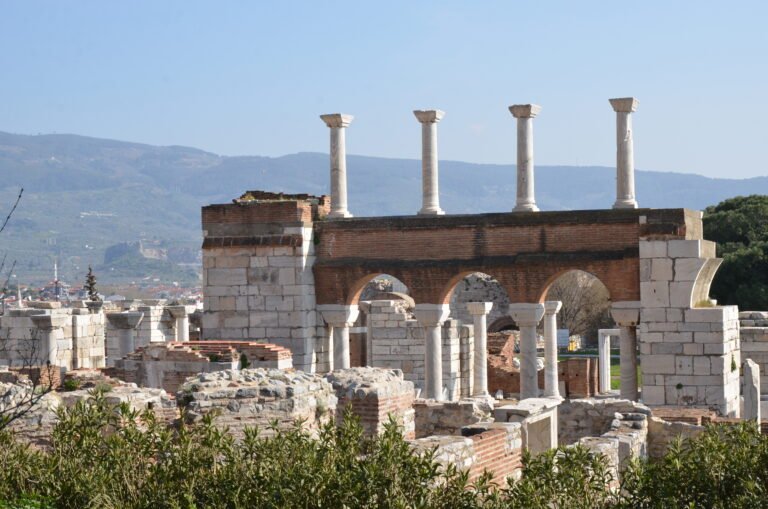
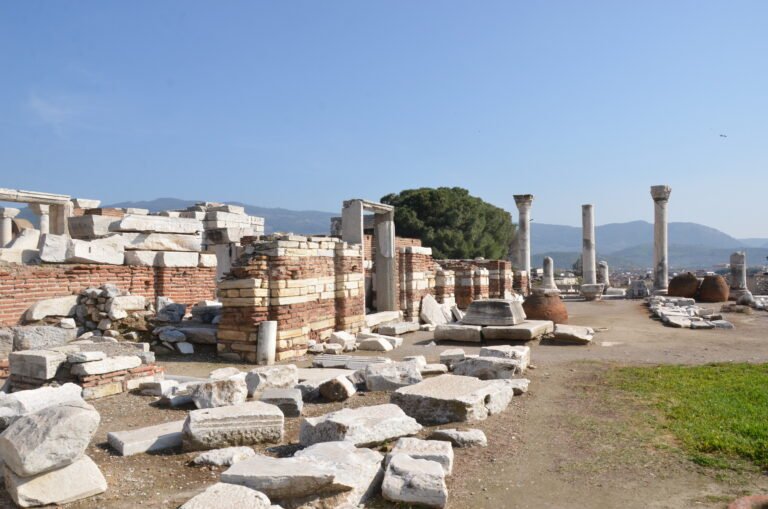
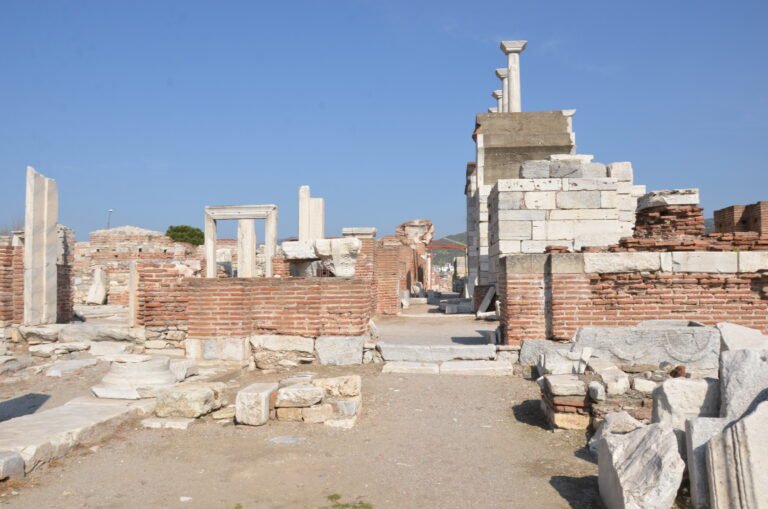
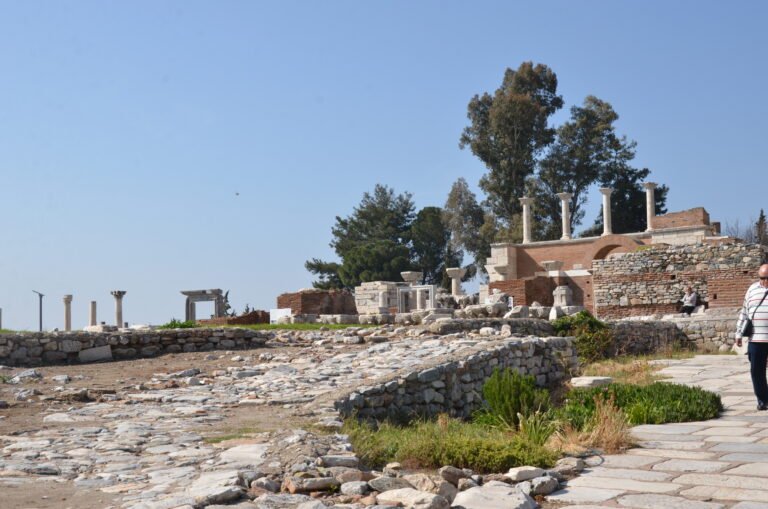
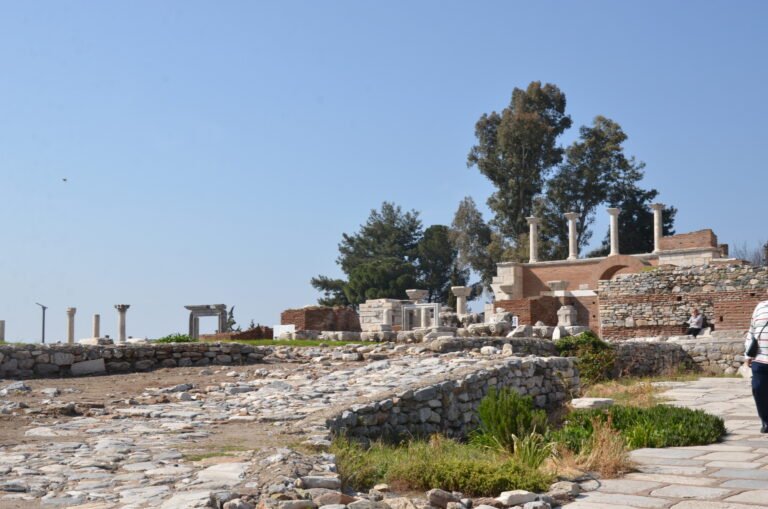
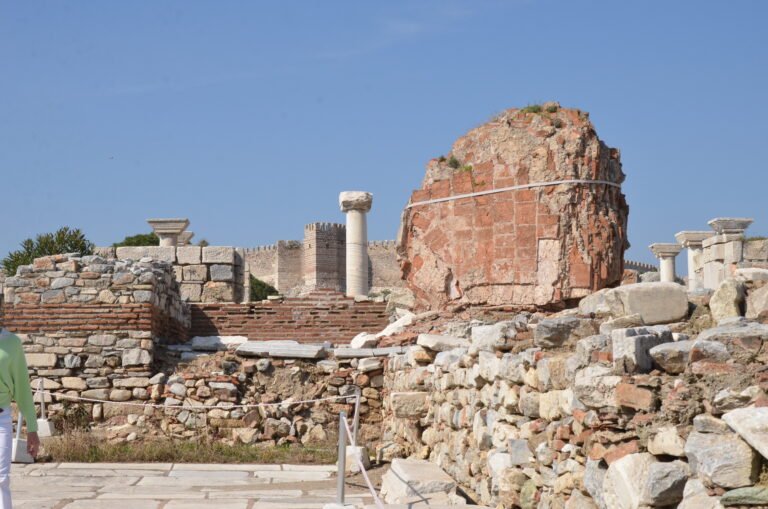
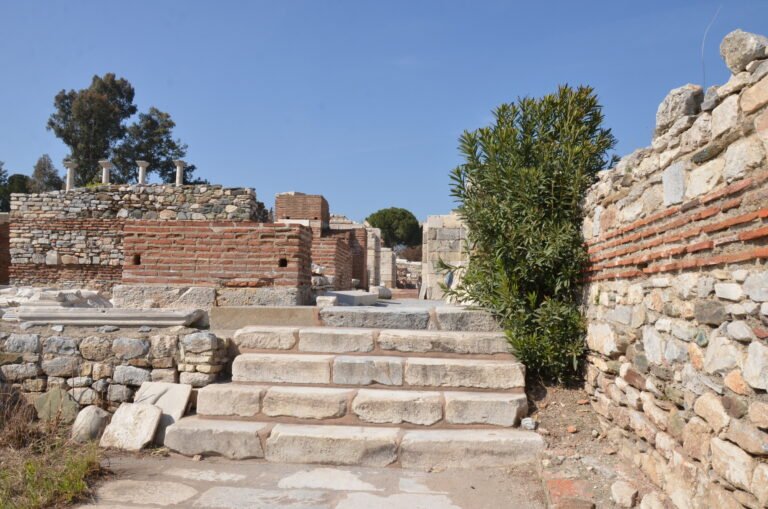
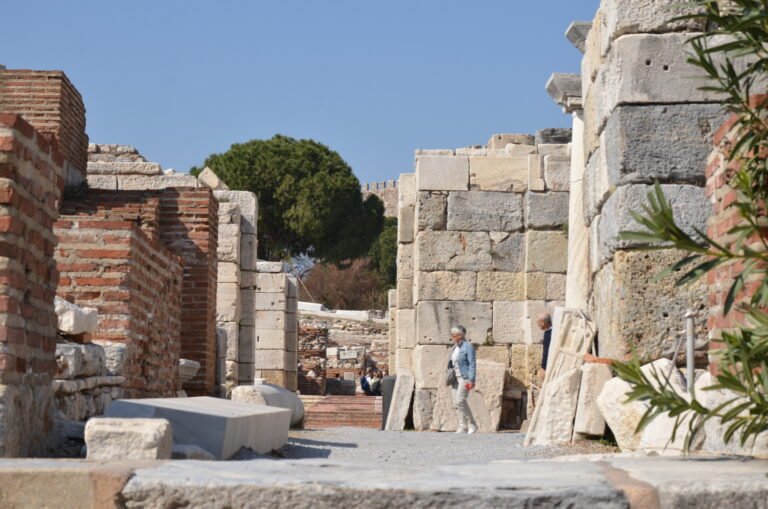
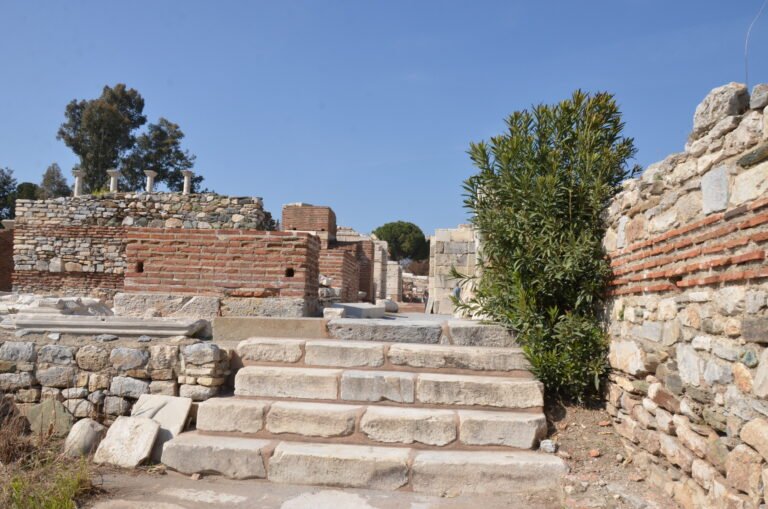
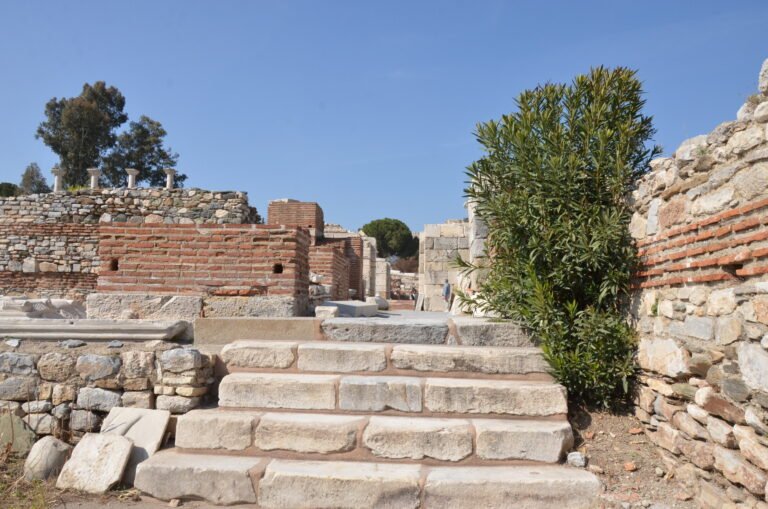
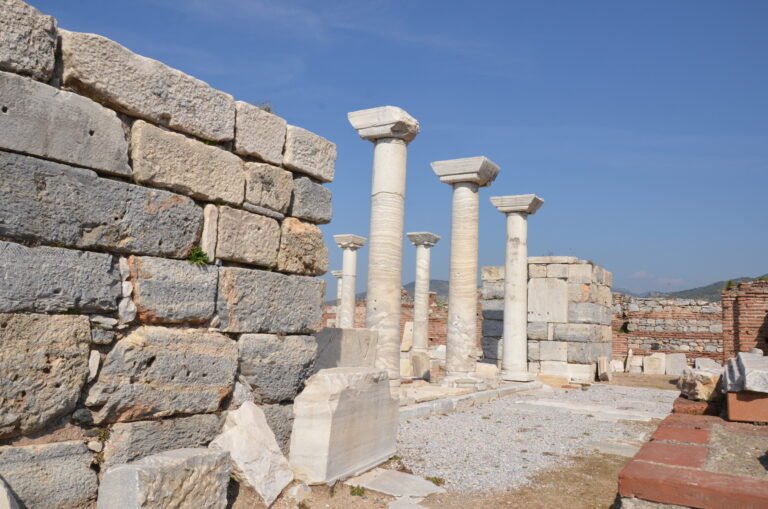
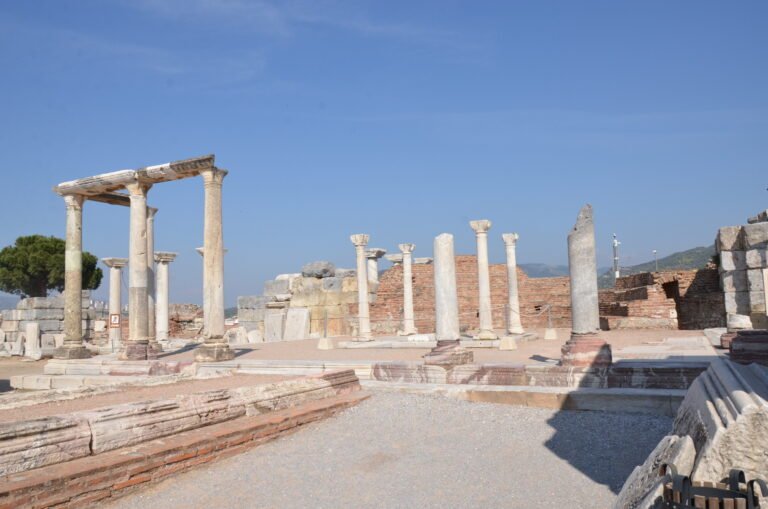
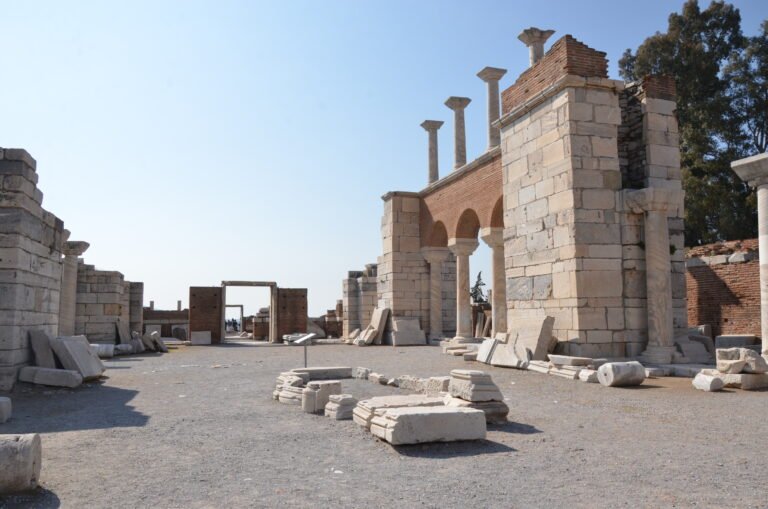
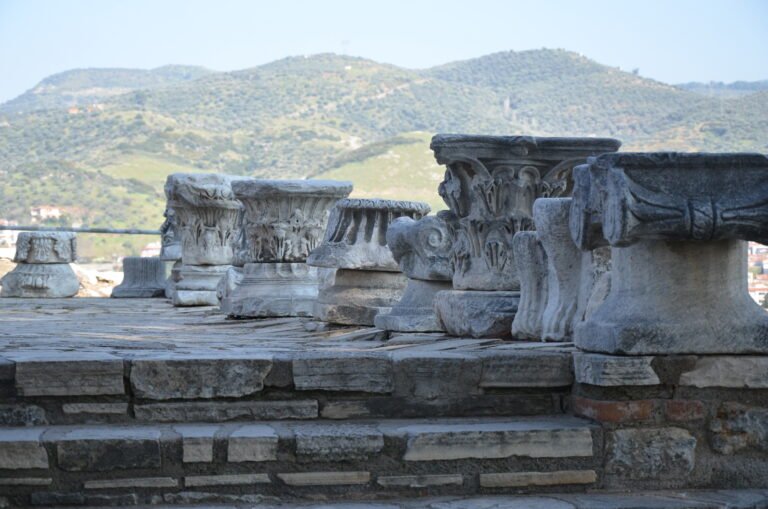
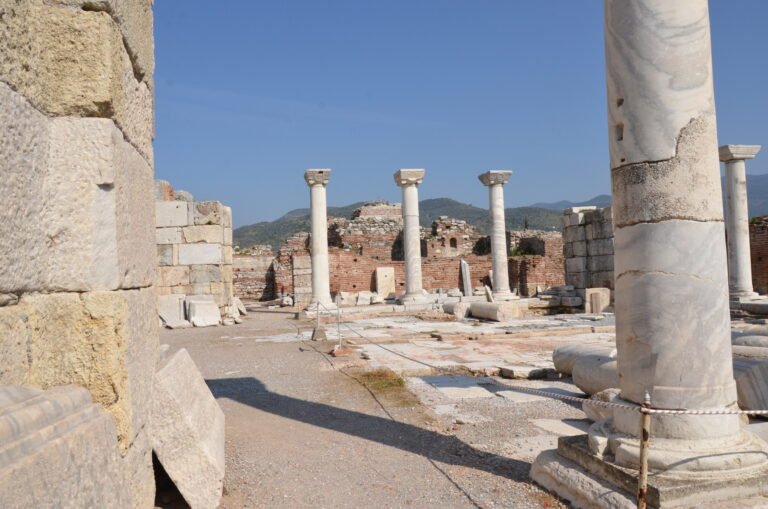
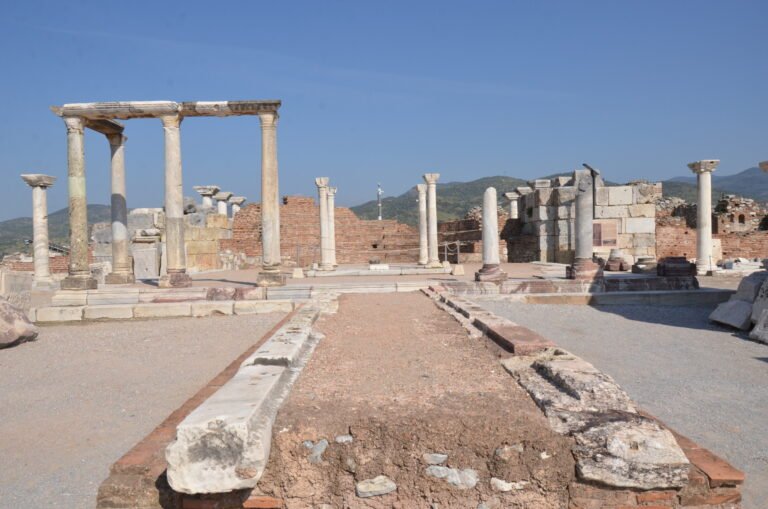
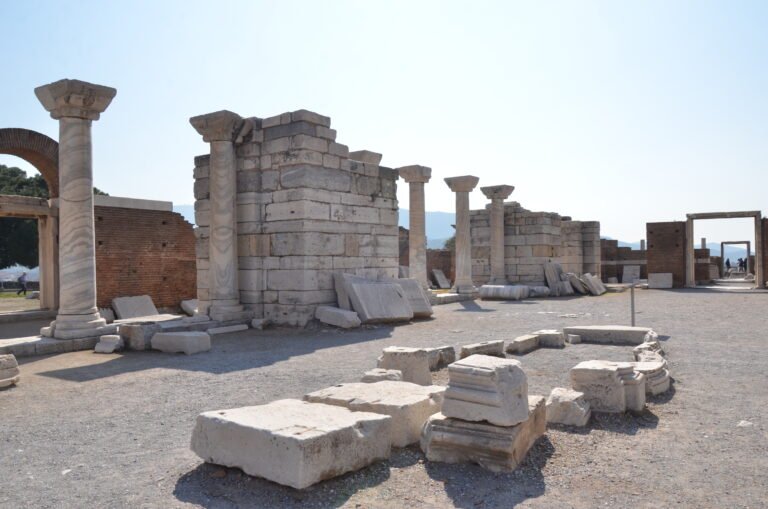
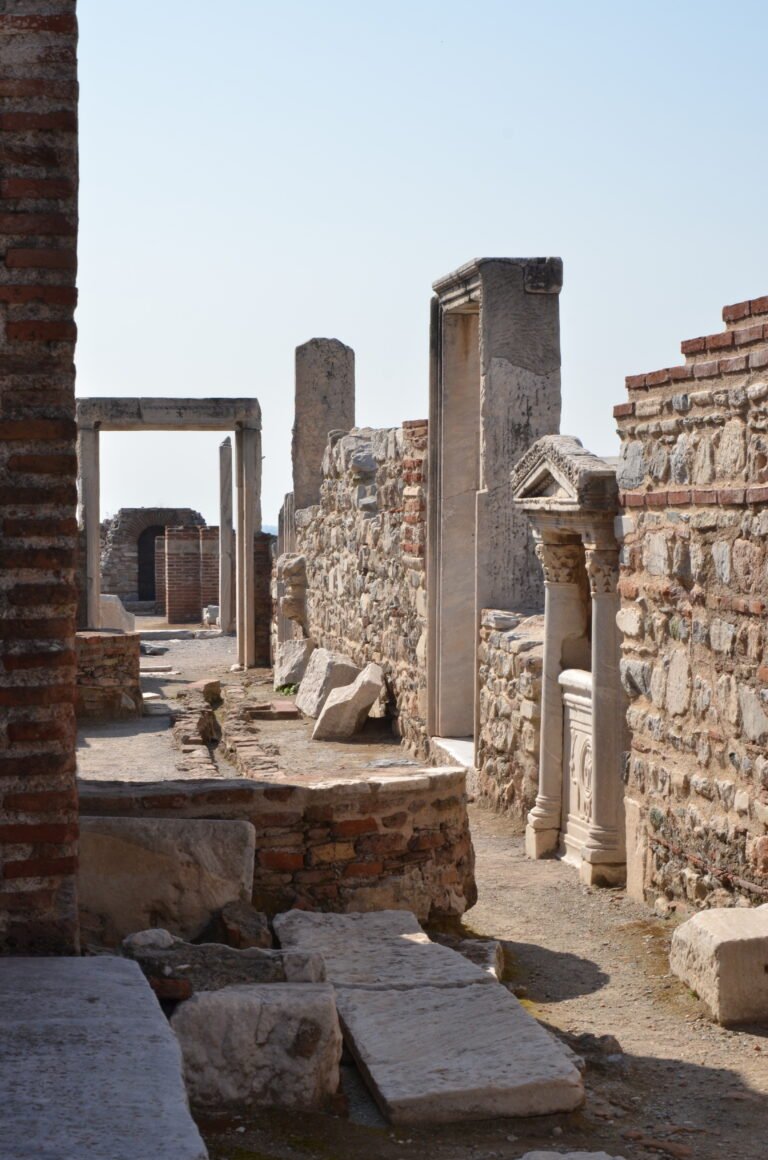
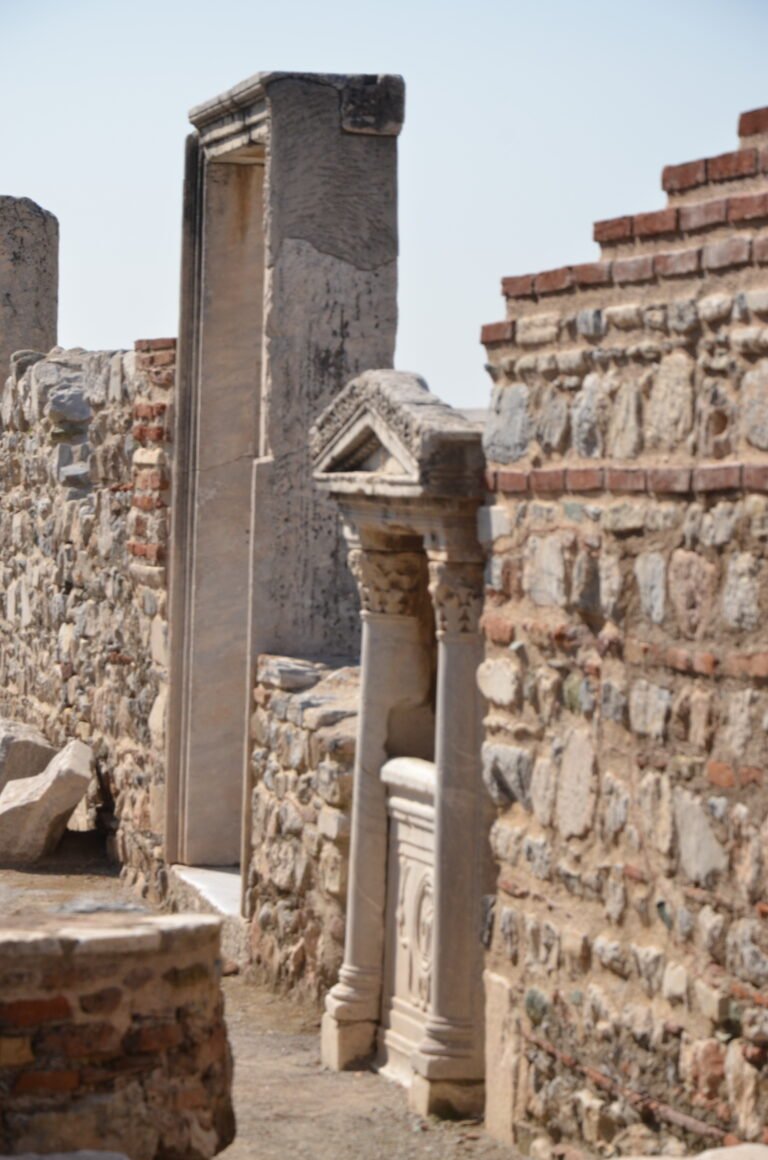
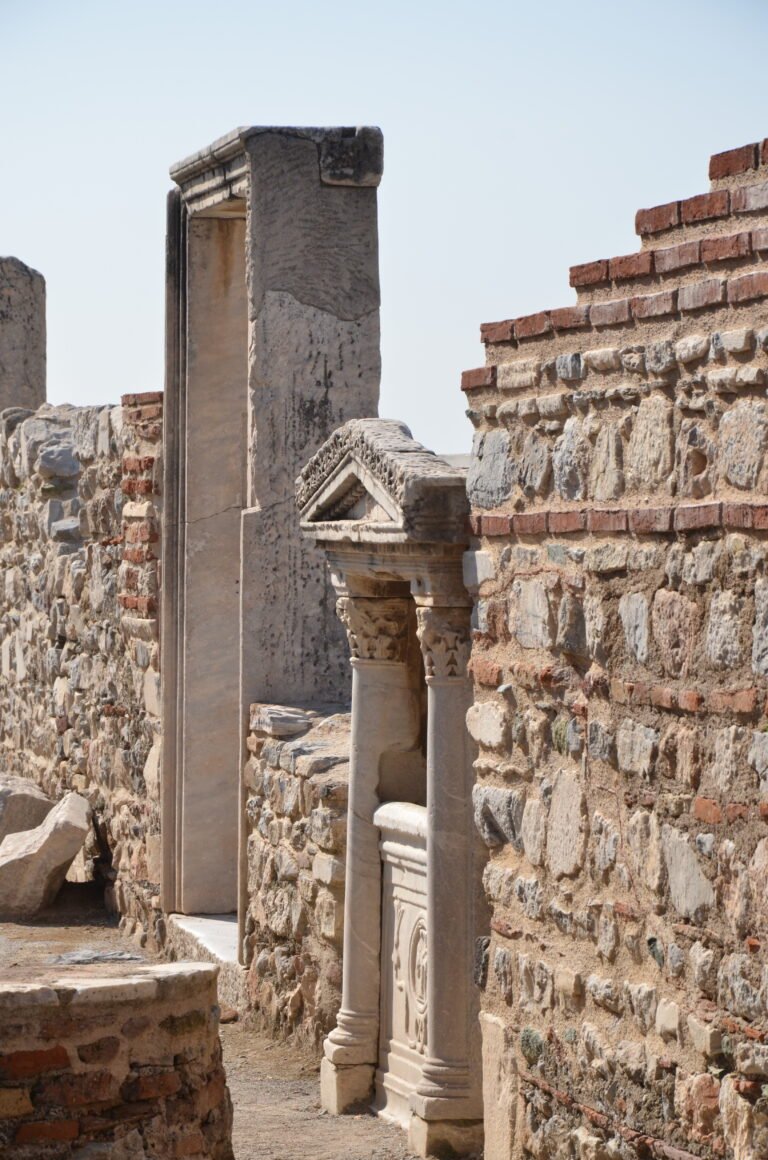
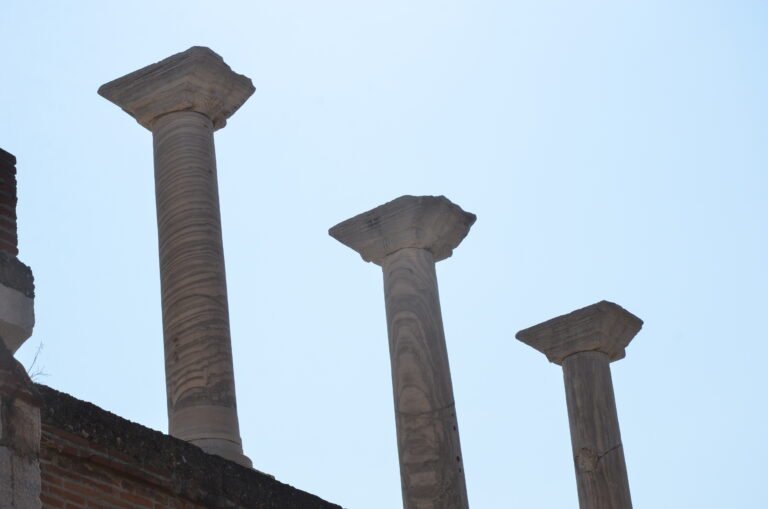
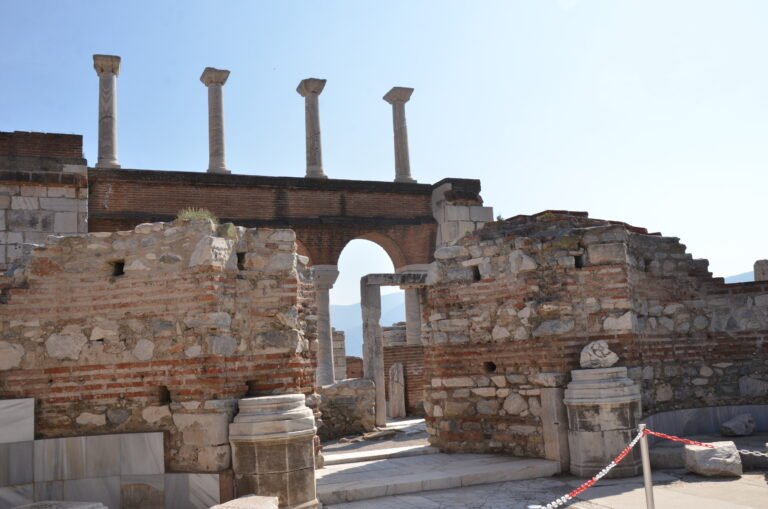
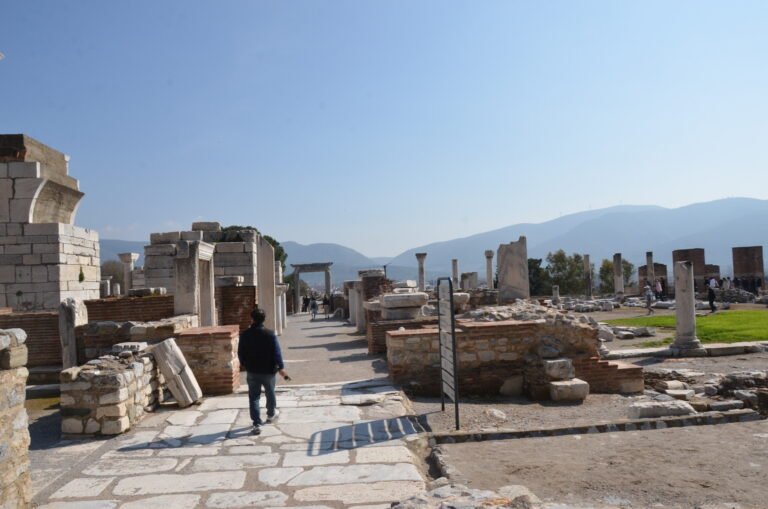
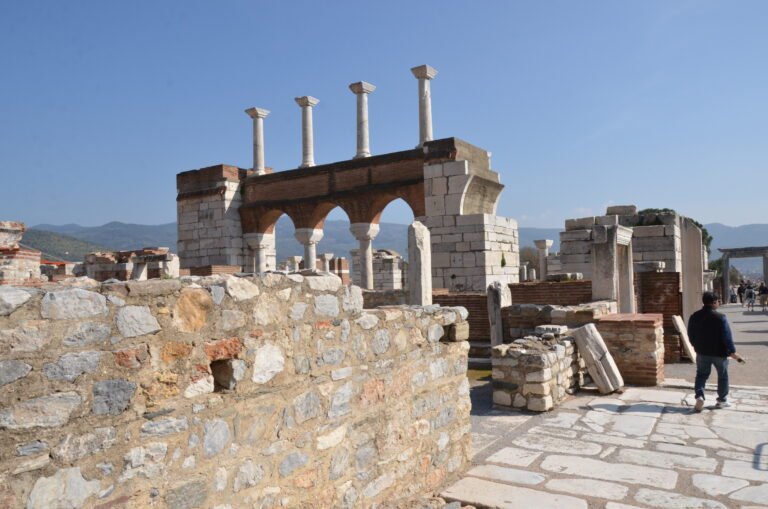
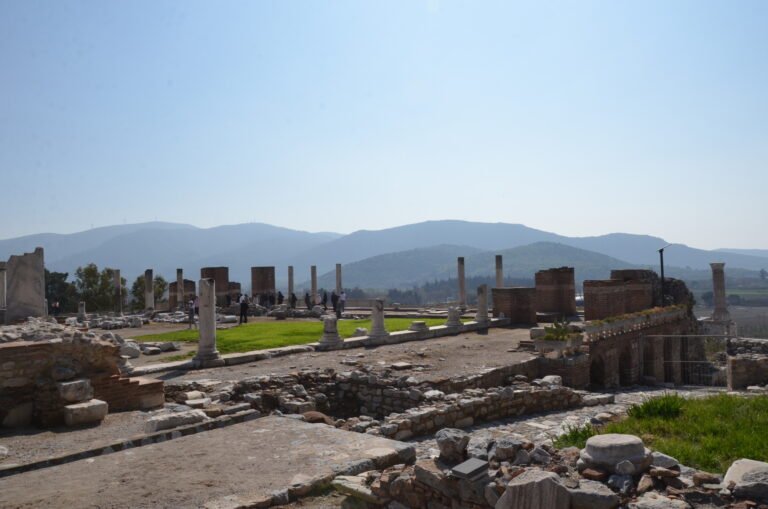
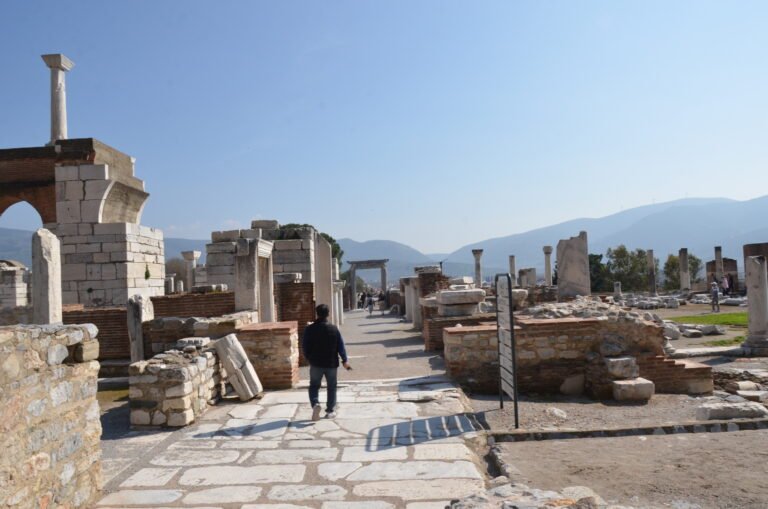
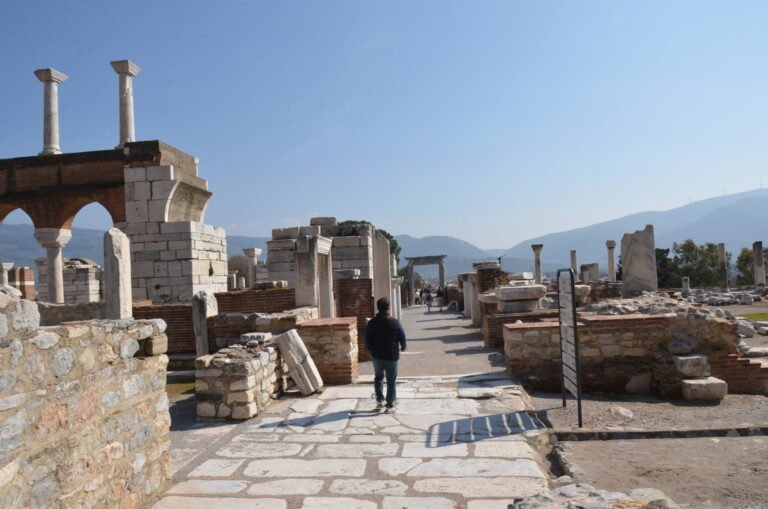
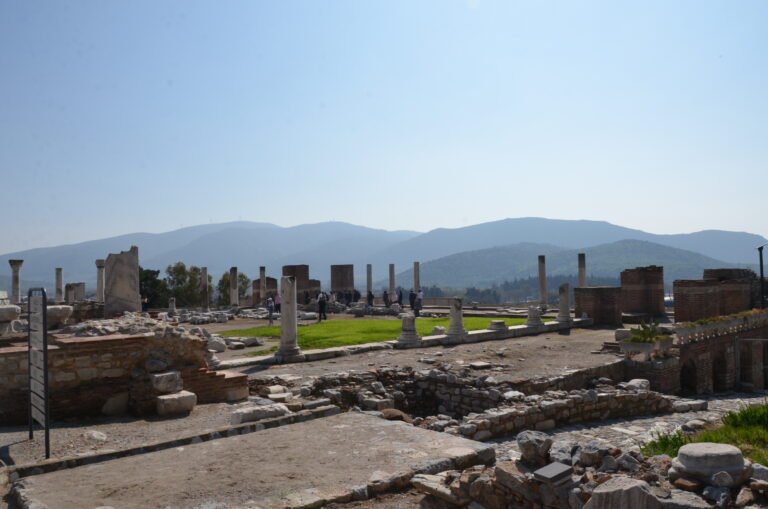
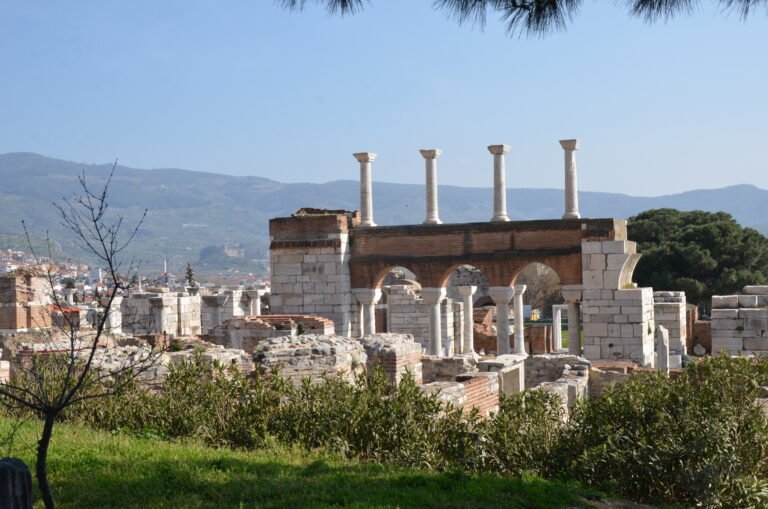
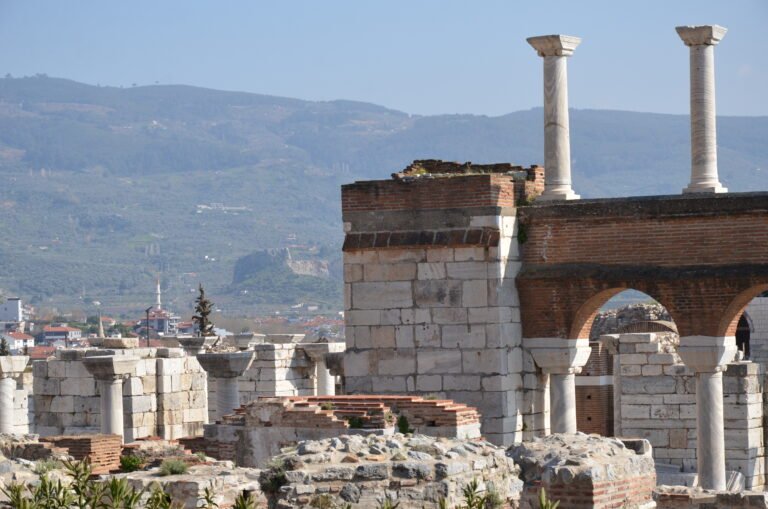
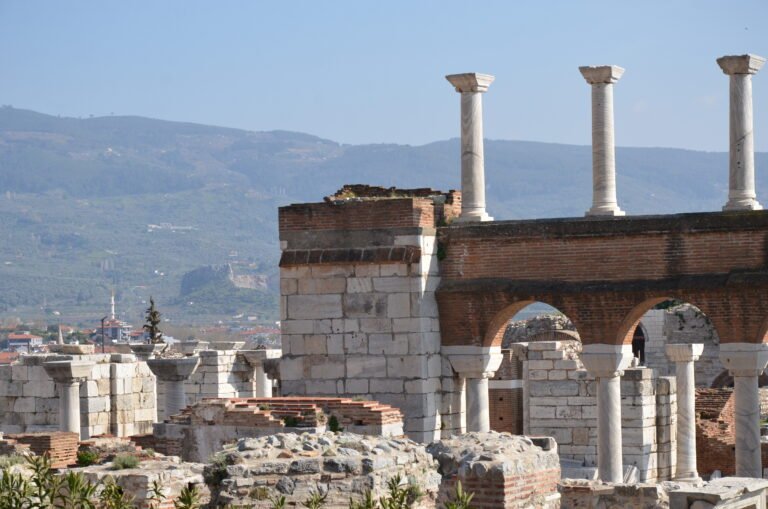
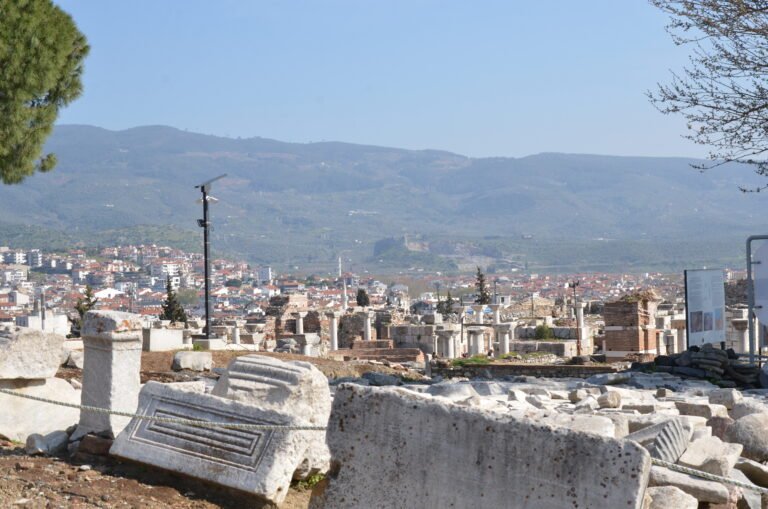
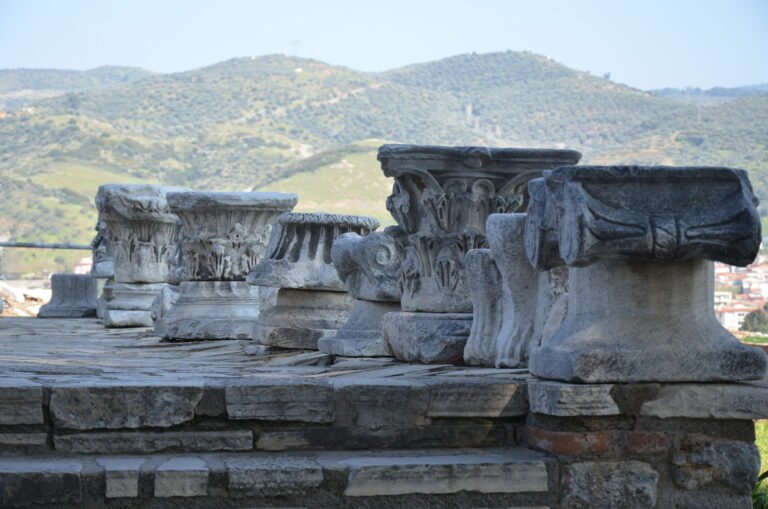
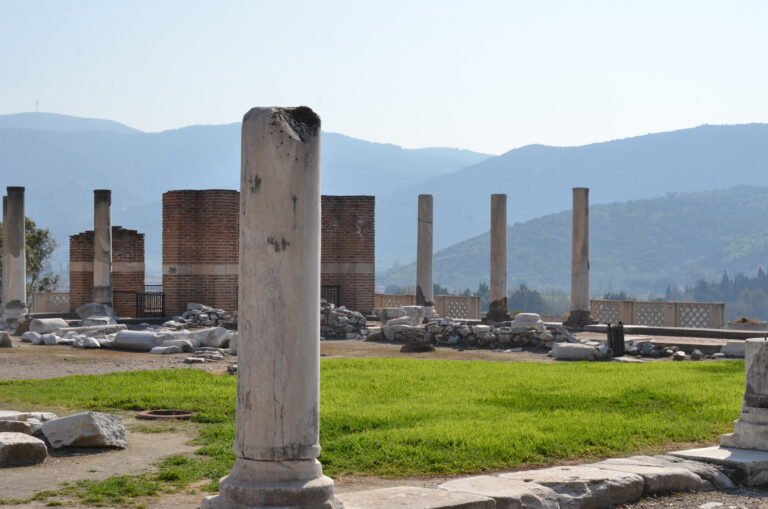
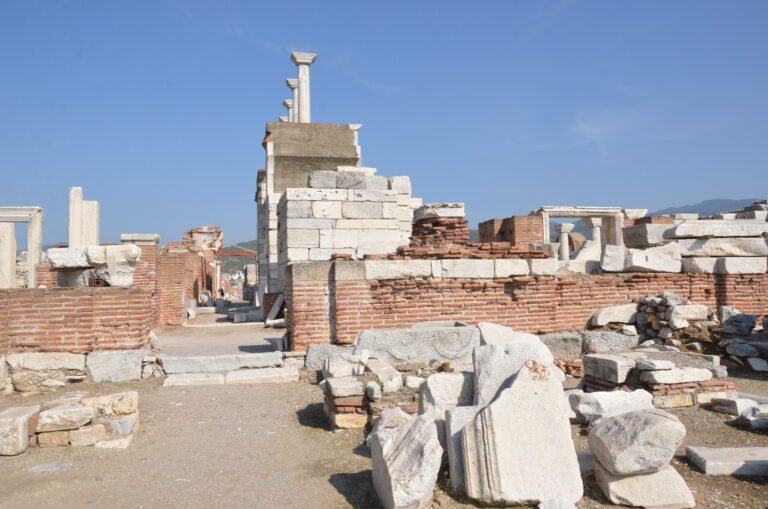
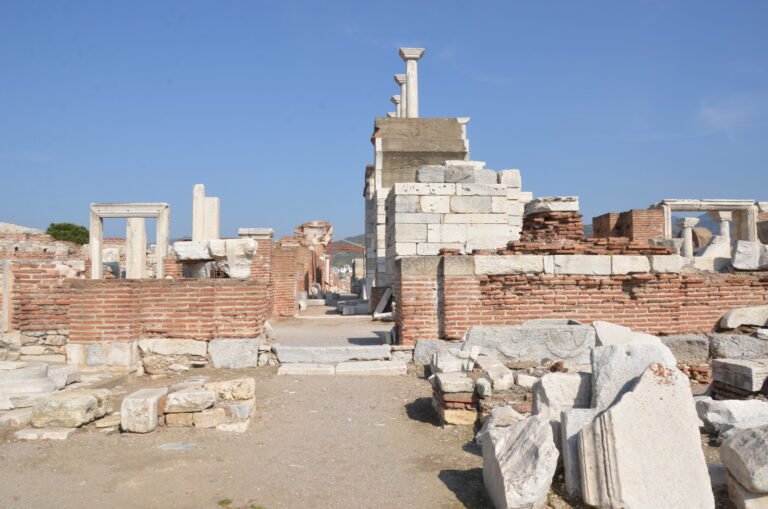
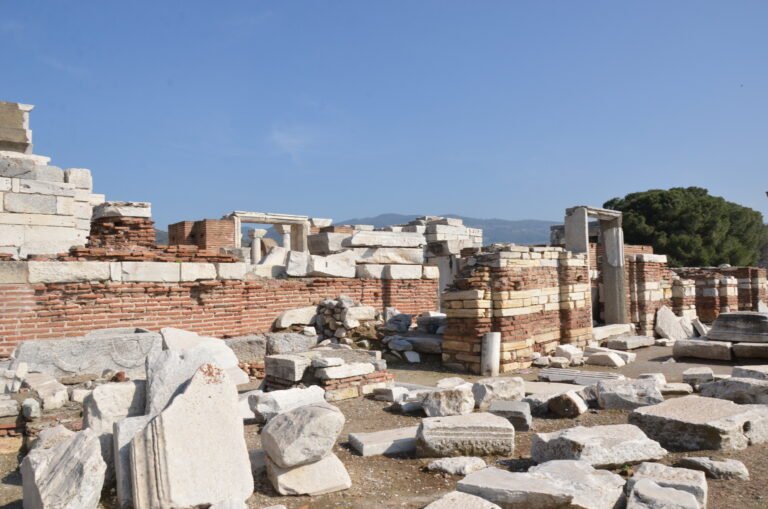
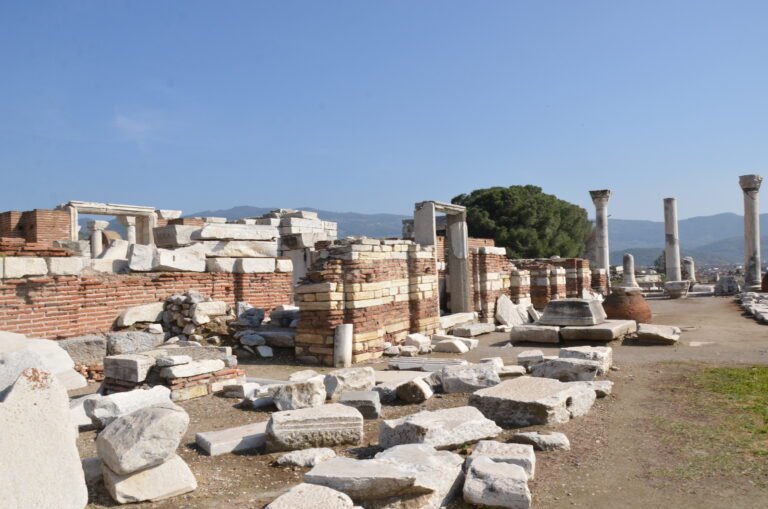
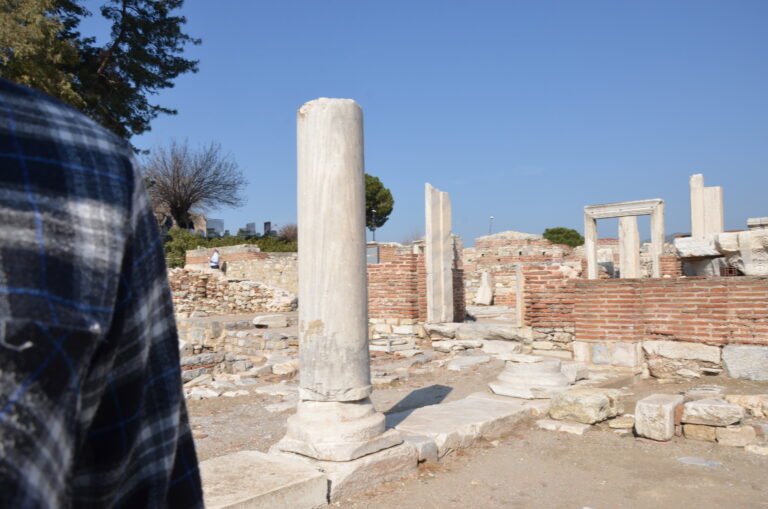
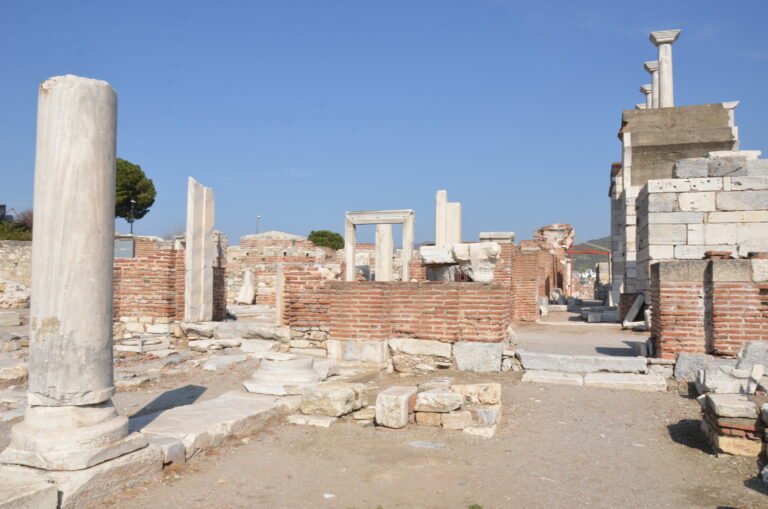
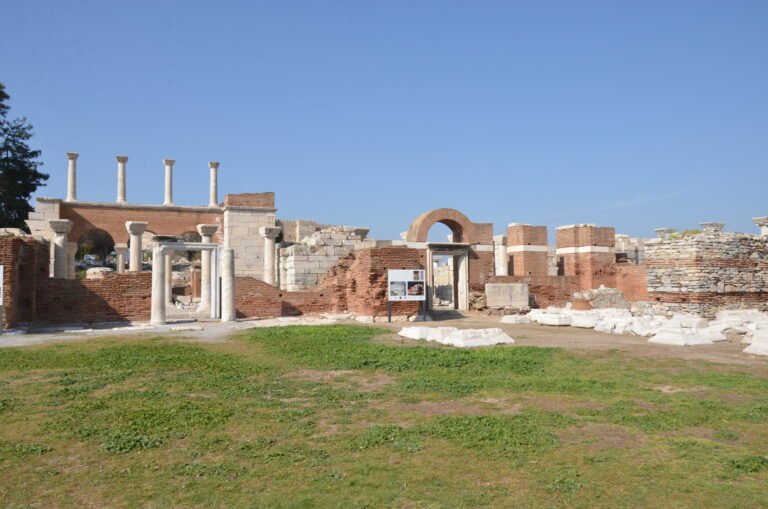
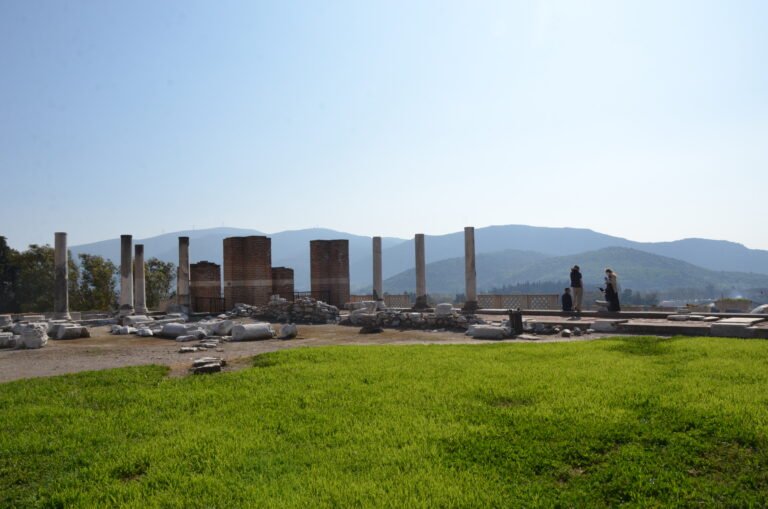
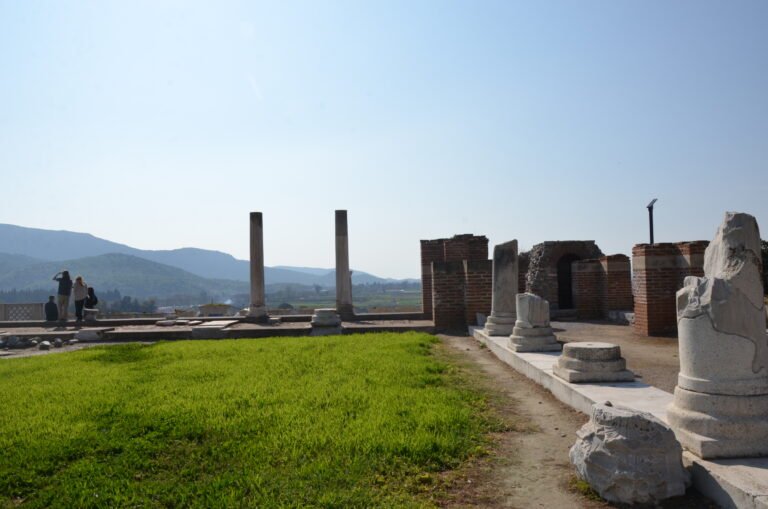
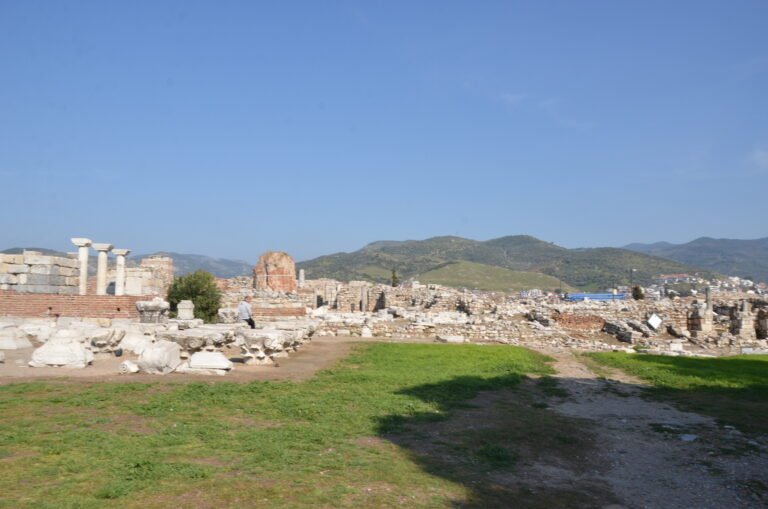
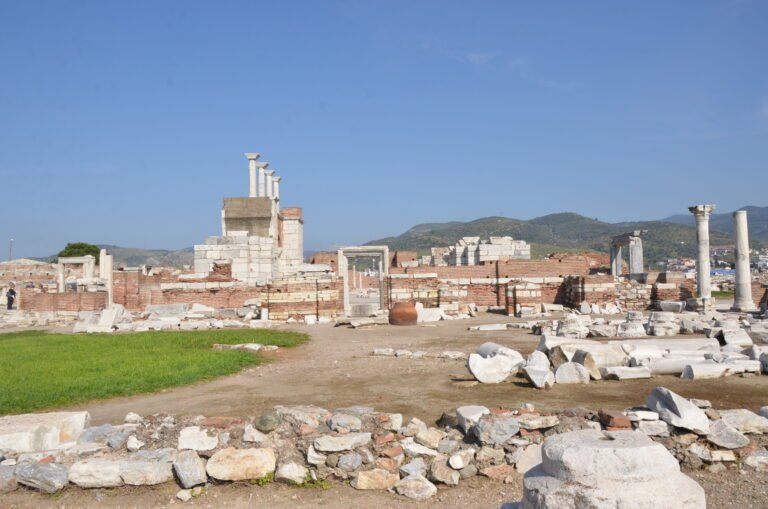
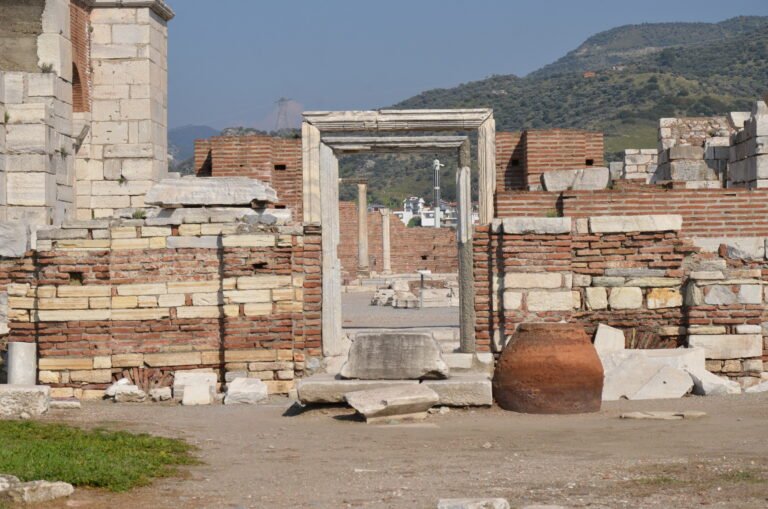
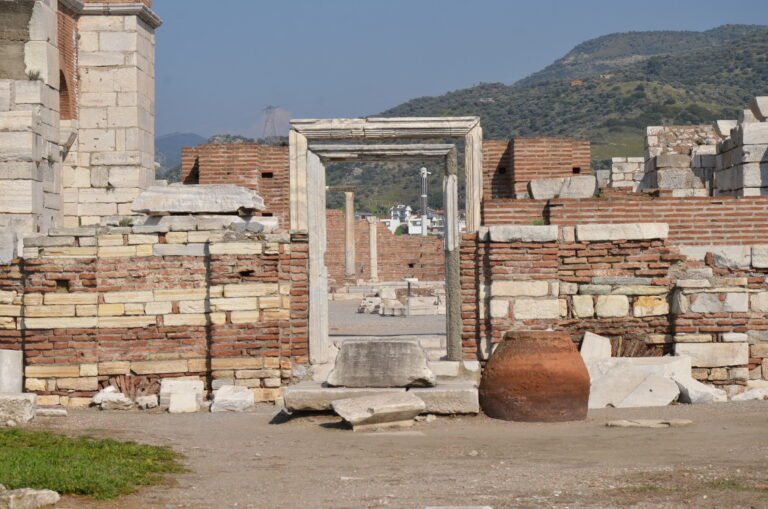
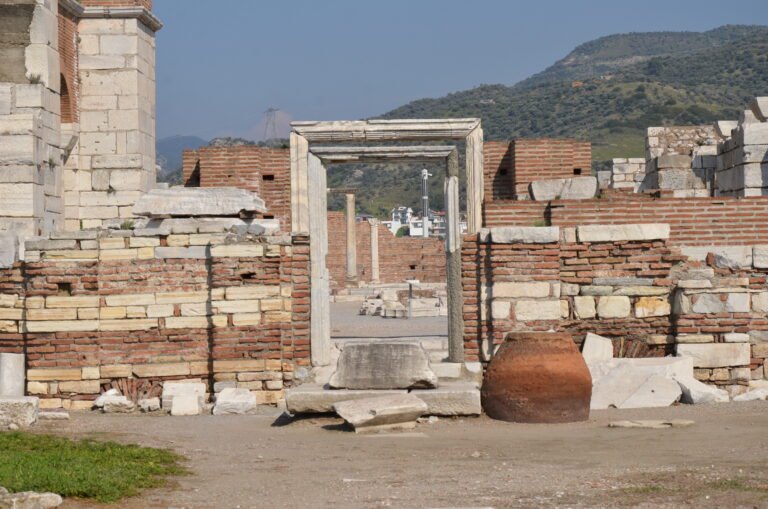
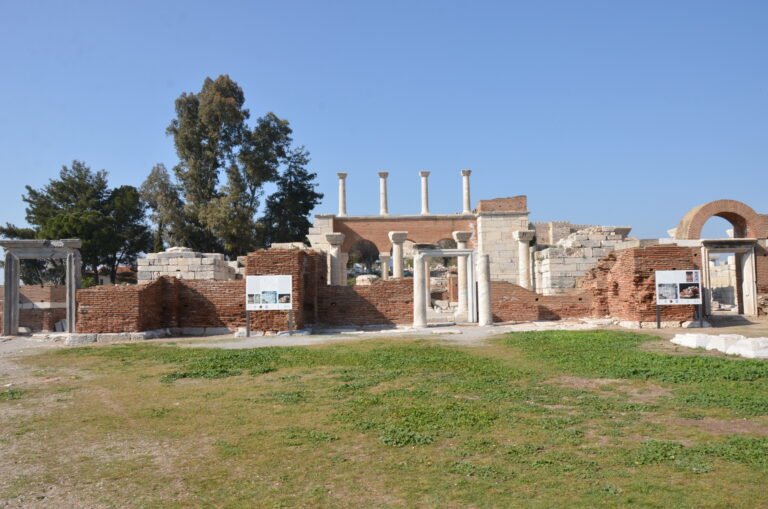
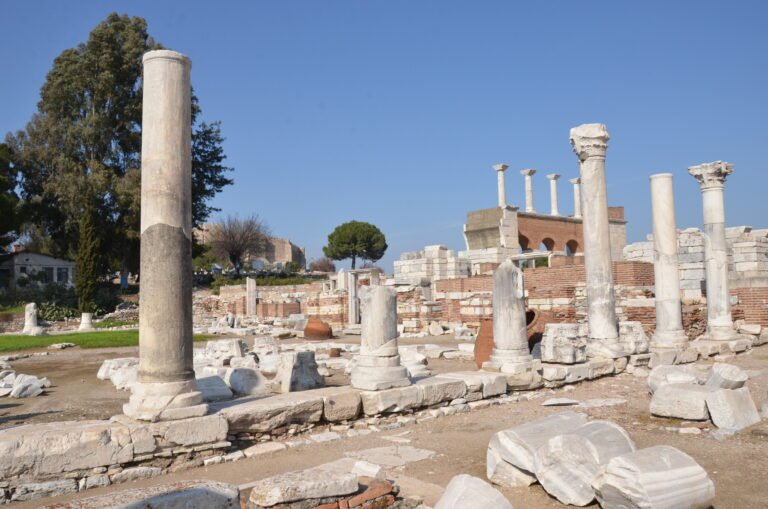
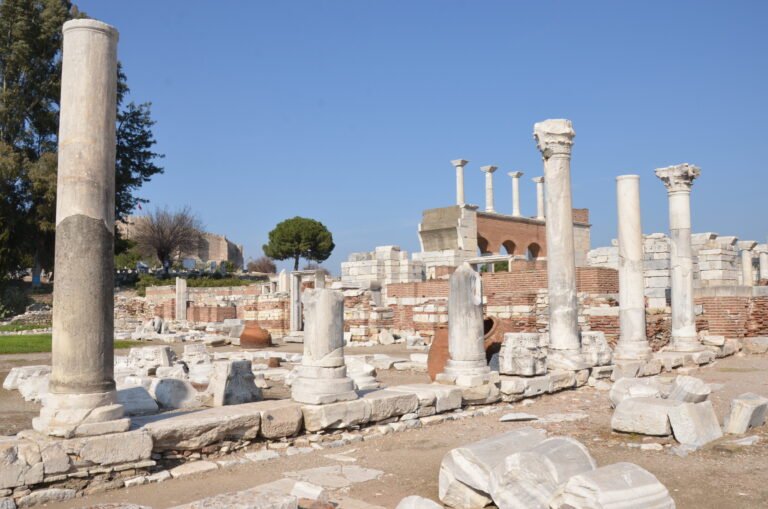
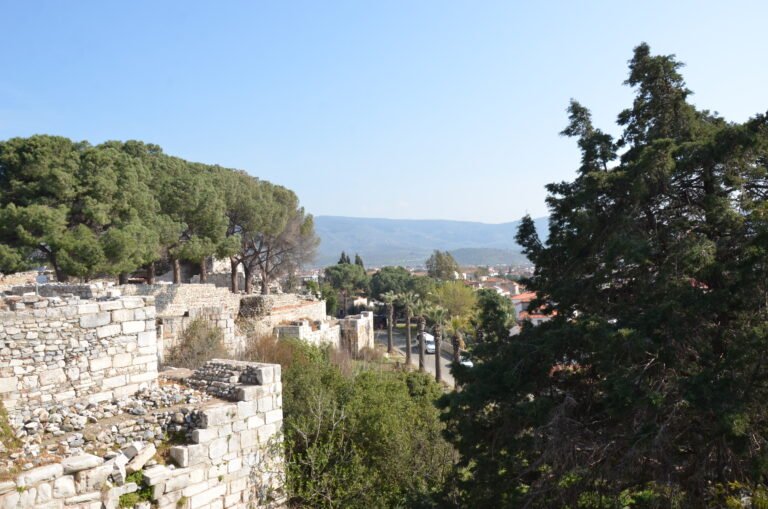
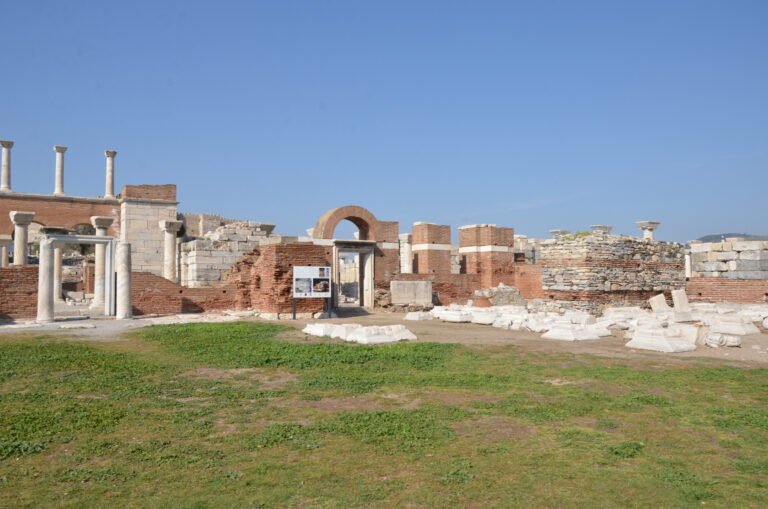
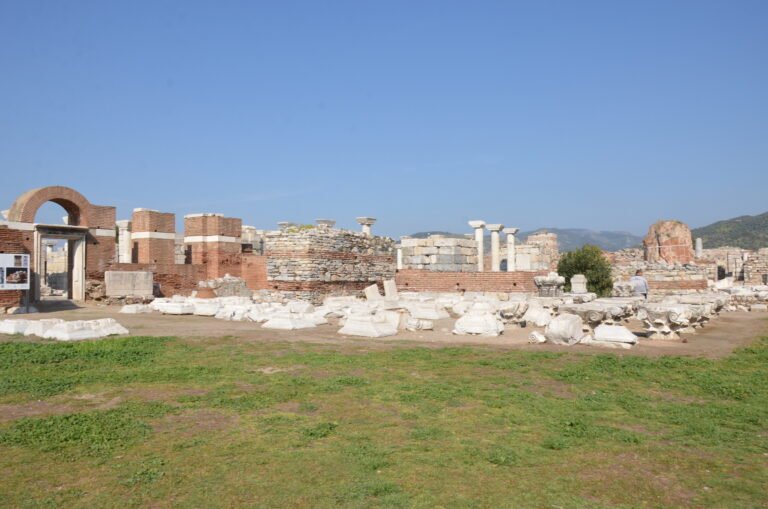
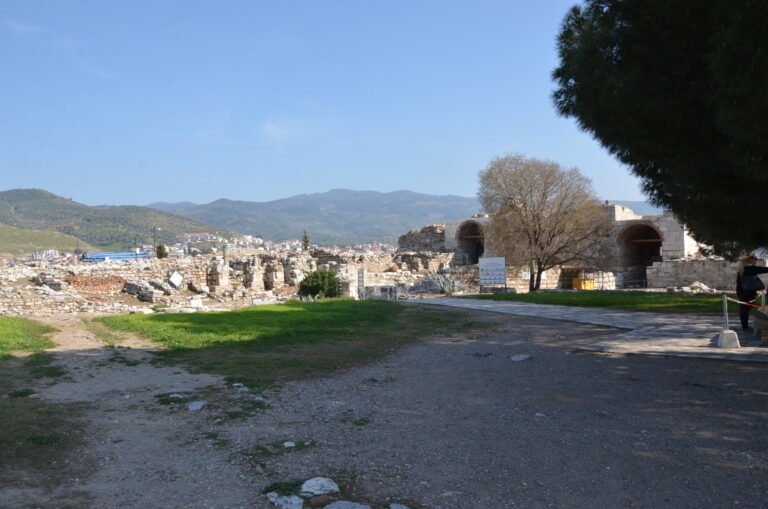
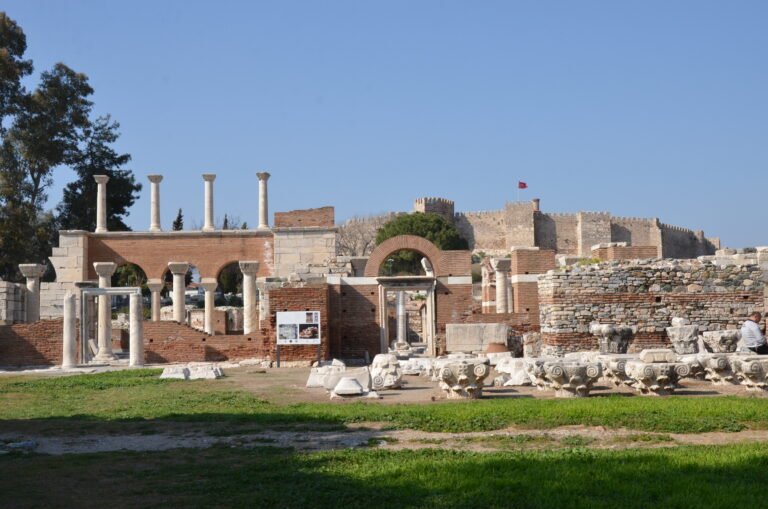
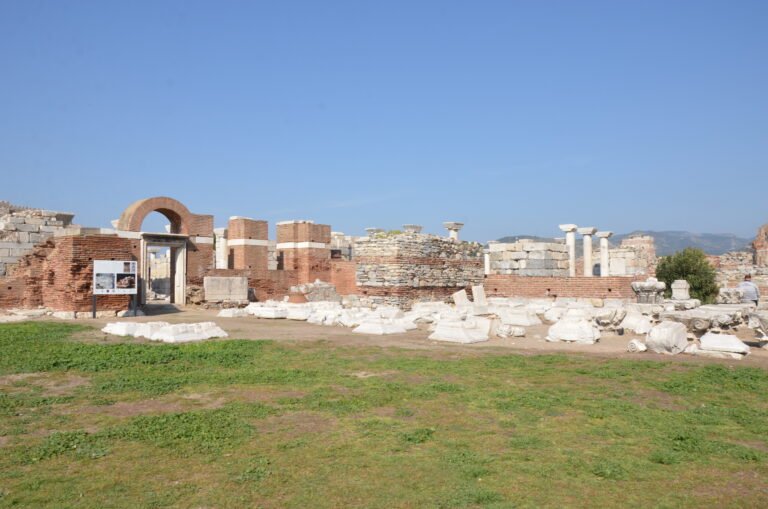
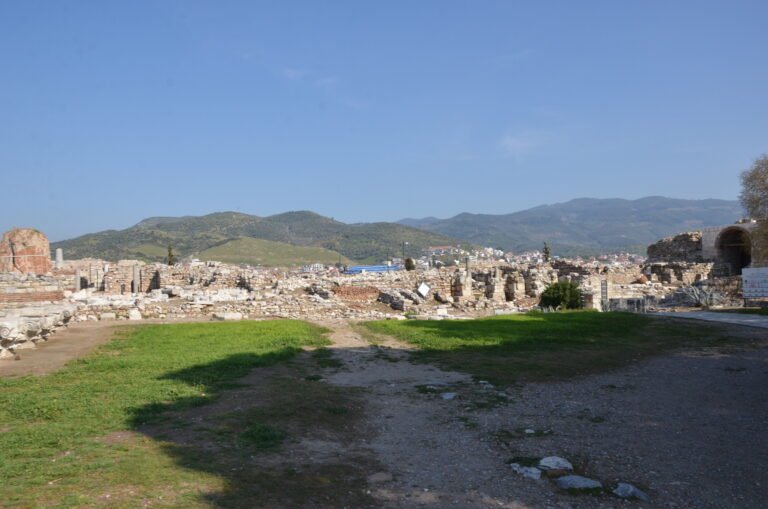
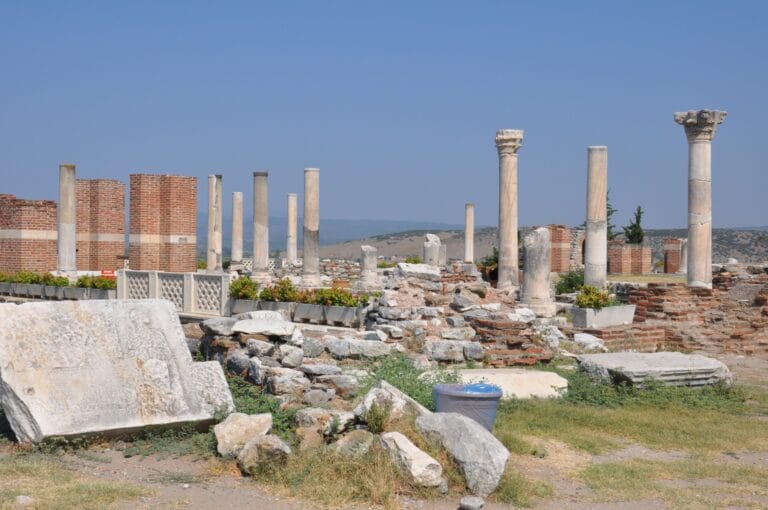
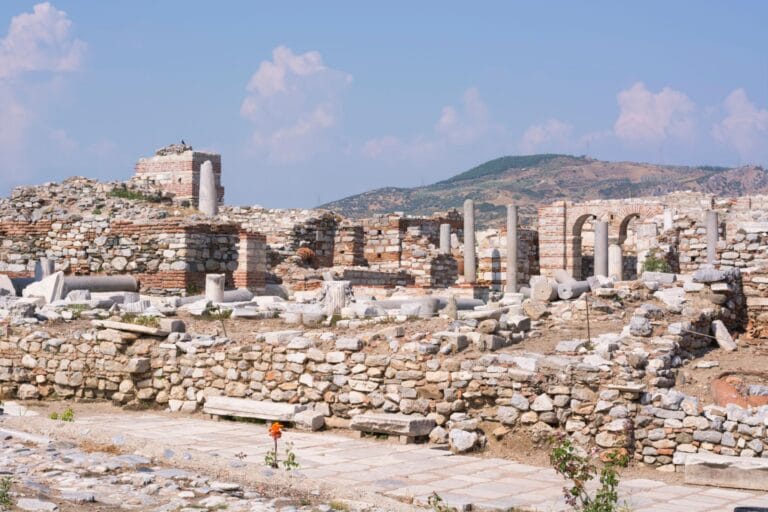
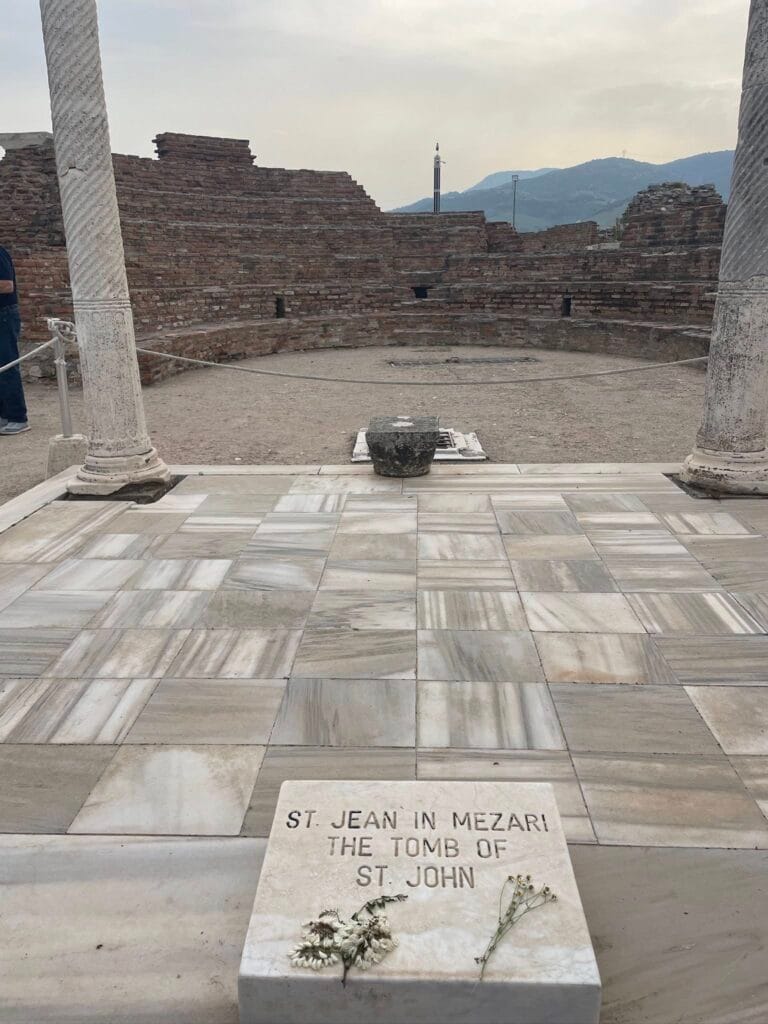
Over the centuries, earthquakes, invasions, and wars caused much of the structure to collapse. Despite this, large sections of the basilica, columns, walls, fresco remains, and the believed tomb of Saint John can still be seen today.
Architectural Features of the Basilica of St. John
The Tomb of Saint John
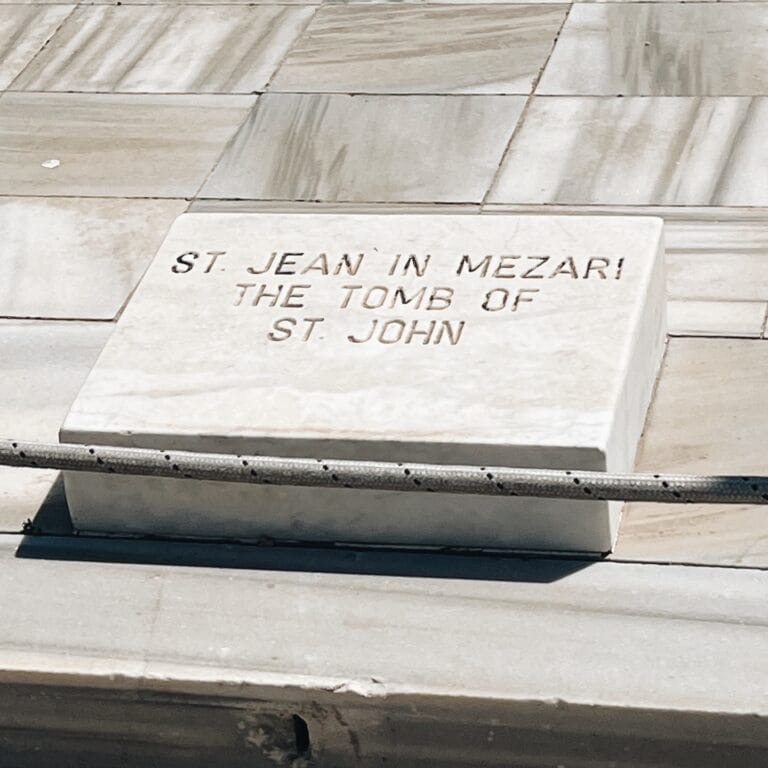
The spiritual center of the basilica is the believed tomb of Saint John located beneath the main church structure. For centuries, this site attracted pilgrims from across Europe and the Middle East.
Byzantine Architecture
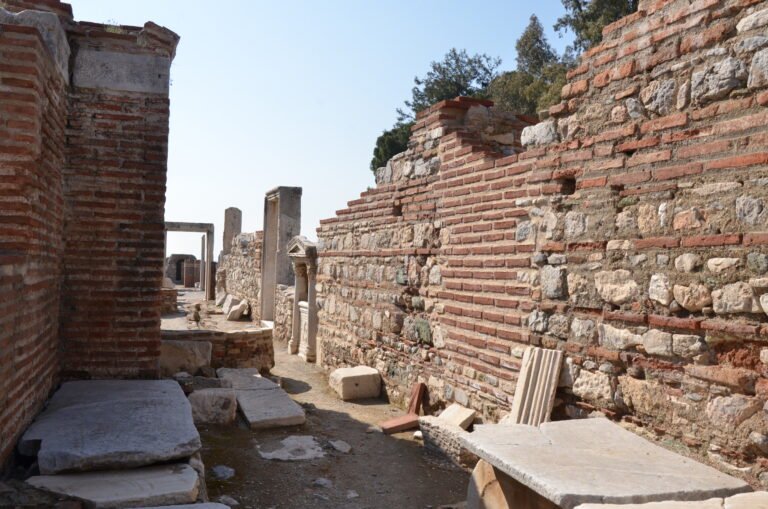
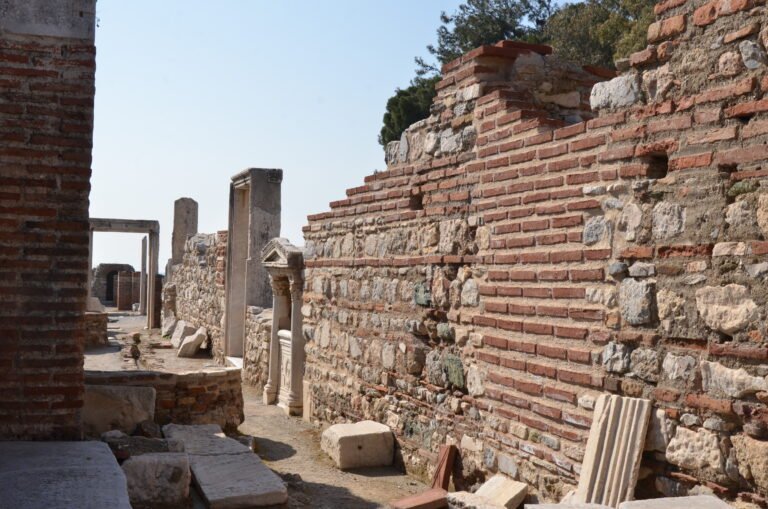
The basilica reflects the grandeur of early Byzantine architecture with massive brick walls, marble columns, domes, and cross-shaped planning typical of the period.
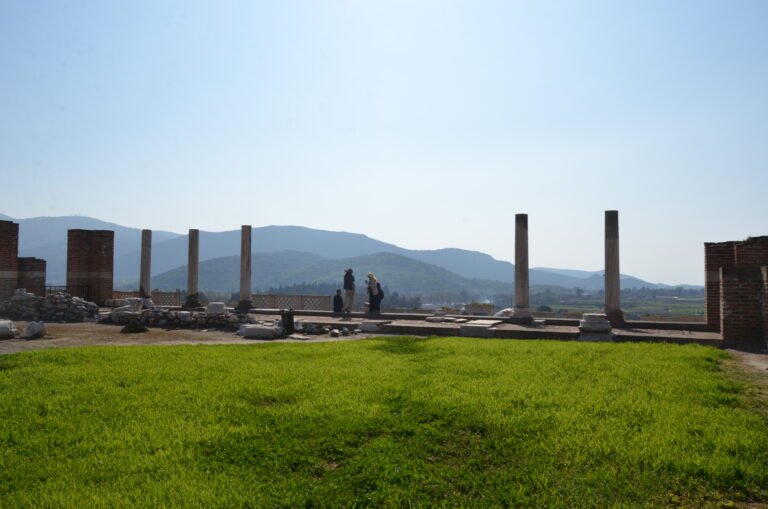
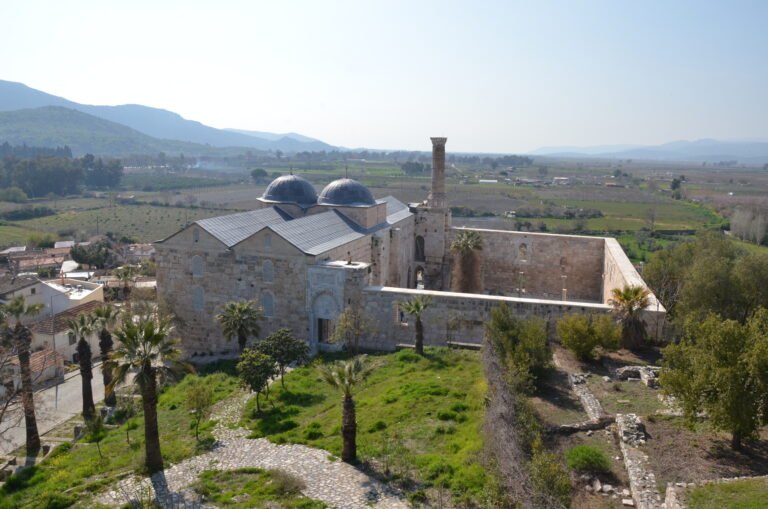
Ayasuluk Hill Location
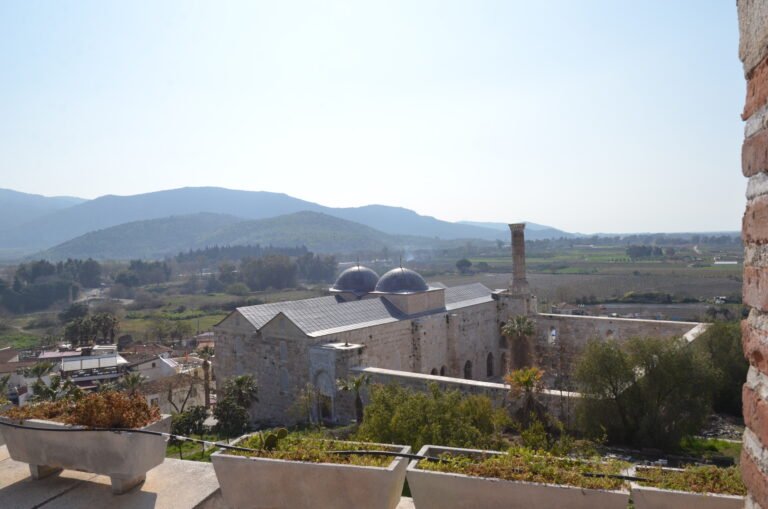
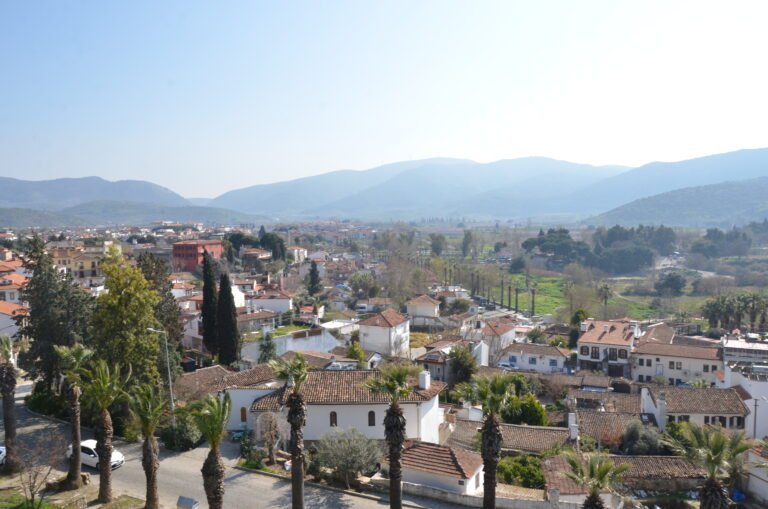
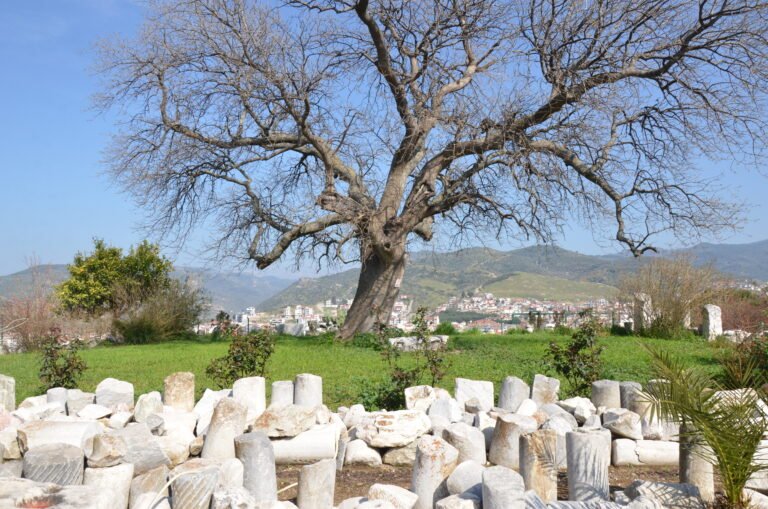
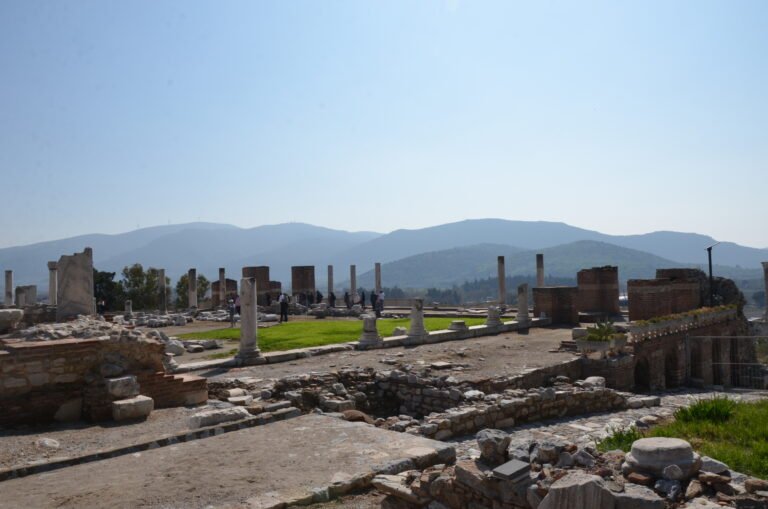
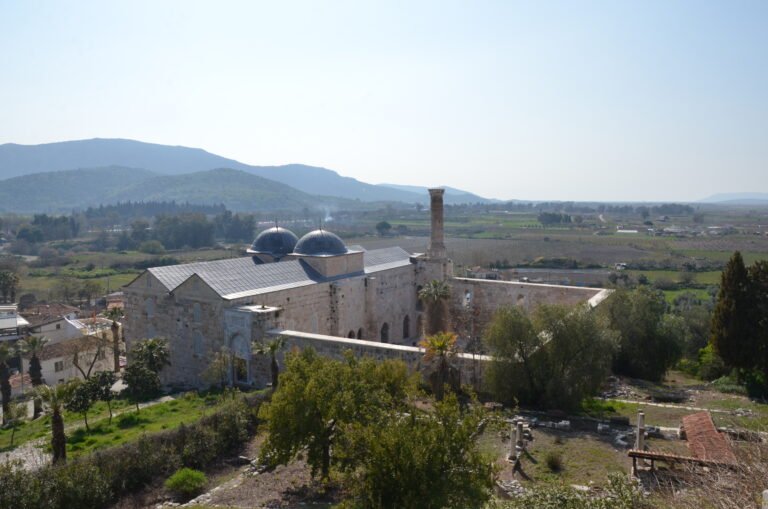
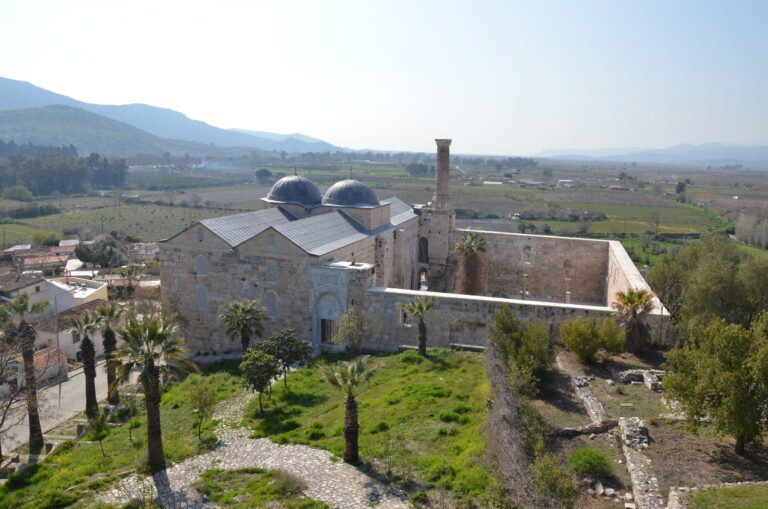
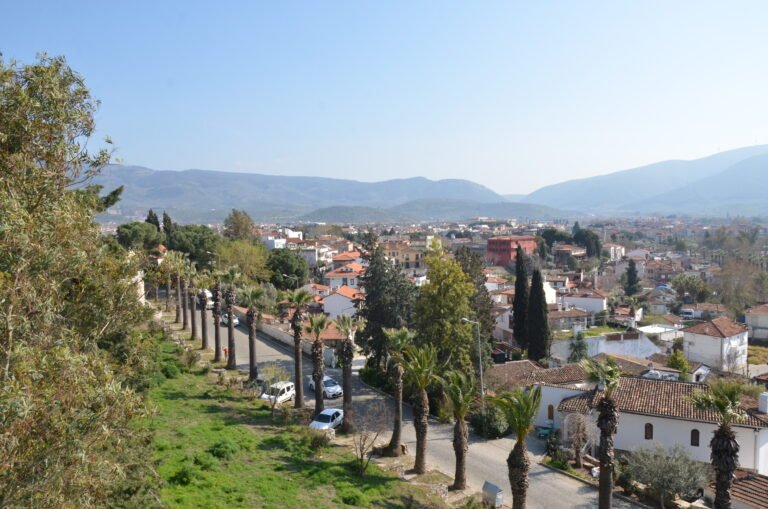
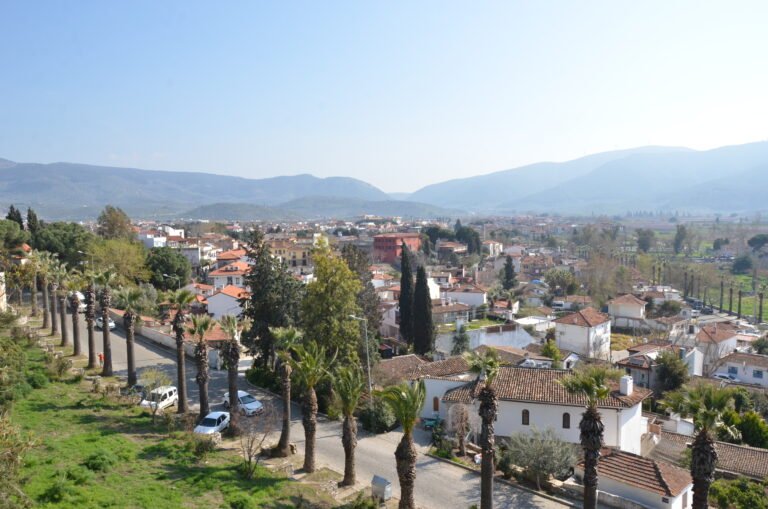
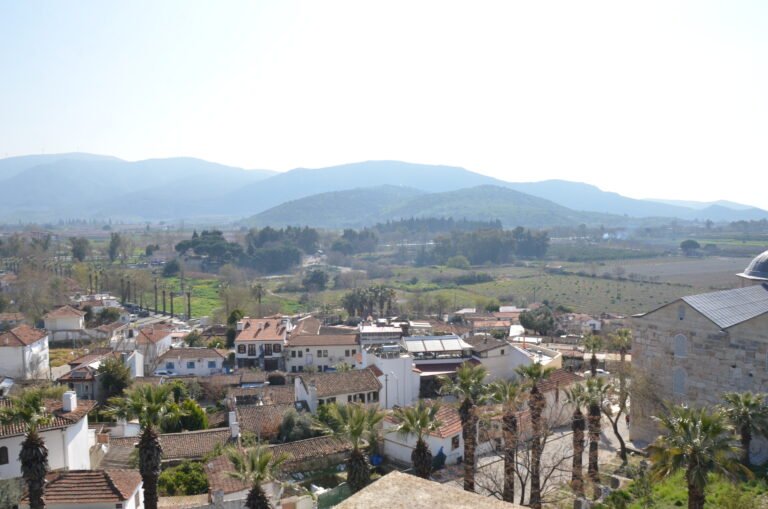
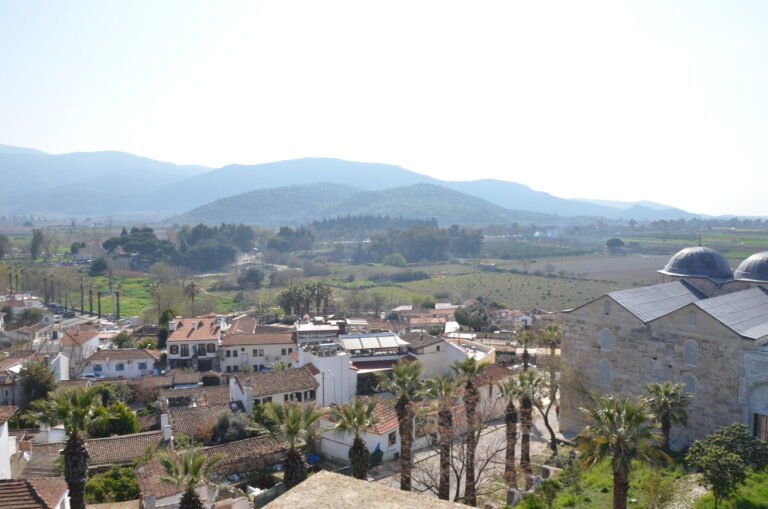
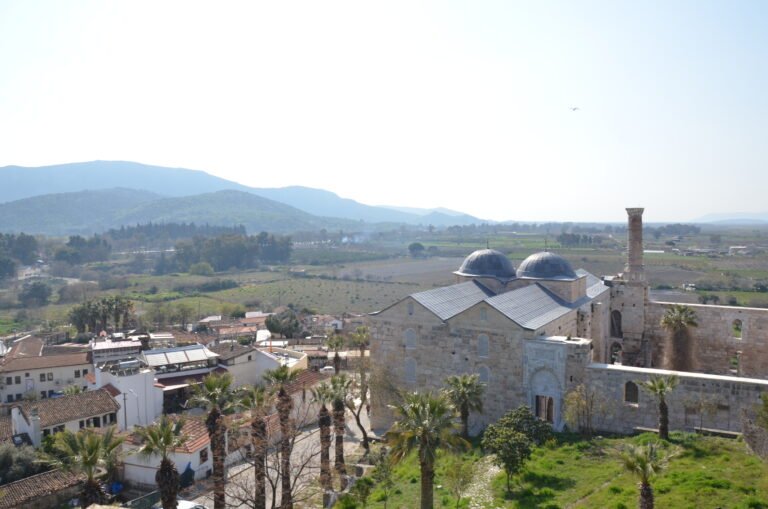
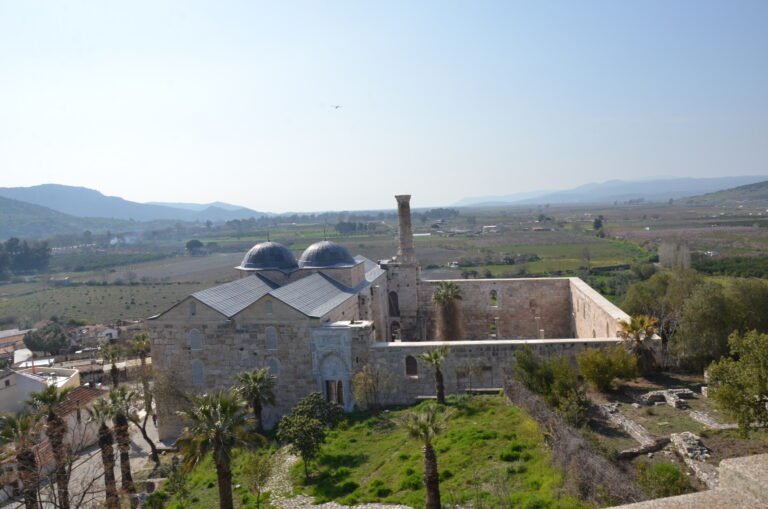
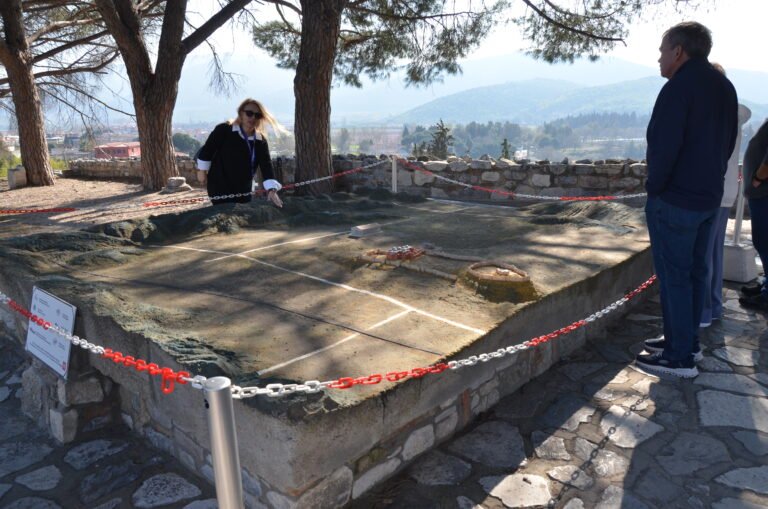
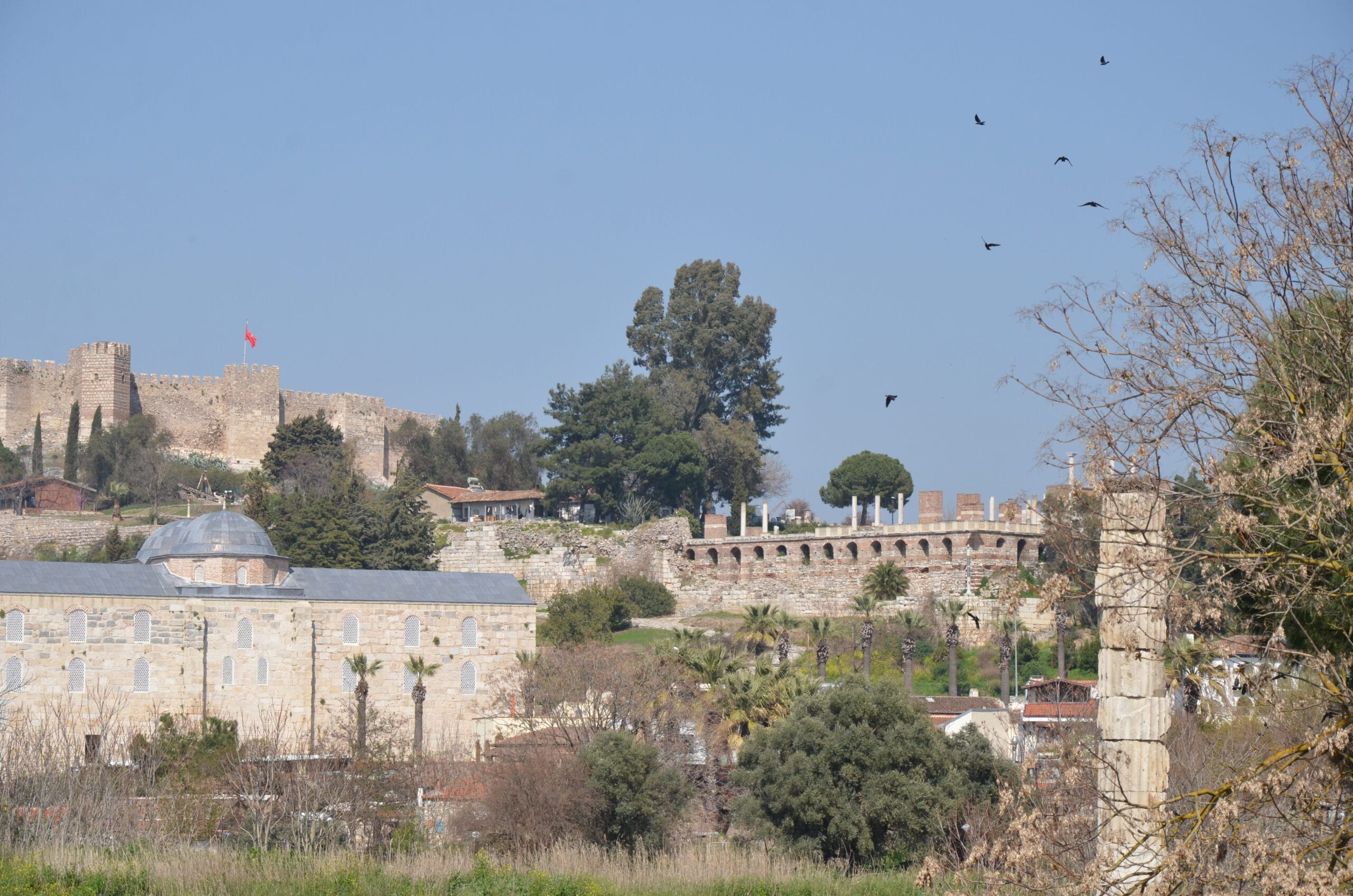
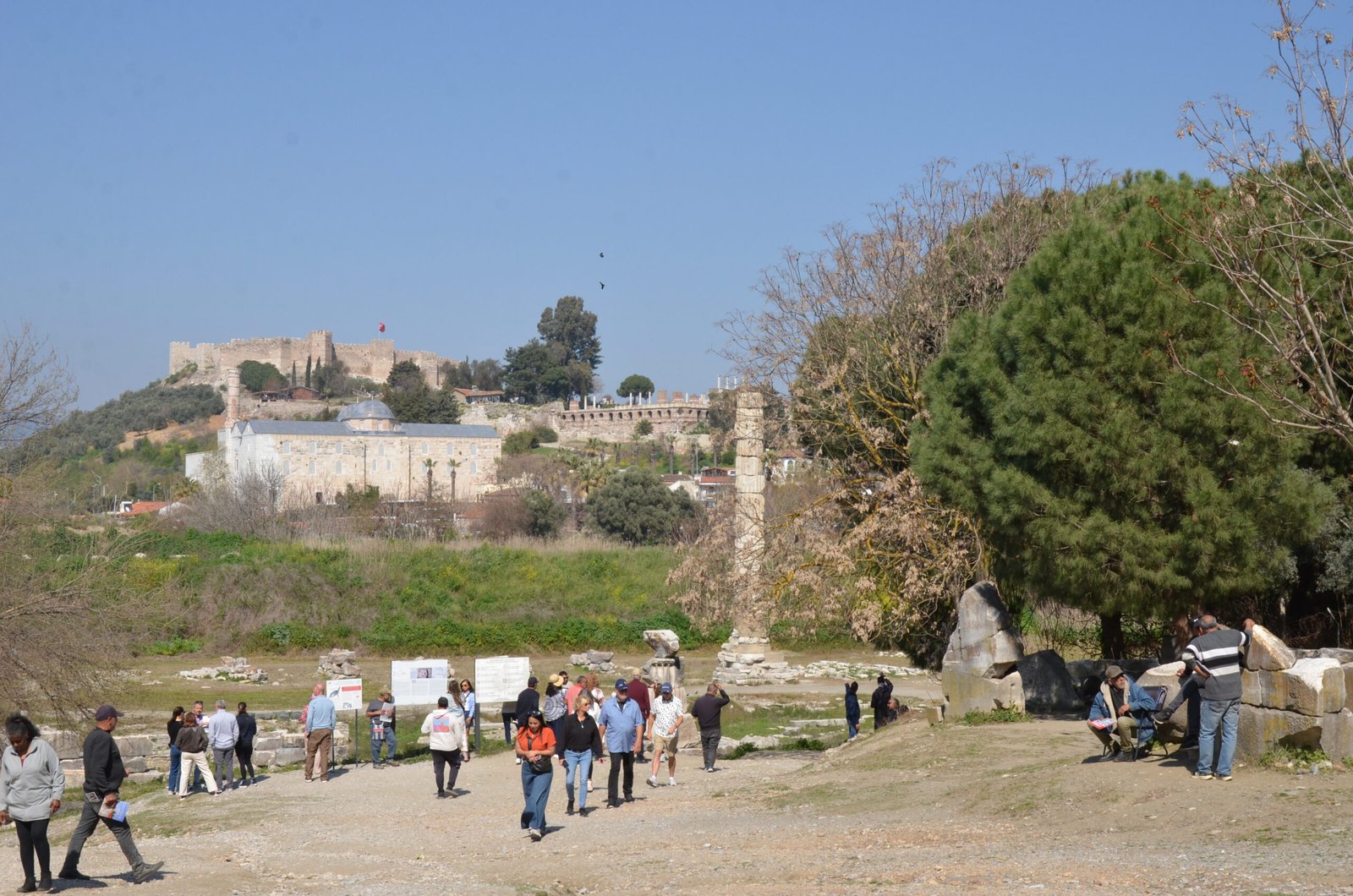
The basilica occupies one of the most strategic and symbolic locations in Selcuk. From the hill, visitors can overlook:
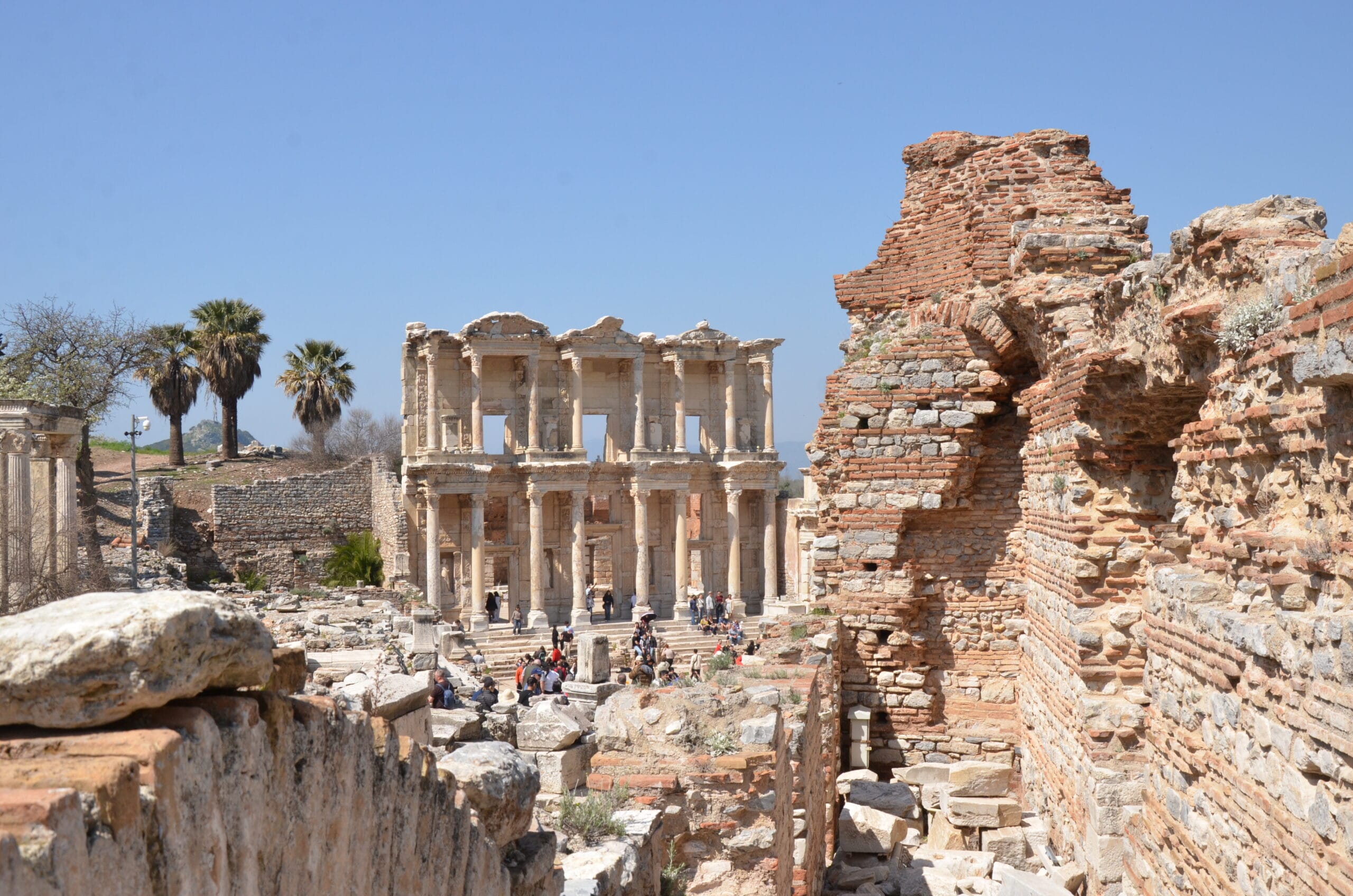
- Ephesus Ancient City
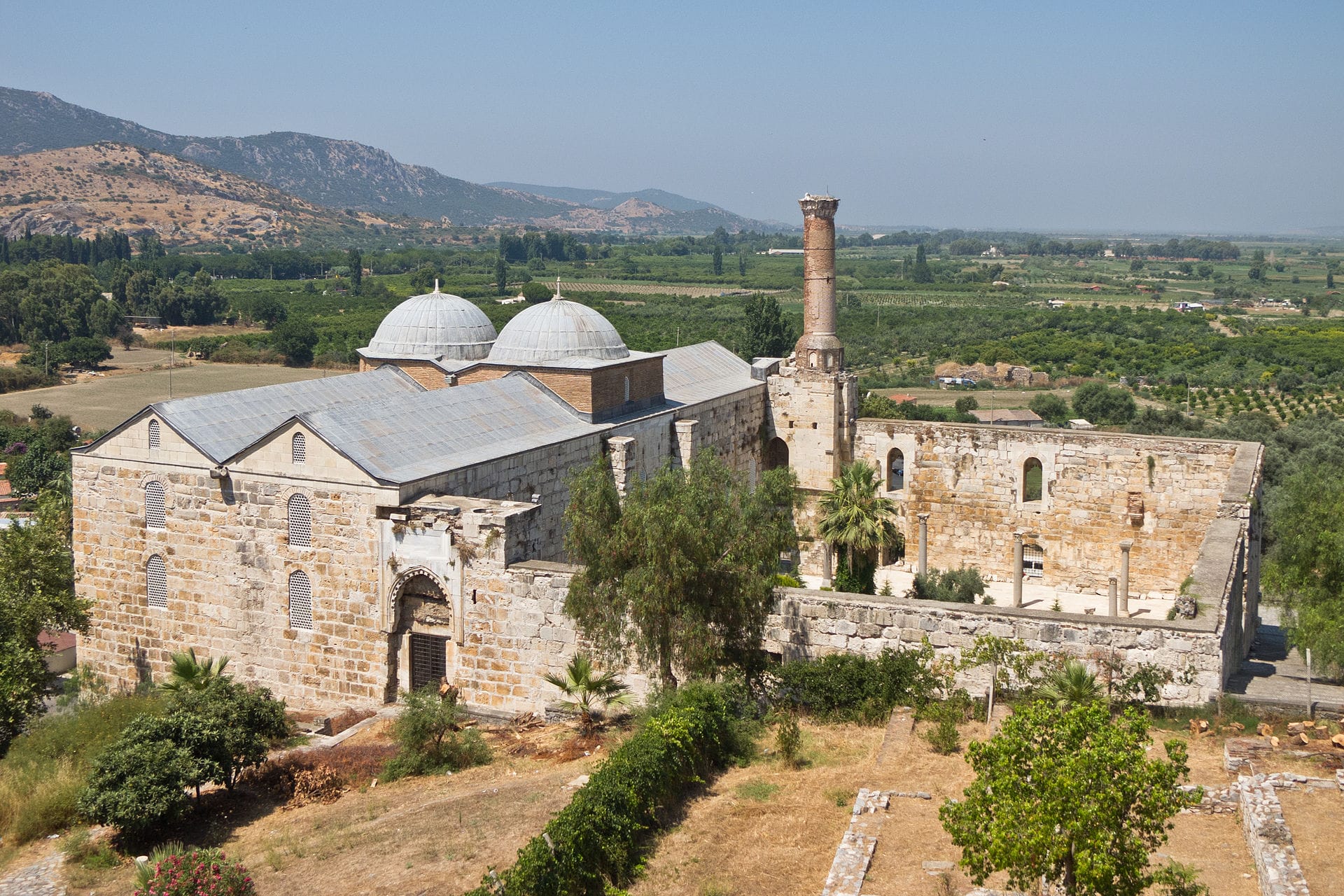
- Isa Bey Mosque
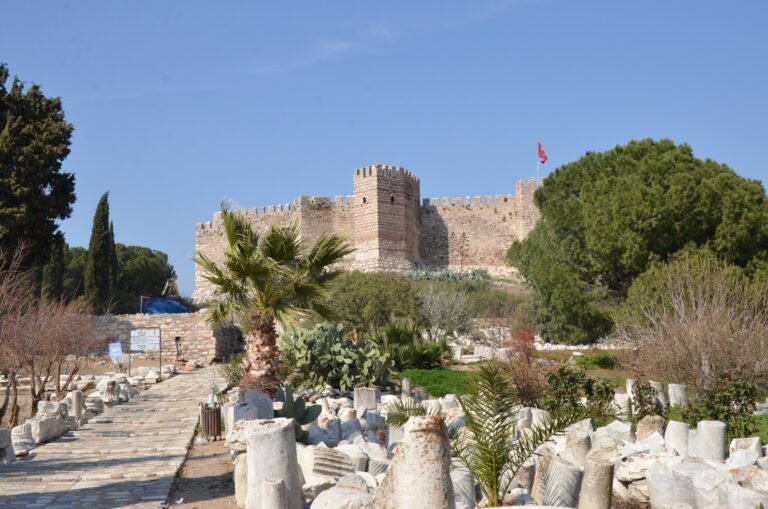
- Ayasuluk Castle
- Temple of Artemis
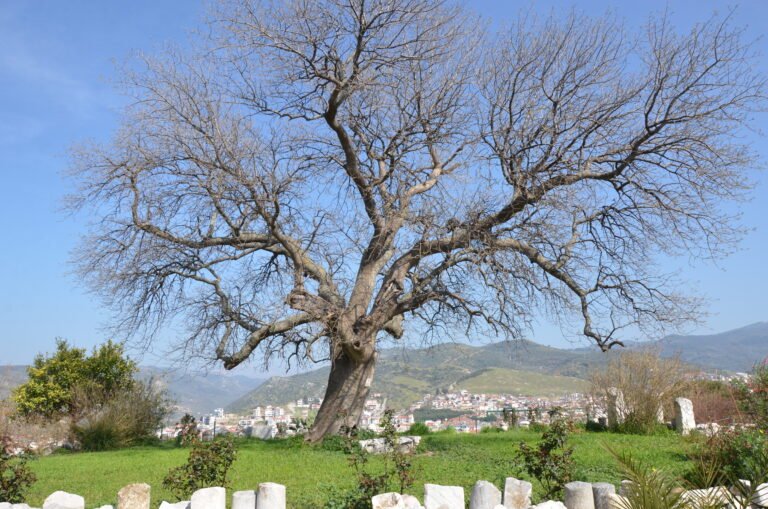
- the surrounding Selcuk plain
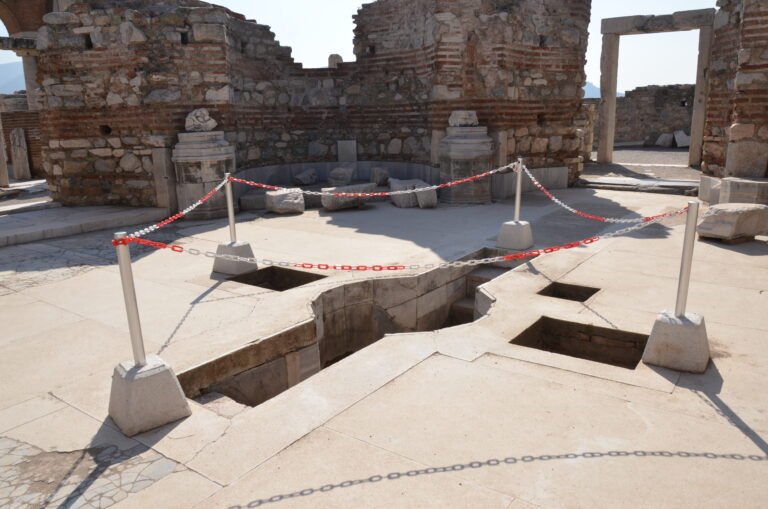
The Baptistery and Courtyard
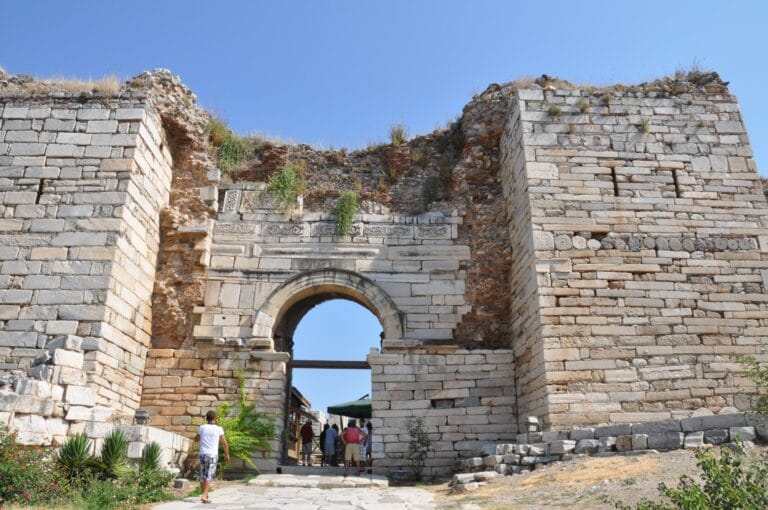
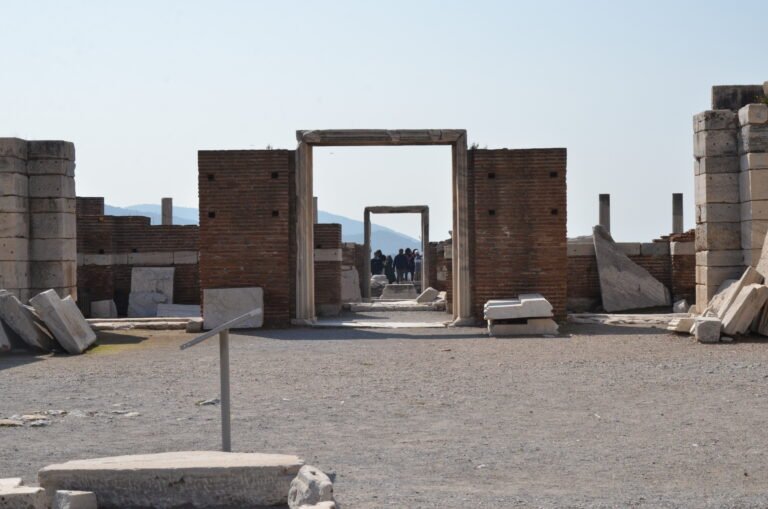
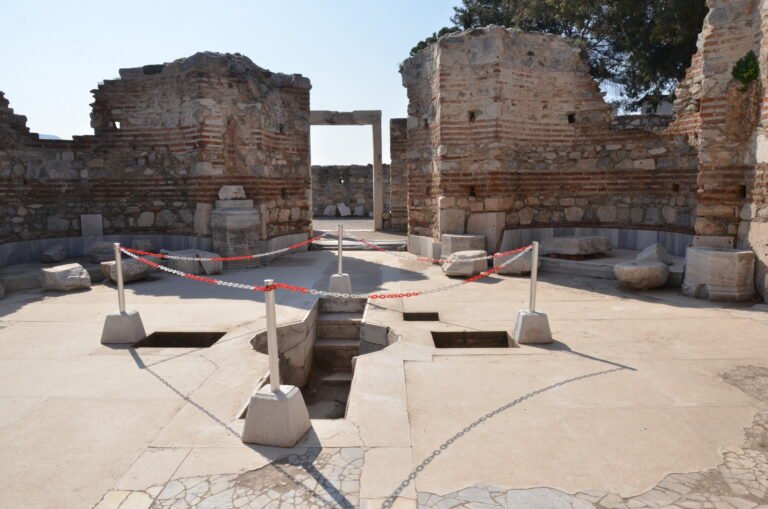
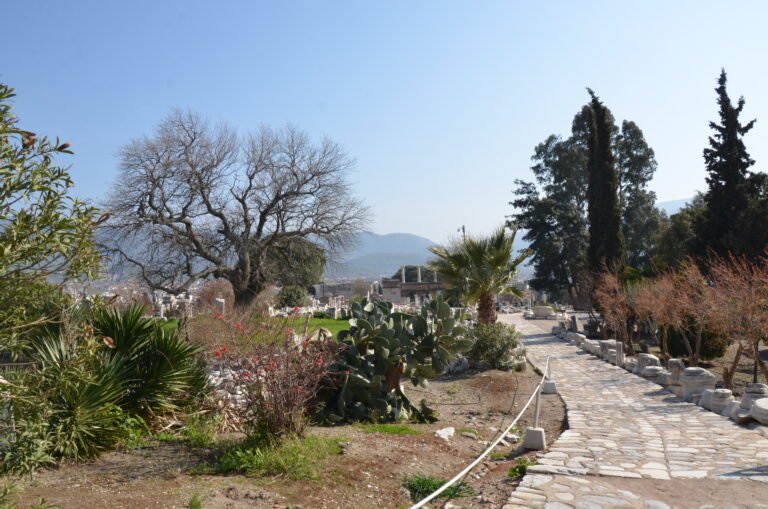
Visitors can still explore remains of the baptistery, chapels, gateways, and large courtyard areas that once formed part of this important religious complex.
Why Visit the Basilica of St. John
The Basilica of St. John offers visitors a unique opportunity to experience one of the most important pilgrimage sites of early Christianity while also exploring the Byzantine history of Ephesus and Selcuk.
Unlike the busy marble streets of Ephesus Ancient City, the basilica provides a quieter and more spiritual atmosphere with panoramic views over the surrounding region.
The site is commonly combined with:
during the same day itinerary.
Plan Your Visit
The Basilica of St. John is located on Ayasuluk Hill in Selcuk, only a few minutes from Isa Bey Mosque and the Temple of Artemis. The site can easily be reached on foot from Selcuk town center.
Entrance fees apply, and Museum Pass Turkey is generally accepted. Visiting hours may vary seasonally.
Spring and autumn are considered the best seasons to visit thanks to the comfortable temperatures and clear panoramic views.
Gallery