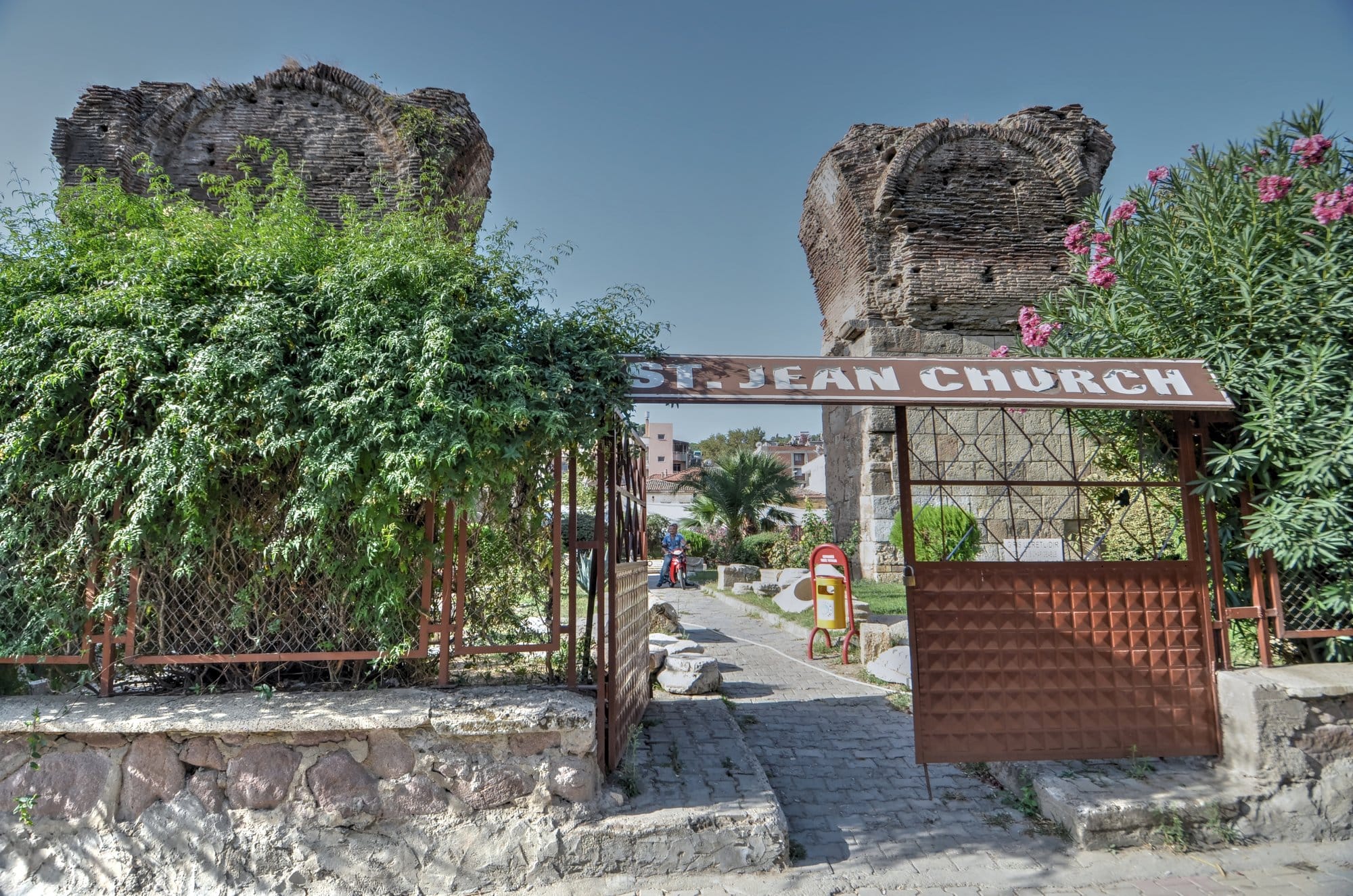
Philadelphia Ancient City
About Philadelphia Ancient City
Located in modern-day Alasehir in western Turkey, Philadelphia Ancient City was one of the important cities of ancient Lydia and later became widely known as one of the Seven Churches of Revelation mentioned in the New Testament.
Although smaller than major ancient cities such as Ephesus, Smyrna, or Sardis, Philadelphia occupied an important strategic position connecting the inner regions of Anatolia with the Aegean coast. The city developed as a center of trade, early Christianity, viticulture, and regional communication throughout antiquity.
Today, the remains of ancient Philadelphia can still be seen within the modern town of Alasehir, offering visitors a quieter but historically meaningful archaeological and biblical destination in western Turkey.
The History of Philadelphia Ancient City
Philadelphia was founded during the Hellenistic period by the Kingdom of Pergamon, most likely during the 2nd century BC. The city was named “Philadelphia,” meaning “brotherly love,” in honor of the loyalty between the Pergamene rulers.
Because of its location near important trade routes and fertile agricultural lands, Philadelphia quickly became an active regional center.
The city later came under Roman rule and continued to prosper throughout the Roman and Byzantine periods.
Philadelphia became famous for:
- early Christianity
- vineyards and wine production
- strategic trade routes
- Byzantine fortifications
- religious history
Unlike some neighboring cities, Philadelphia survived well into the Byzantine and even late medieval periods, remaining an important Christian center long after many ancient cities had declined.
Philadelphia and Early Christianity
Philadelphia holds a special place in biblical history as one of the Seven Churches of Revelation mentioned in the New Testament.
The city appears in the Book of Revelation alongside:
- Ephesus
- Smyrna
- Pergamon
- Thyatira
- Sardis
- Laodicea
The Christian community of Philadelphia was described positively in the biblical text and became associated with perseverance and faithfulness.
Because of this connection, Philadelphia remains an important destination for travelers following the Seven Churches route across western Turkey.
What to See in Philadelphia Ancient City
Byzantine Church Ruins
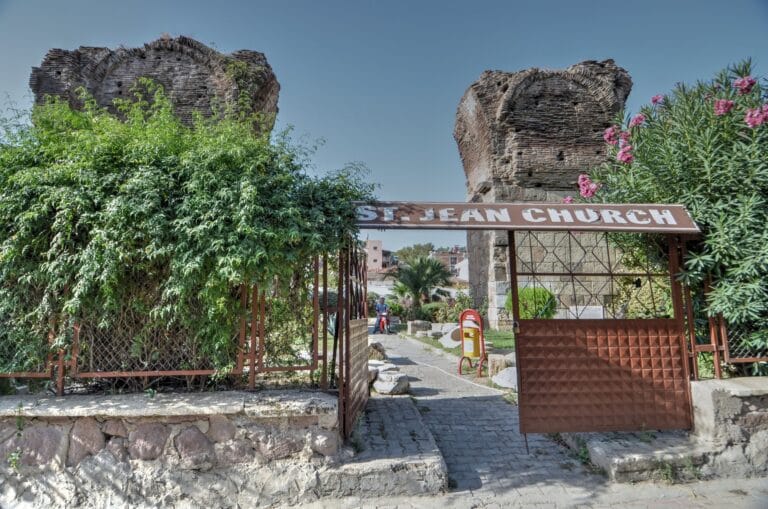
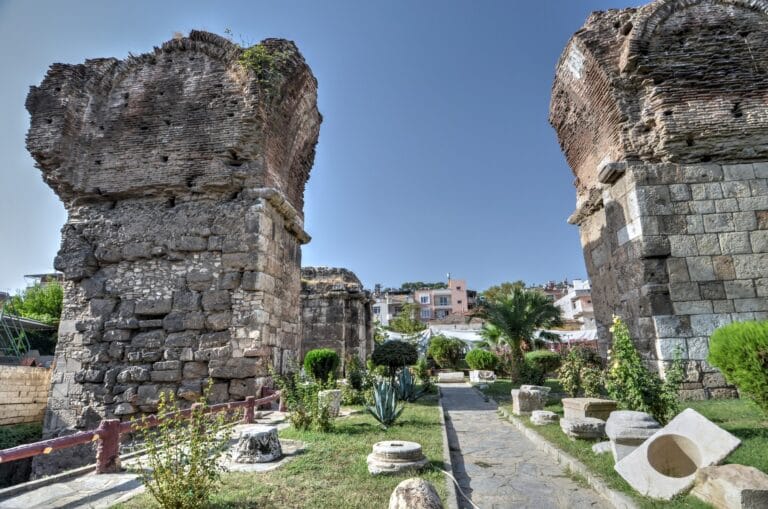
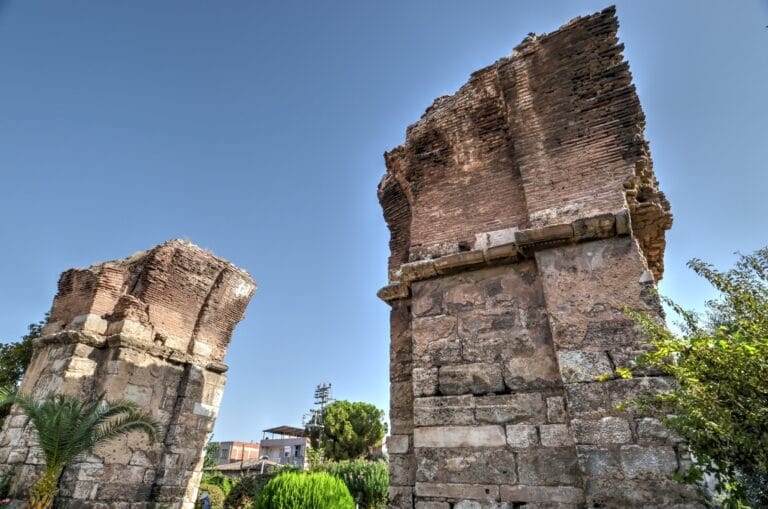
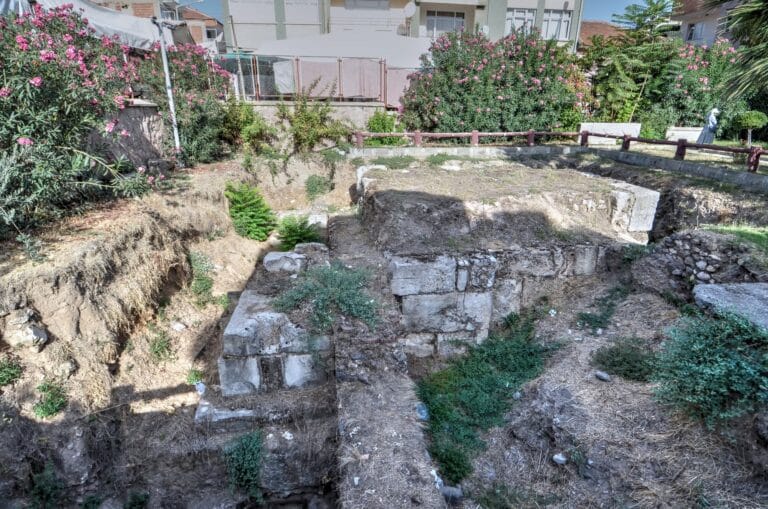
The most famous remains in Philadelphia are the brick and stone structures traditionally identified as part of an early Byzantine church complex.
Ancient City Walls
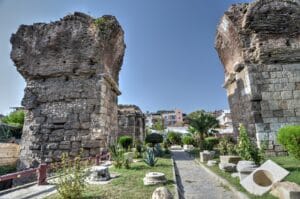
Fragments of fortifications and defensive walls connected to the Roman and Byzantine periods can still be seen throughout the modern city.
Historical Streets of Alasehir
Modern Alasehir still preserves traces of its long historical past, where Ottoman, Byzantine, and ancient layers continue to exist together.
Vineyards and Regional Landscape
The fertile lands surrounding Philadelphia have been associated with vineyards and wine production since antiquity and continue to shape the local identity today.
Why Visit Philadelphia Ancient City
Philadelphia offers a quieter and more spiritual atmosphere compared to larger archaeological sites such as Ephesus or Hierapolis.
The destination is especially recommended for travelers interested in:
- biblical history
- the Seven Churches of Revelation
- early Christianity
- Byzantine history
- lesser-known ancient cities
- cultural routes in western Turkey
Many travelers combine Philadelphia with nearby sites including Sardis, Thyatira, Smyrna, and Ephesus while following the Seven Churches itinerary across Anatolia.
Plan Your Visit
Philadelphia Ancient City is located in modern Alasehir in Manisa Province, western Turkey.
The archaeological remains are integrated into the modern town and can easily be visited during regional historical tours.
Spring and autumn are generally considered the best seasons to visit thanks to the comfortable weather conditions.
Gallery