Ephesus Museum
About Ephesus Museum
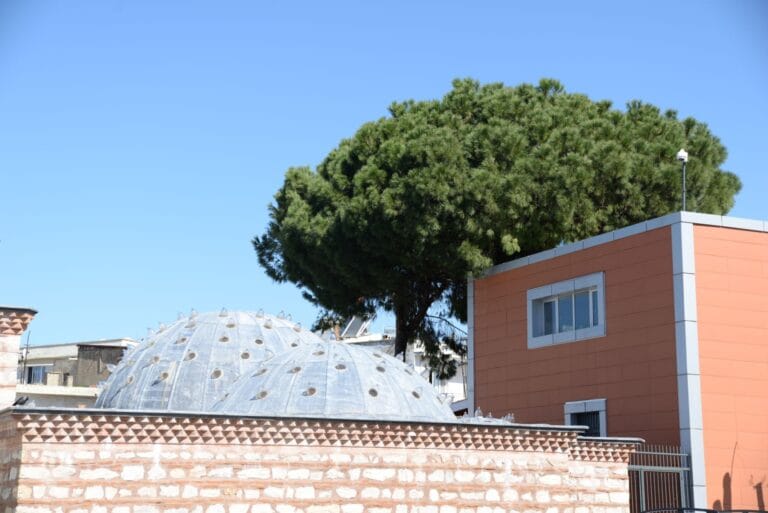
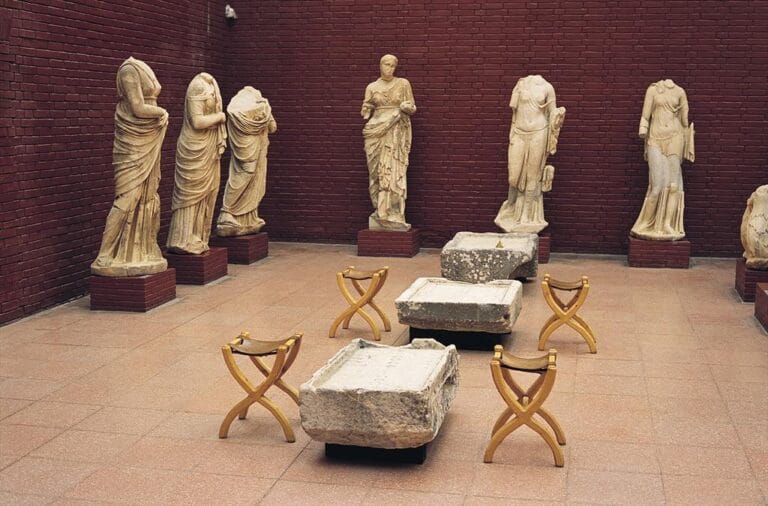
Located in the heart of Selcuk near Ephesus Ancient City, the Ephesus Museum is one of the most important archaeological museums in Turkey. Unlike many museums that display objects according to historical periods, the Ephesus Museum presents artifacts based on the places where they were discovered, allowing visitors to better understand the daily life, religion, art, and culture of ancient Ephesus.
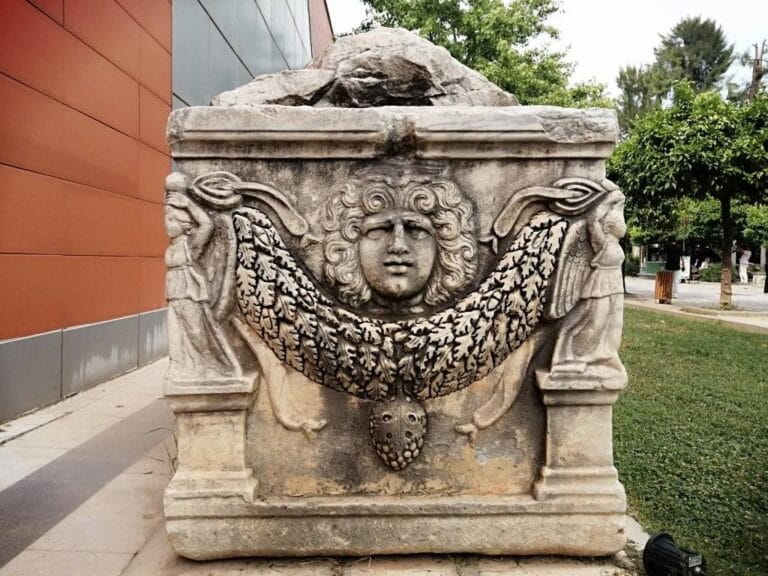
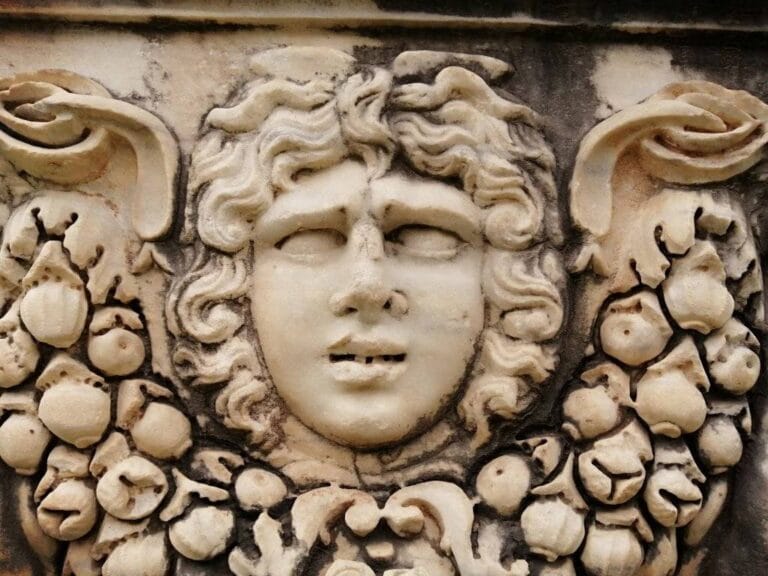
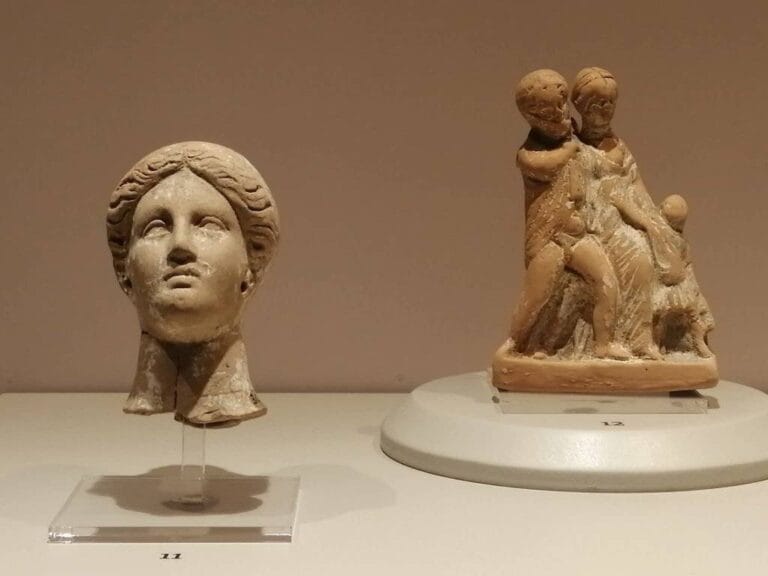
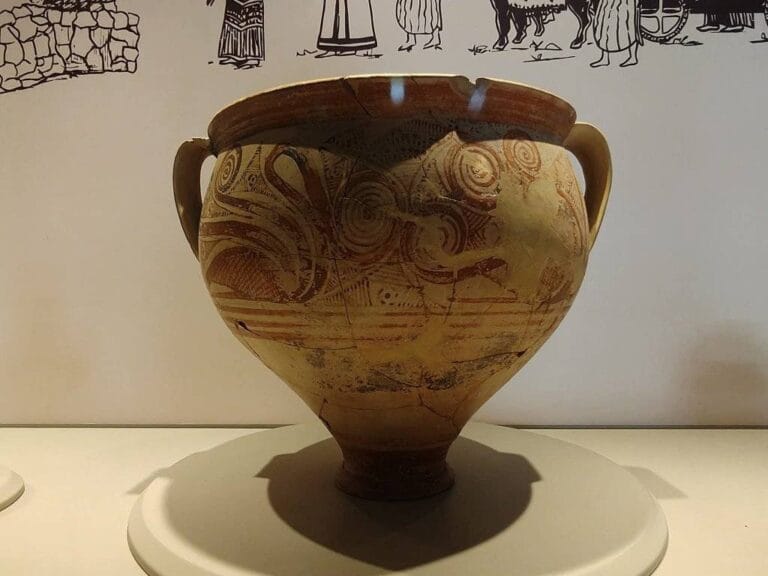
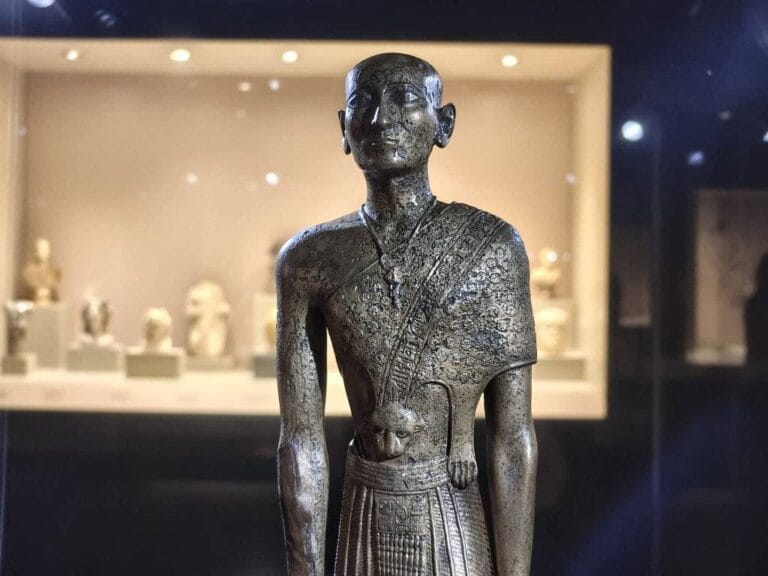
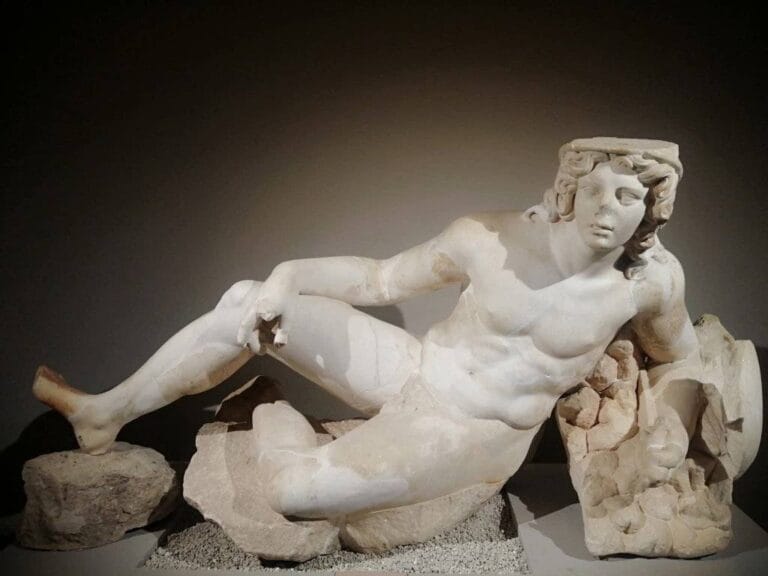
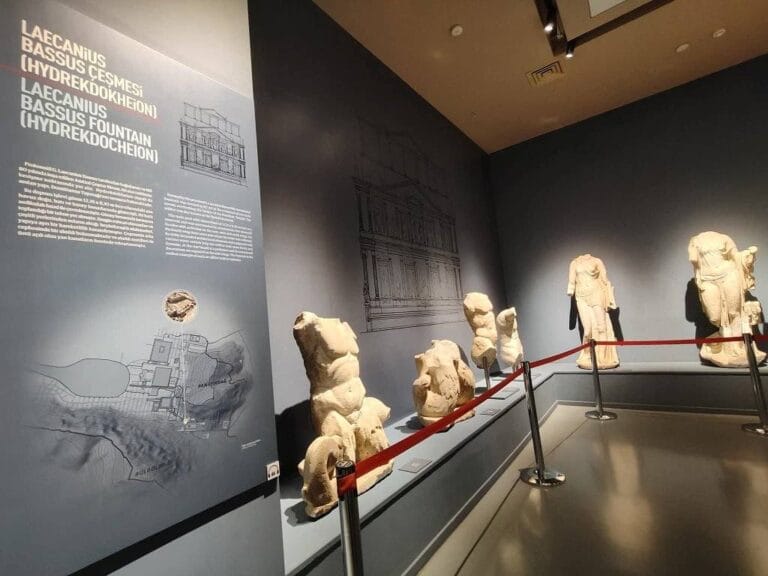
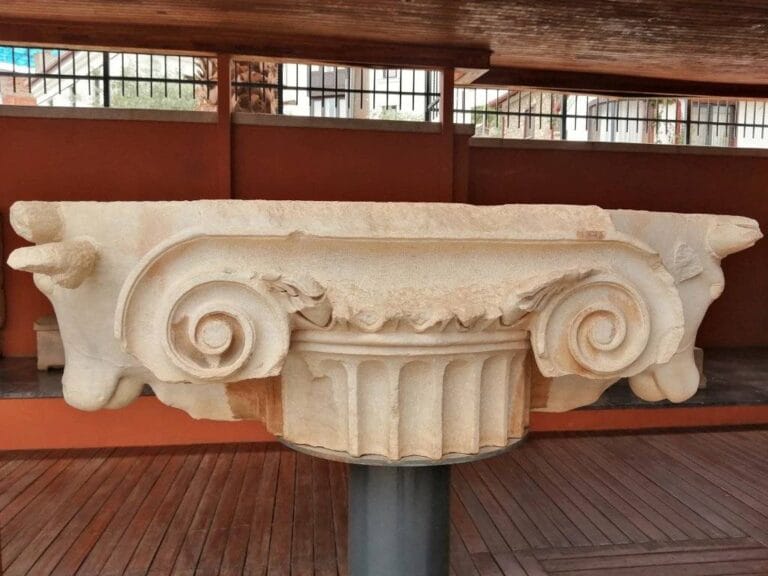
The museum contains extraordinary sculptures, mosaics, coins, frescoes, jewelry, statues, and architectural fragments recovered from Ephesus, the Terrace Houses, the Temple of Artemis, and surrounding archaeological sites.
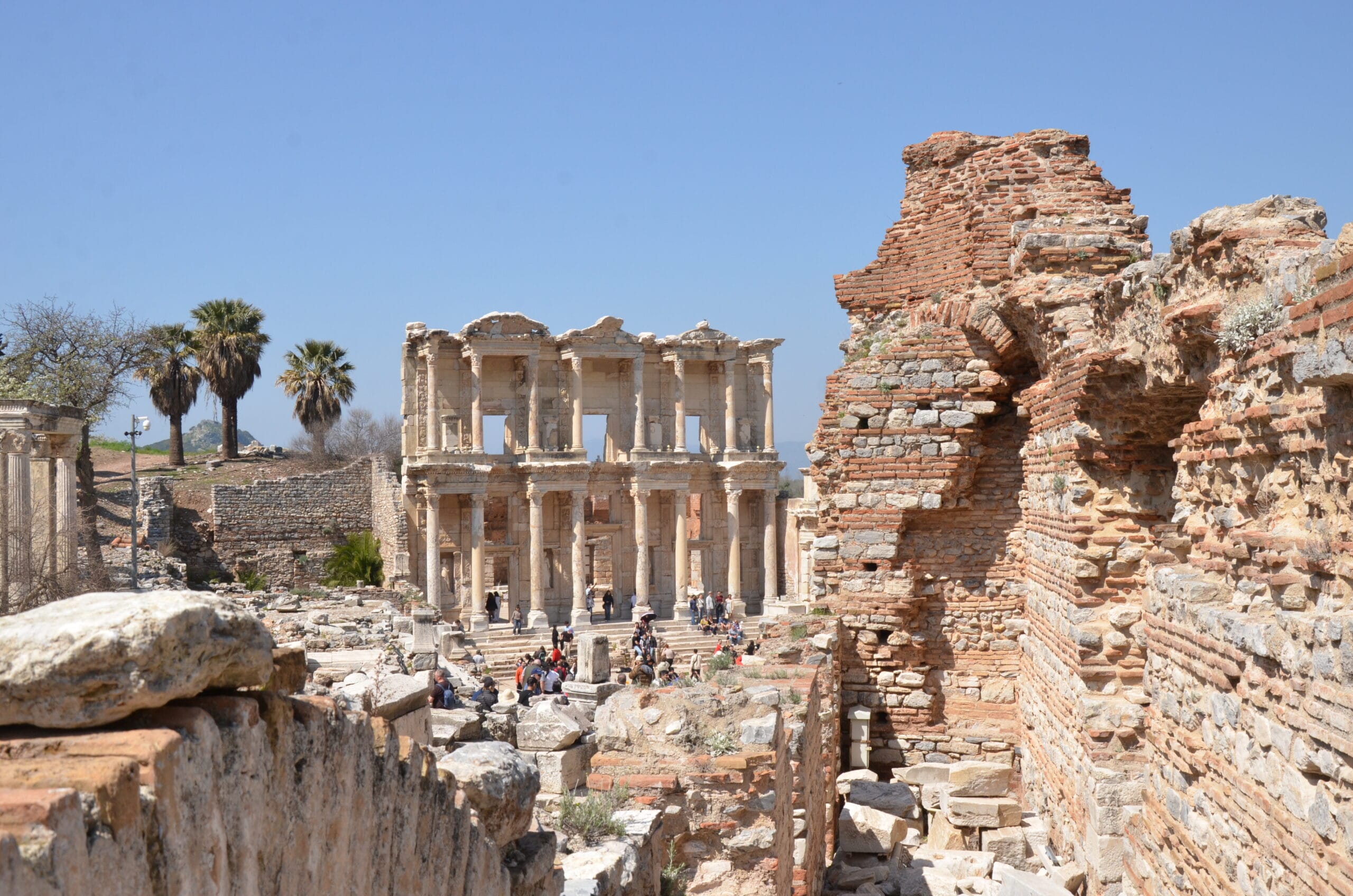
For many visitors, the Ephesus Museum provides the perfect continuation of an Ephesus Ancient City visit, helping bring the ruins and stories of the ancient city to life.
The History of the Ephesus Museum
The first archaeological collections connected to Ephesus began during the late Ottoman period as excavations in the ancient city expanded. Over time, the growing number of discoveries required a dedicated museum space in Selcuk.
The modern Ephesus Museum was later established to preserve and display the region’s extraordinary archaeological heritage. Today, it houses artifacts not only from Ephesus Ancient City but also from nearby settlements and important historical monuments in the region.
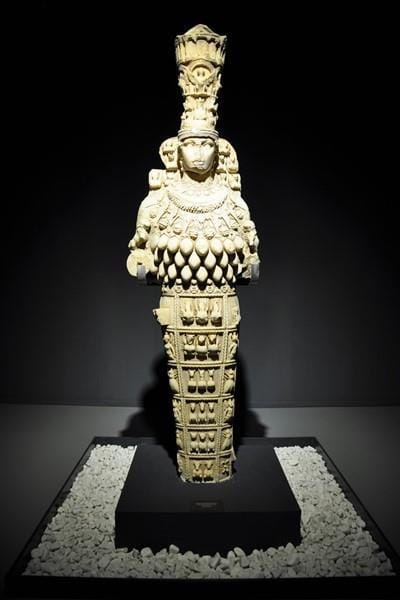
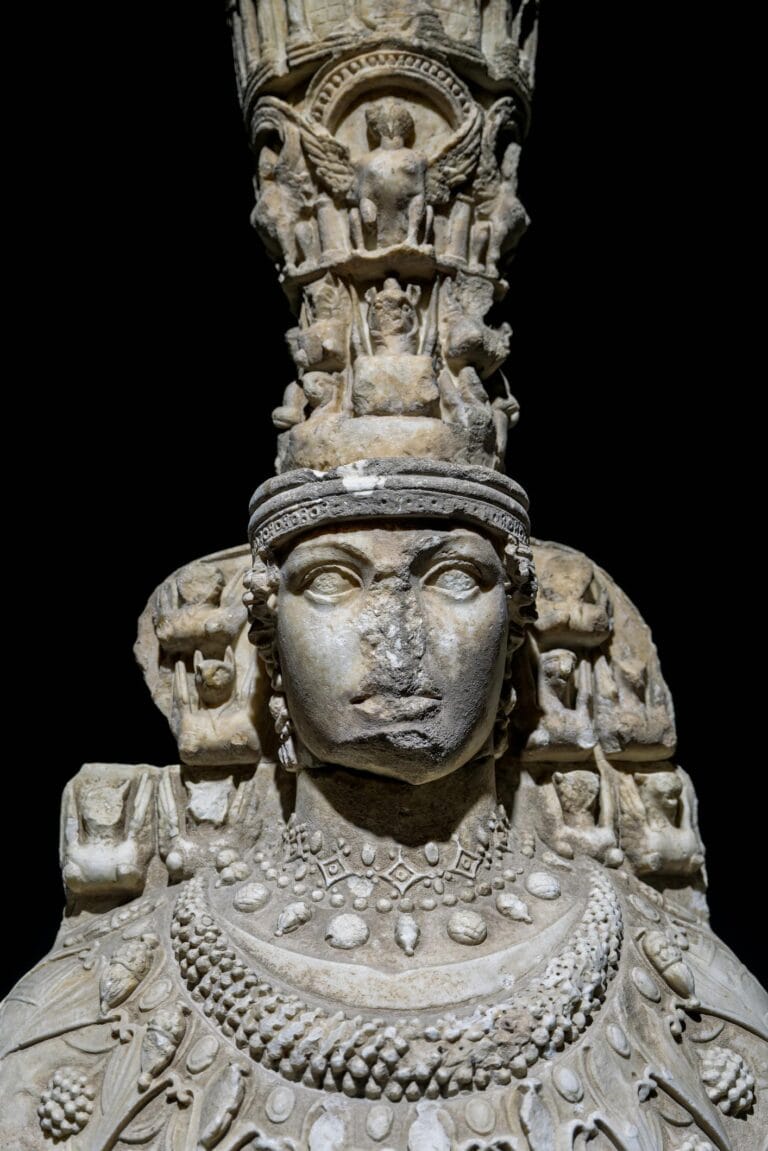
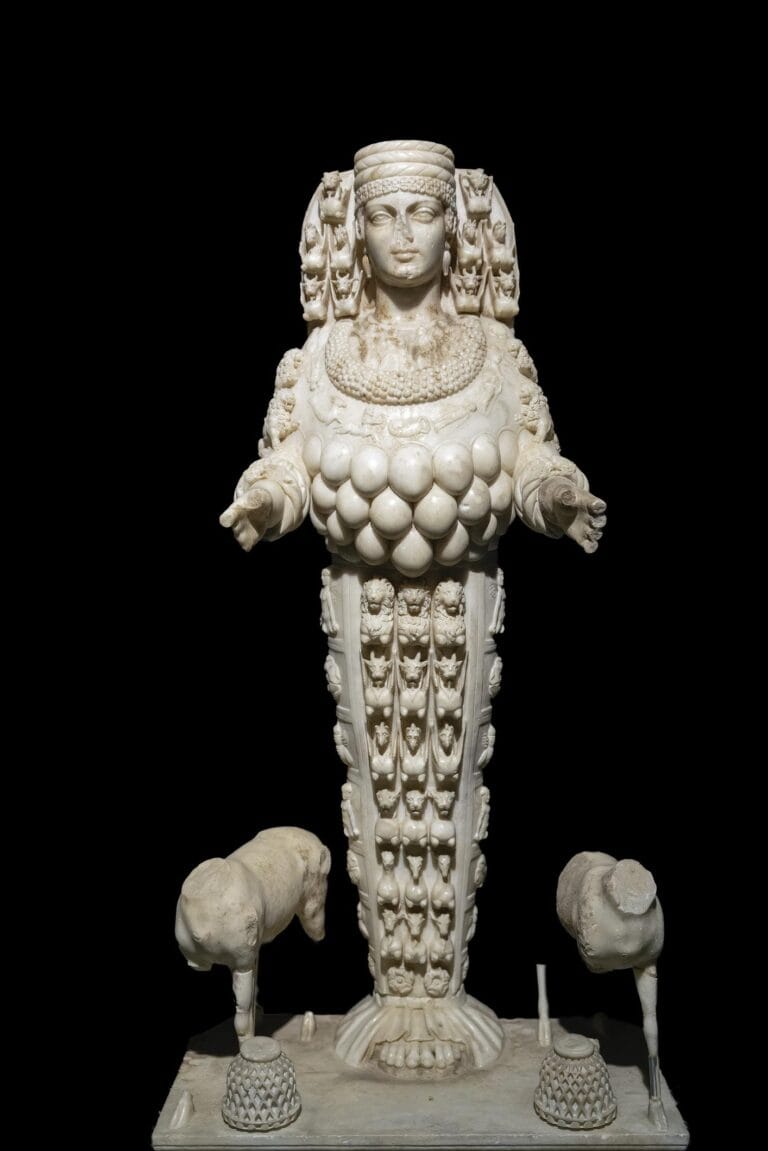
The museum is especially famous for displaying the statues of Artemis of Ephesus, considered among the most important archaeological discoveries connected to the ancient city.
What to See at the Ephesus Museum
Artemis of Ephesus Statues
The most iconic objects in the museum are the famous statues of Artemis of Ephesus discovered near the Prytaneion. These statues reflect the unique Anatolian interpretation of Artemis associated with fertility, abundance, and protection.
Terrace Houses Room
The museum displays mosaics, frescoes, household objects, and decorative elements recovered from the luxurious Terrace Houses of Ephesus.
Roman Portraits and Sculptures
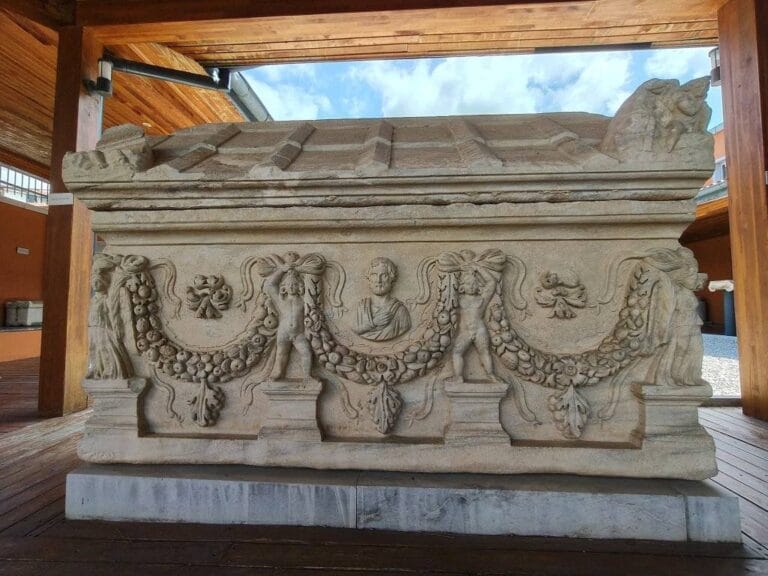
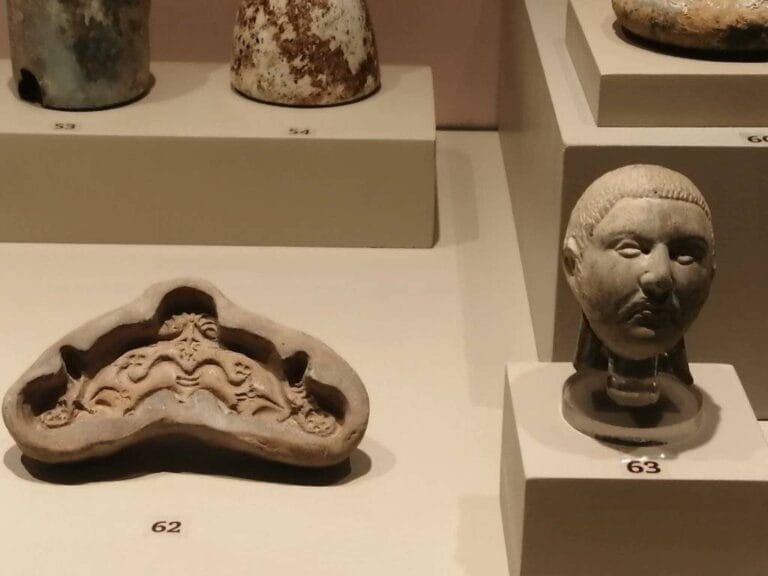
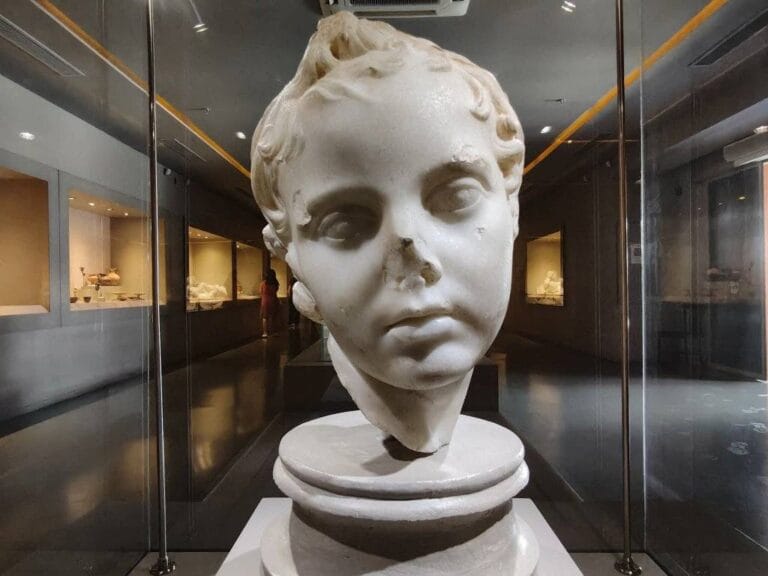
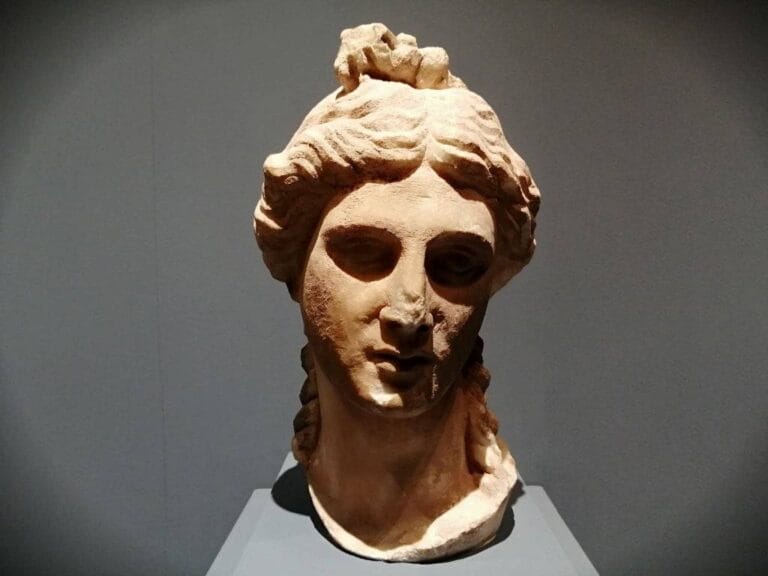
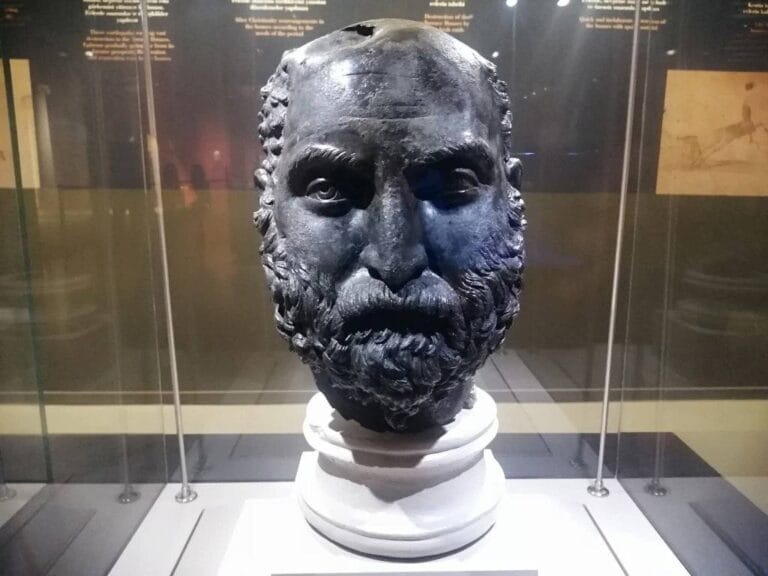
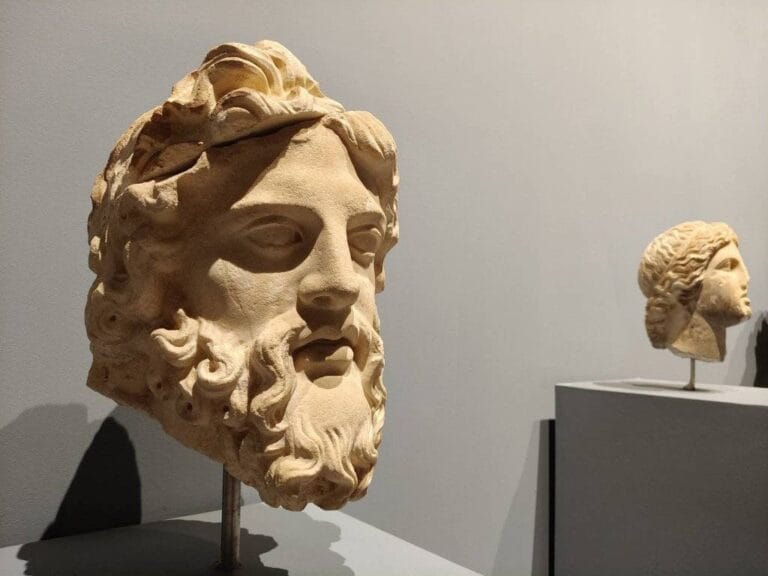
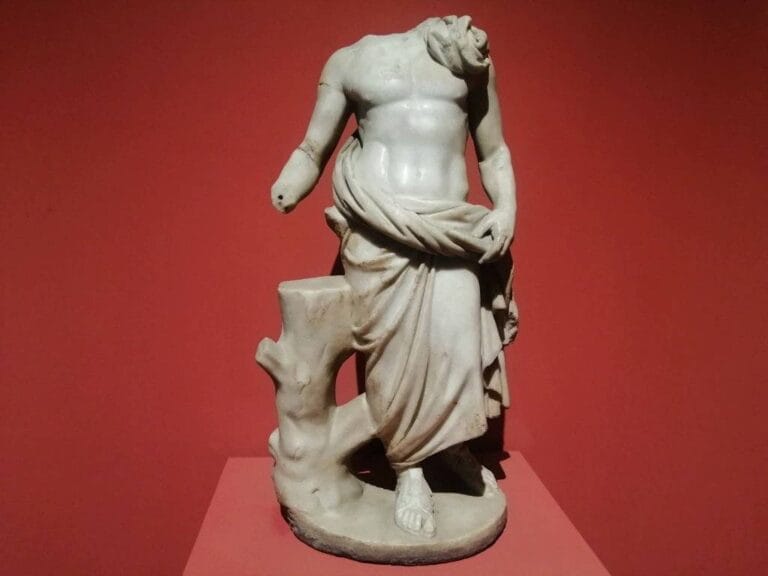
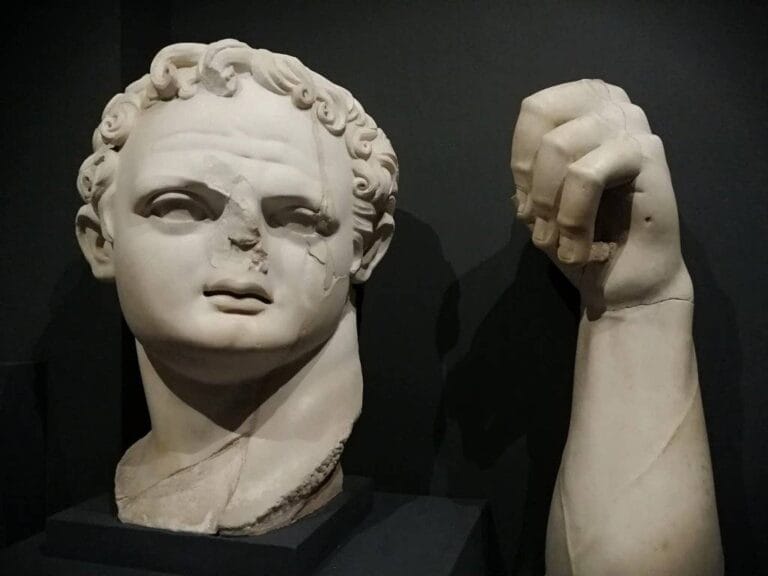
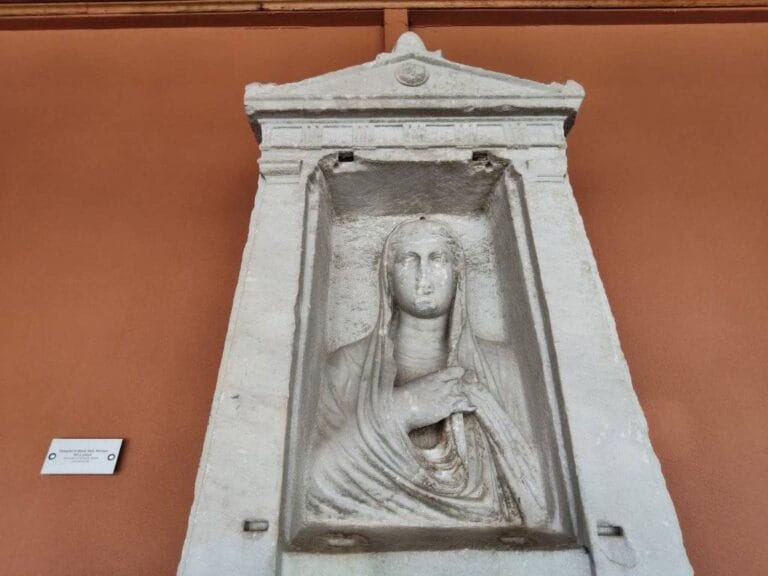
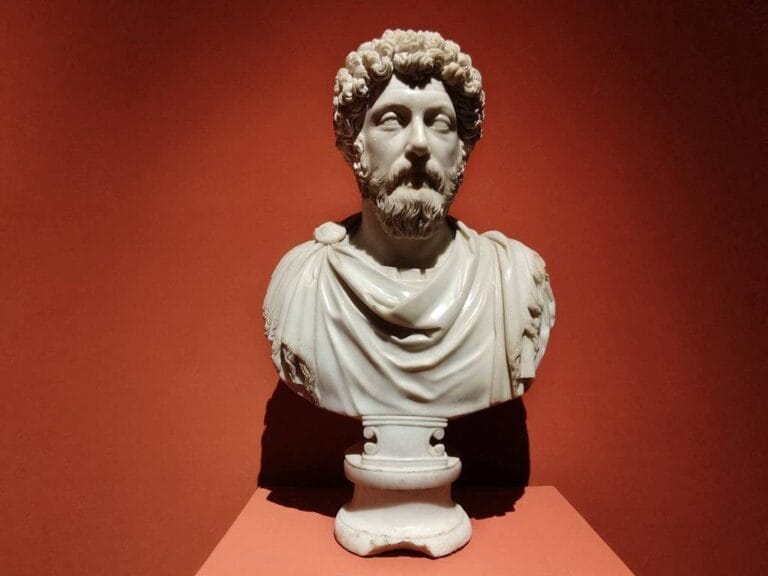
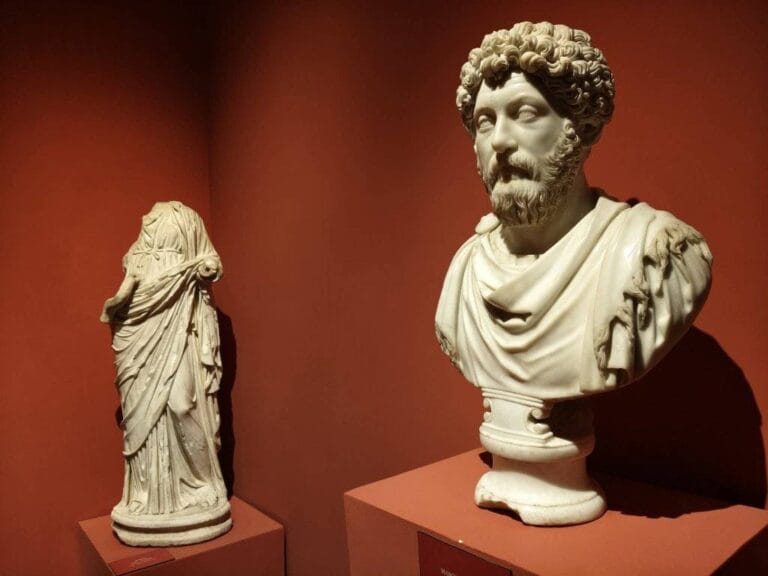
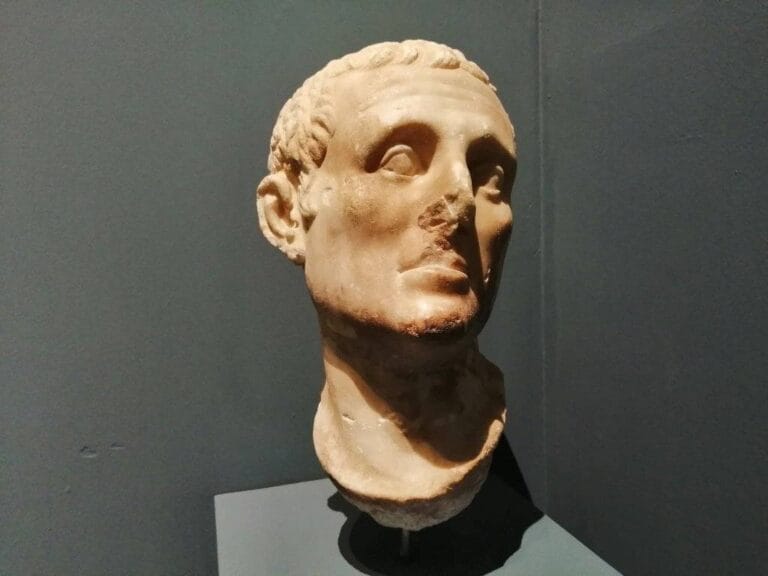
Visitors can see impressive Roman statues, portraits, and marble sculptures representing emperors, philosophers, gods, and wealthy citizens of Ephesus.
Coins, Jewelry, and Everyday Objects
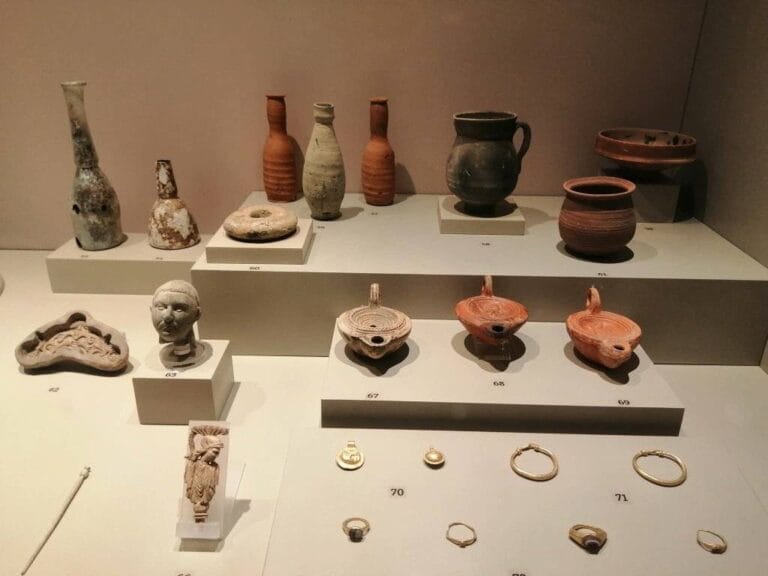
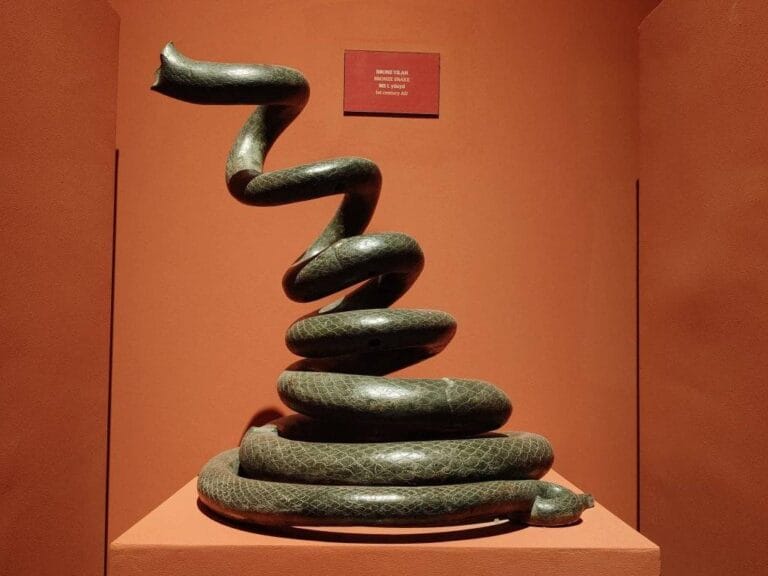
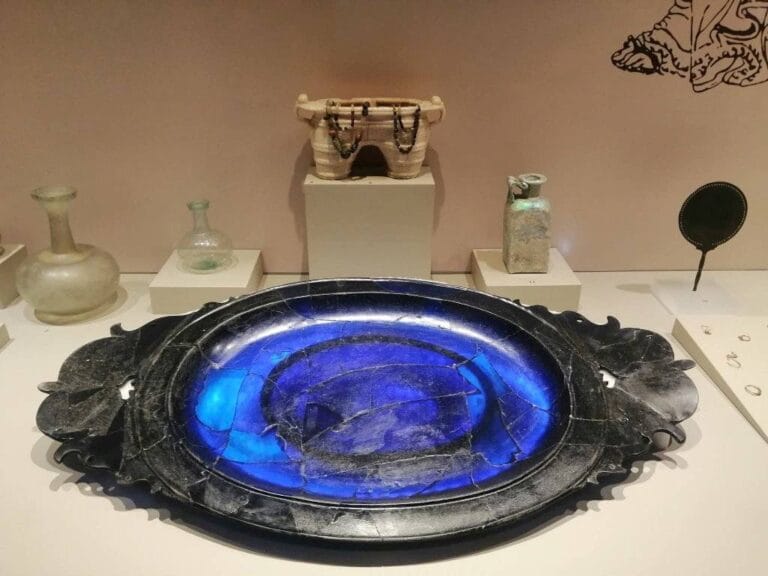
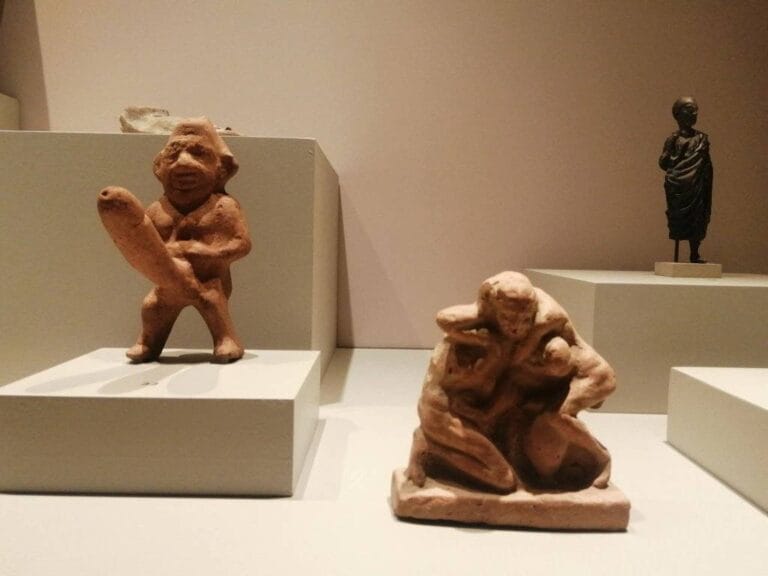
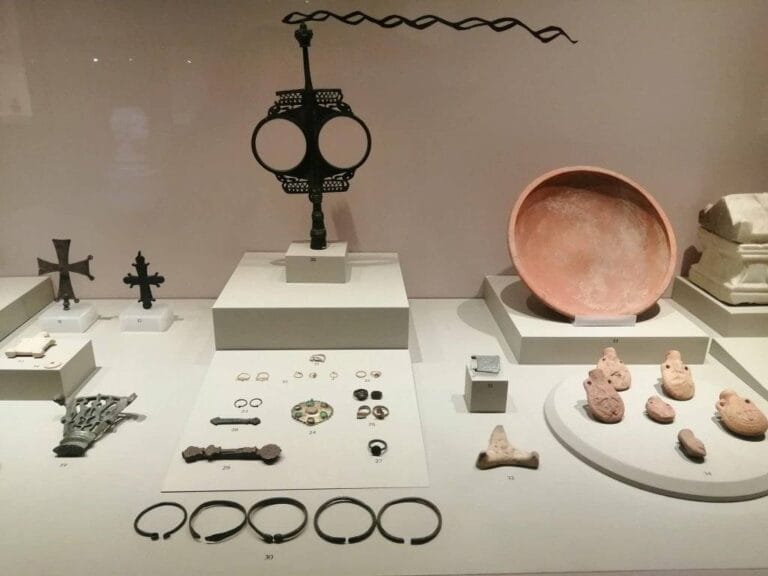
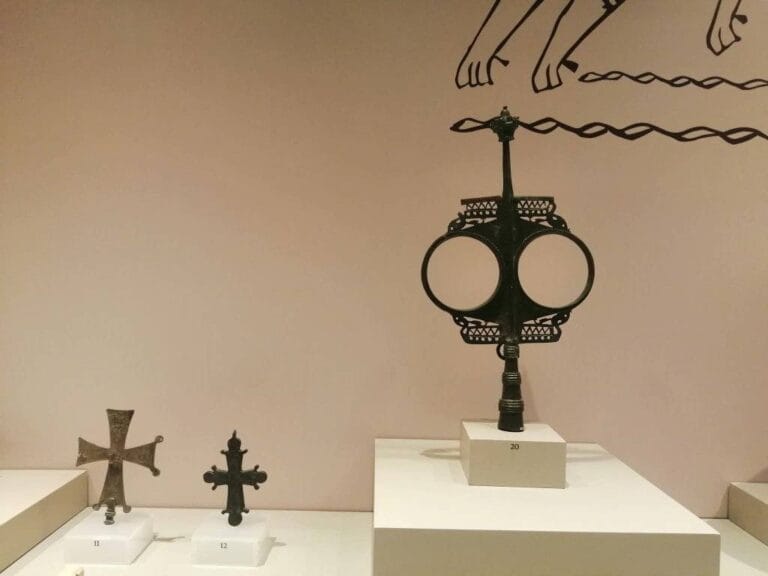
The museum also contains collections of ancient coins, jewelry, lamps, ceramics, medical instruments, and objects revealing everyday life in ancient Anatolia.
Gladiator and Mythological Artifacts
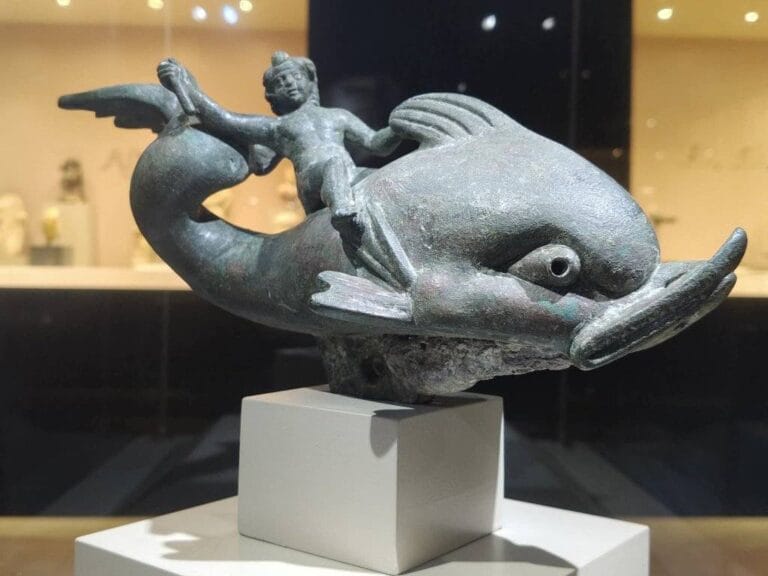
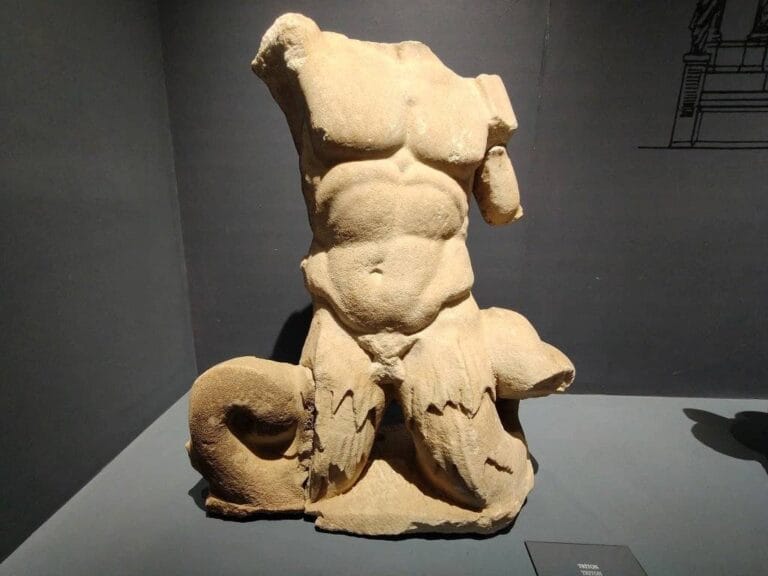
Several sections focus on mythological figures, gladiator culture, and religious practices that shaped Ephesus during Greek and Roman times.
Why Visit the Ephesus Museum
The Ephesus Museum allows visitors to see many of the original objects removed from Ephesus Ancient City for preservation. While the ruins reveal the scale of the city, the museum helps visitors understand the artistic, religious, and human side of ancient Ephesus.
For many travelers, the museum completes the Ephesus experience by connecting architecture with the artifacts once used inside the ancient city.
The museum is commonly combined with:
during the same day itinerary.
Plan Your Visit
The Ephesus Museum is located in Selcuk town center only a few minutes from the Basilica of St. John and approximately 3 kilometers from Ephesus Ancient City.
Museum Pass Turkey is generally accepted. Entrance fees and opening hours may vary seasonally.
Spring and autumn are considered the best seasons to visit due to the comfortable temperatures and lighter crowds.
Gallery